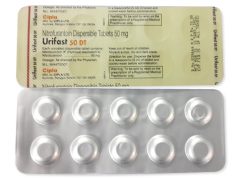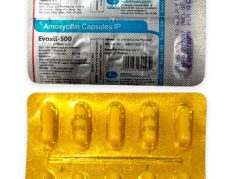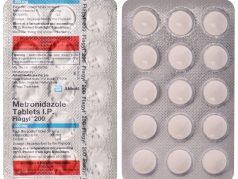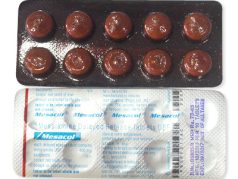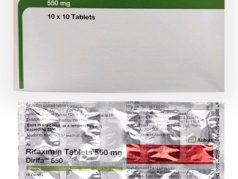
Antibacterial products are specially formulated substances designed to kill bacteria or slow their growth on surfaces and skin. These products work by disrupting bacterial cell walls, interfering with protein synthesis, or preventing bacterial reproduction. Unlike antibiotics, which are taken internally to treat infections, many antibacterials are applied topically to reduce bacterial contamination. They're essential for maintaining hygiene and preventing the spread of infectious bacteria in both household and medical settings.
Antibacterials contain active ingredients that target harmful microorganisms. Common active ingredients include triclosan, triclocarban, and benzalkonium chloride. These ingredients have been used for decades in various consumer products. The effectiveness of an antibacterial product depends on its active ingredient concentration, contact time with bacteria, and the type of bacteria being targeted. Different formulations serve different purposes, from hand soaps to wound care products.
Understanding how antibacterials function helps consumers use them effectively. When applied to skin or surfaces, antibacterials penetrate bacterial cell membranes and cause cellular damage. Some work by denaturing proteins essential for bacterial survival, whilst others disrupt metabolic processes. The speed of action varies between products, with some killing bacteria within seconds whilst others require longer contact times. Proper application and adequate contact time ensure maximum effectiveness in reducing bacterial load.
Australia's pharmacy shelves offer a diverse range of antibacterial products designed for various needs and applications. Antibacterial soaps and hand washes remain popular choices for everyday hygiene, offering convenient protection during routine activities. These products combine cleansing agents with antibacterial ingredients to remove dirt and bacteria simultaneously. Brands like Dettol, Savlon, and QV offer trusted options that Australians have relied on for years.
Antibacterial creams and ointments provide targeted treatment for minor cuts, grazes, and wounds. Products such as Bepanthen, Sudocrem, and Betadine antiseptic ointment create protective barriers whilst fighting bacterial infection. These formulations are particularly useful for preventing infection in small wounds before they become serious problems. They're commonly found in bathroom cabinets across Australian homes as essential first-aid items.
Antibacterial gels and hand sanitisers have become increasingly important in modern hygiene practices. Brands like Purell and Microshield offer portable solutions for situations where handwashing isn't immediately available. These alcohol-based products provide rapid bacterial reduction and are ideal for travel, workplaces, and public spaces. During recent years, these products have become staple items in many Australian households and workplaces.
Antibacterial sprays and surface disinfectants help maintain clean, bacteria-free environments in homes and commercial spaces. Products like Lysol and Glen 20 are designed specifically for hard surfaces, fabrics, and air sanitisation. These spray formulations offer convenience and effectiveness in controlling bacterial growth on frequently touched surfaces. They're particularly valuable in kitchens, bathrooms, and areas where hygiene is paramount.
Antibacterials serve numerous practical purposes in daily life and healthcare settings. The most common application is preventing bacterial contamination on hands, which remain primary transmission routes for infectious organisms. Regular handwashing with antibacterial soap provides effective protection against common pathogens, particularly before eating or after using bathrooms. This simple practice significantly reduces illness transmission within families and communities.
Wound care represents another critical application of antibacterial products. Minor cuts, scrapes, and burns benefit from antibacterial ointments that prevent bacterial colonisation during the healing process. Applying antibacterial cream to cleaned wounds creates an optimal environment for natural healing whilst reducing infection risk. This preventative approach saves many Australians from developing serious complications from minor injuries.
Kitchen and bathroom hygiene depends heavily on antibacterial products. Surfaces in these areas harbour numerous bacteria that can cause foodborne illness or cross-contamination. Regular use of antibacterial sprays and wipes keeps these high-risk areas clean and safe. Food preparation surfaces, in particular, benefit from antibacterial treatment to prevent pathogenic bacteria like salmonella and listeria.
Personal hygiene routines incorporate antibacterials in various forms. Antibacterial soaps used during daily bathing help maintain skin health and reduce bacterial populations. Some people use antibacterial products more frequently during illness outbreaks or when immune systems are compromised. Athletes and active individuals often use antibacterial products to prevent skin infections from minor abrasions sustained during physical activity.
Selecting appropriate antibacterial products depends on intended use and individual circumstances. For hand hygiene, consider whether you need a daily soap, a portable sanitiser, or both. Those with sensitive skin might prefer gentler formulations from brands like QV or Cetaphil that combine antibacterial properties with skin-friendly ingredients. Regular consumers should balance effectiveness with skin tolerance, as excessive use of harsh products can damage skin barriers.
For wound care, choose products appropriate to injury severity and location. Minor cuts benefit from simple antibacterial ointments, whilst more serious wounds might require prescription-strength formulations. Brands like Savlon offer multipurpose solutions suitable for general home use, whilst specialised products address specific concerns. Reading product labels helps identify formulations suited to your particular needs.
Consider your lifestyle when choosing antibacterial products:
Environmental and health considerations influence many Australians' product choices. Some prefer antibacterials derived from natural sources, whilst others seek products with minimal environmental impact. Triclosan, traditionally common in antibacterial products, has faced scrutiny regarding environmental effects and effectiveness compared to regular soap. Modern formulations often use alternative active ingredients considered safer for regular household use.
Using antibacterial products safely ensures maximum benefit whilst minimising potential risks. Always follow product instructions regarding dilution, contact time, and frequency of application. Overuse of antibacterials doesn't improve effectiveness and may contribute to bacterial resistance development. Standard recommendations suggest using antibacterial products when necessary rather than continuously throughout the day.
Proper handwashing technique maximises antibacterial product effectiveness. Wet hands thoroughly, apply appropriate soap quantity, and wash for at least twenty seconds, ensuring coverage of palms, backs, and between fingers. Rinsing completely removes bacteria and product residue. This technique, combined with antibacterial formulations, provides optimal protection against bacterial transmission. Hand sanitisers work best on visibly clean hands and shouldn't replace handwashing when hands are dirty or greasy.
Keep antibacterial products away from eyes and mouth, as many formulations can cause irritation if ingested or absorbed through mucous membranes. Store products in cool, dry places away from children and pets. Some antibacterial products, particularly concentrated formulations, require careful handling and may need dilution before use. Reading safety information and following storage instructions prevents accidental misuse and maintains product effectiveness.
Monitor for signs of skin irritation or allergic reactions when using new antibacterial products. Discontinue use if redness, itching, or rash develops. Some individuals experience sensitivity to specific active ingredients, making product switching necessary. Consulting healthcare providers helps identify suitable alternatives for those experiencing adverse reactions. Pregnant women should discuss antibacterial product use with their healthcare provider to ensure safety for themselves and developing babies.
Understanding bacterial resistance represents an important consideration for responsible antibacterial use. Overuse of antibacterials can contribute to resistance development, reducing product effectiveness over time. This concern has prompted health authorities worldwide to promote judicious antibacterial use. Using these products only when necessary helps preserve their effectiveness for future generations.
The distinction between antibacterial and antibiotic resistance differs significantly. Antibacterial resistance develops when bacteria adapt to survive antibacterial exposure, though this occurs more slowly with surface antibacterials than with systemic antibiotics. Regular soap and water effectively removes bacteria through mechanical action, making it equally important as antibacterial products in many situations. Health experts increasingly recommend combining good hygiene practices with targeted antibacterial use rather than relying exclusively on antibacterial products.
Recent research continues exploring optimal antibacterial strategies balancing effectiveness with resistance concerns. Rotating between different antibacterial products and taking breaks from continuous use helps prevent resistance development. Combining antibacterials with physical cleaning methods, like wiping surfaces with cloths, enhances overall effectiveness. This integrated approach maintains product utility whilst reducing resistance risk.
Australian health authorities provide guidance on appropriate antibacterial use in household and healthcare settings. Their recommendations emphasise using antibacterials purposefully rather than routinely. During illness outbreaks or when caring for vulnerable individuals, increased antibacterial use becomes justified. Regular use for general hygiene purposes can typically be achieved through standard soap and water combined with occasional antibacterial products for high-risk situations. Following these guidelines protects both individual and public health whilst preserving antibacterial product effectiveness.