High blood pressure, or hypertension, occurs when the force of blood pushing against artery walls is consistently too high. This condition affects millions of Australians and is often called a silent killer because many people don't realise they have it. Blood pressure readings consist of two numbers: systolic pressure (the top number) and diastolic pressure (the bottom number). A reading of 140/90 mmHg or higher is generally considered high blood pressure.
Hypertension can develop gradually over many years without noticeable symptoms. Some people may experience headaches, shortness of breath, or nosebleeds, but many have no symptoms at all. Regular blood pressure monitoring is essential for early detection and management. Risk factors include age, family history, obesity, stress, excessive alcohol consumption, and a diet high in salt. Understanding these risk factors helps in both prevention and treatment of the condition.
The consequences of untreated hypertension are serious and can lead to heart disease, stroke, kidney damage, and other complications. Managing blood pressure effectively through lifestyle changes and medication when necessary can significantly reduce these risks and improve overall health outcomes.
Before or alongside medication, lifestyle changes play a crucial role in managing hypertension. The DASH diet, which emphasises fruits, vegetables, whole grains, and lean proteins, has proven effective in lowering blood pressure. Reducing sodium intake to less than 2,300 mg per day, or ideally 1,500 mg, can make a substantial difference for many people.
Regular physical activity is another cornerstone of blood pressure management. Australians are encouraged to engage in at least 150 minutes of moderate-intensity aerobic activity per week, combined with resistance training. Walking, swimming, cycling, and jogging are all excellent options that can help lower blood pressure naturally.
Weight management is equally important, as excess weight increases the strain on the cardiovascular system. Limiting alcohol consumption to recommended levels—no more than two standard drinks per day for men and one for women—also contributes to better blood pressure control. Stress reduction techniques such as meditation, yoga, and deep breathing exercises can help manage hypertension effectively.
Quality sleep is often overlooked but essential for blood pressure regulation. Aiming for seven to nine hours of sleep per night supports overall cardiovascular health. Quitting smoking is particularly important, as smoking damages blood vessels and increases blood pressure. These lifestyle modifications can sometimes lower blood pressure enough to avoid medication or reduce the doses required.
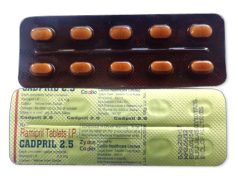
Several classes of medications are available in Australia for managing high blood pressure. ACE inhibitors are commonly prescribed and work by relaxing blood vessels. Medications in this category include lisinopril, enalapril, and ramipril. They're often recommended for patients with diabetes or heart disease.
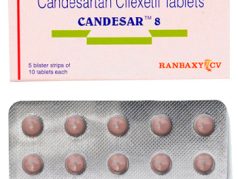
Angiotensin II receptor blockers (ARBs) function similarly to ACE inhibitors and include losartan, valsartan, and irbesartan. These are well-tolerated options for many patients who need to lower their blood pressure effectively.
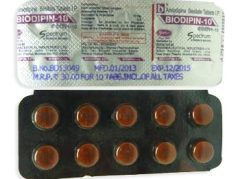
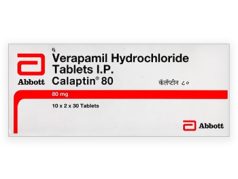
Calcium channel blockers such as amlodipine, diltiazem, and verapamil are another popular choice. Amlodipine is particularly common in Australia due to its effectiveness and once-daily dosing. Beta-blockers like atenolol, metoprolol, and bisoprolol slow heart rate and reduce the force of heart contractions, making them suitable for patients with additional heart conditions.
Diuretics, including hydrochlorothiazide and chlorthalidone, work by removing excess sodium and water from the body. Thiazide diuretics are often used as first-line treatment in Australia. Alpha-blockers and central-acting agents are less commonly used but may be prescribed in specific situations.
Many patients benefit from combination therapy, where two or more medications are used together for better control. The following medication combinations are commonly available in Australia:
Your doctor will recommend the most appropriate medication based on your individual health profile, other medical conditions, and how well you tolerate specific drugs.
Regular monitoring is essential for managing hypertension effectively. Home blood pressure monitoring allows patients to track their readings regularly and identify patterns. Digital blood pressure monitors are affordable and easy to use at home. It's recommended to check blood pressure at the same time each day, preferably in the morning before taking medication.
Keeping a blood pressure diary helps you and your healthcare provider understand how well your current treatment plan is working. This information is valuable during medical appointments and may lead to adjustments in medication or lifestyle recommendations. Some modern devices can automatically record and store readings, making tracking easier.
Professional monitoring through regular GP visits remains important for comprehensive blood pressure management. Your doctor may adjust medications based on home readings and clinic measurements. Annual health checks should include blood pressure screening, and those with hypertension may need more frequent check-ups.
Target blood pressure goals vary depending on individual circumstances. Most people aim for less than 140/90 mmHg, though those with diabetes or kidney disease may have different targets. Achieving and maintaining these goals reduces the risk of serious complications significantly.
Pregnant women with hypertension require special consideration and management. Gestational hypertension can develop during pregnancy and needs careful monitoring to protect both mother and baby. Certain medications are safe during pregnancy, whilst others must be avoided. Close collaboration with healthcare providers is essential.
Older adults often develop hypertension and may require different treatment approaches. Age-related changes in medication metabolism mean that lower doses might be more appropriate. Older people may also be taking multiple medications, increasing the risk of interactions that healthcare providers must carefully manage.
Younger people with hypertension may have secondary causes that need investigation. Kidney disease, hormonal disorders, or other conditions might be responsible. Identifying and treating underlying causes can sometimes resolve hypertension completely. Lifestyle modifications are particularly important for younger patients to prevent long-term complications.
People with diabetes and hypertension face increased cardiovascular risk and benefit from more aggressive blood pressure control. ACE inhibitors and ARBs are particularly beneficial for this group. Regular monitoring of blood sugar, blood pressure, and kidney function is crucial for optimal management.
Certain symptoms warrant immediate medical attention. Severe headaches accompanied by chest pain, shortness of breath, or vision changes suggest dangerously high blood pressure requiring emergency care. These hypertensive crises can cause permanent organ damage if not treated promptly.
Schedule a GP appointment if you experience symptoms like persistent headaches, fatigue, or difficulty concentrating, as these might indicate uncontrolled hypertension. New or worsening symptoms despite taking medication should always be reported to your doctor.
Regular check-ups are important even without symptoms. Annual blood pressure screening helps catch hypertension early before complications develop. If you have a family history of hypertension or heart disease, screening should start even earlier.
Contact your healthcare provider if you experience side effects from blood pressure medication. Many alternatives are available, and your doctor can often find a medication that works better for you. Never stop taking prescribed medication without professional advice, as this can lead to dangerous blood pressure spikes.