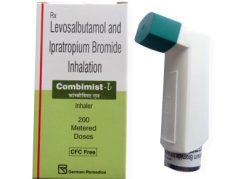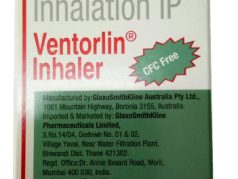
Asthma is a chronic respiratory condition that affects the airways in your lungs, making breathing difficult. The condition causes inflammation and narrowing of the airways, which can lead to symptoms like wheezing, coughing, chest tightness, and shortness of breath. These symptoms can range from mild to severe and may occur occasionally or regularly depending on the individual. Many Australians live with asthma, and it's important to understand that with proper management and medication, most people can control their condition effectively and maintain an active lifestyle.
The triggers for asthma vary from person to person and may include allergens like pollen or dust mites, respiratory infections, exercise, cold air, or stress. Understanding your personal triggers is essential for managing your condition successfully. By identifying what sets off your symptoms, you can take proactive steps to avoid these triggers and keep your asthma under control.
There are two main types of asthma medications available in Australia: relievers and preventers. Each plays a distinct role in managing your asthma effectively.
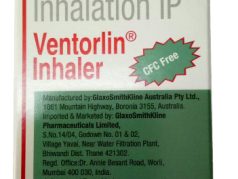
Relievers, also known as rescue inhalers, provide quick relief during an asthma attack by relaxing the muscles around the airways. Common reliever medications include salbutamol (Ventolin) and terbutaline. These blue-coloured inhalers work within minutes and are essential for anyone with asthma to keep on hand at all times. When you experience sudden symptoms like wheezing or shortness of breath, a reliever inhaler can provide rapid symptom relief and help you breathe more easily.
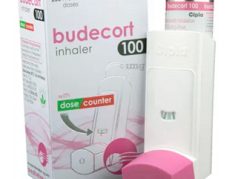
Preventer medications, on the other hand, are used daily to reduce inflammation and prevent symptoms from occurring in the first place. These include inhaled corticosteroids like fluticasone (Flovent) and beclomethasone, as well as combination inhalers that contain both corticosteroids and long-acting bronchodilators. Your healthcare provider will determine which medications are right for your specific situation. Taking preventer medications regularly, even when you feel well, is crucial for maintaining good asthma control and preventing emergency situations.
Several well-known asthma medications are readily available at Australian pharmacies. Your pharmacist or doctor can help you find the most suitable medication for your needs and ensure you're using it correctly.
Effective asthma management involves more than just taking medication. A comprehensive approach to your health will help you maintain better control of your condition.
Keeping a diary of your symptoms and triggers can help you and your healthcare provider understand patterns and make better treatment decisions. Note when symptoms occur, what you were doing, and environmental factors that might have contributed. This information is invaluable for developing an effective management strategy tailored to your specific needs.
It's important to maintain good indoor air quality by reducing dust, using air purifiers if necessary, and keeping your home free from mould. Regular cleaning and washing of bedding in hot water can help minimise dust mites, which are common asthma triggers. These simple steps can significantly reduce the frequency and severity of your asthma symptoms.
If you have allergies, managing these can significantly improve your asthma symptoms. Staying physically active is important, though you may need an inhaler before exercise if exercise triggers your asthma. During cold and flu season, regular handwashing and consideration of vaccinations can help prevent respiratory infections that worsen asthma. Keep your reliever inhaler with you at all times, and ensure you know how to use it correctly. Regular check-ups with your doctor or asthma educator help monitor your condition and adjust medications as needed. Creating an asthma action plan with your healthcare provider gives you clear steps to follow during flare-ups.
Recognising when your asthma requires professional attention is vital for your health and safety. Seek immediate medical help if you experience severe difficulty breathing, chest pain, confusion, or if your reliever inhaler doesn't provide relief within 15 minutes. These could be signs of a severe asthma attack requiring emergency care.
You should also contact your doctor if you're using your reliever inhaler more than twice a week, as this indicates your asthma isn't well controlled. If you wake up at night coughing or wheezing frequently, or if you're limiting your activities due to asthma symptoms, it's time to see your healthcare provider about adjusting your treatment plan.
Regular visits to your pharmacist or doctor for inhaler technique checks ensure you're getting the maximum benefit from your medications. Your Australian pharmacy team can also provide guidance on storing your medications correctly, as temperature changes can affect inhaler effectiveness. Don't hesitate to ask questions about your medications or management strategies during these visits.
Living with asthma is manageable with the right support and information. Organisations like Asthma Australia provide excellent resources, educational materials, and support groups for people managing this condition. Your local pharmacy is an excellent resource for information about your medications, proper inhaler technique, and general asthma management advice.
Pharmacists can help you understand the difference between your reliever and preventer medications and answer questions about potential side effects. Many Australian workplaces and schools have asthma management policies in place to support those affected. Don't be shy about discussing your asthma with friends, family, or colleagues so they understand your needs and can support you appropriately.
Digital health tools and apps can help track symptoms and medication use, making it easier to monitor your condition over time. Your general practitioner can provide referrals to asthma educators or respiratory specialists if you need additional support. Remember that asthma is highly treatable, and with proper management, most Australians with asthma lead full, active lives without significant limitations.