Erectile dysfunction (ED) affects millions of Australian men and can significantly impact quality of life and relationships. This condition involves difficulty achieving or maintaining an erection suitable for sexual activity. ED can result from physical factors such as cardiovascular disease, diabetes, or hormonal imbalances, as well as psychological factors like stress and anxiety.
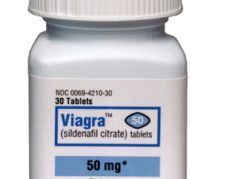
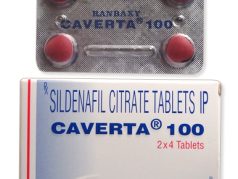
Popular prescription treatments include Viagra (sildenafil), Cialis (tadalafil), and Levitra (vardenafil). These phosphodiesterase-5 inhibitors work by improving blood flow to the penis. Cialis offers extended duration, lasting up to 36 hours, making it popular amongst Australian men. Many of these medications are available through the PBS (Pharmaceutical Benefits Scheme) with a valid prescription from your GP.
If ED persists for more than a few weeks, consult your doctor. Early intervention often leads to better outcomes, and your GP can determine underlying causes and recommend appropriate treatment. Lifestyle modifications including regular exercise, stress reduction, and improved diet often complement medical treatment effectively.
The prostate is a vital gland that produces seminal fluid and can develop problems as men age. Benign Prostatic Hyperplasia (BPH) is a common condition where the prostate enlarges, potentially causing urinary difficulties. Unlike prostate cancer, BPH is non-cancerous but can affect daily comfort and sleep quality.
Common symptoms include frequent urination, weak urinary stream, and incomplete bladder emptying. Australian men experiencing these issues should have their PSA levels checked regularly. Treatment options range from lifestyle adjustments to pharmaceutical interventions.
Medications like finasteride (Proscar) and dutasteride (Avodart) reduce prostate size over time. Alpha-blockers such as tamsulosin (Flomax) provide faster symptom relief by relaxing prostate muscles. Many of these are available through Australian pharmacies with prescriptions. Regular monitoring helps determine treatment effectiveness and adjust dosages as needed.
Testosterone production naturally declines with age, affecting energy levels, muscle mass, mood, and sexual function. Whilst some decline is normal, significant deficiency can impact overall wellbeing. Low testosterone, or hypogonadism, may be diagnosed through blood tests ordered by your GP.
Australian men may experience fatigue, reduced libido, difficulty concentrating, or mood changes. These symptoms warrant a discussion with your healthcare provider and appropriate testing. Hormone replacement therapy may be recommended for eligible patients.
Testosterone replacement therapy (TRT) is available through several methods in Australia, including injections, gels, patches, and implants. Treatments like testosterone enanthate and testosterone cypionate are prescribed under careful medical supervision. Regular blood tests monitor levels and ensure safe, effective dosing. Not all men are candidates for TRT, so medical assessment is essential before starting treatment.
Male pattern baldness affects a significant proportion of Australian men, with genetics being the primary determining factor. Hair loss can affect confidence and self-image, prompting many men to seek treatment options. Early intervention typically produces better results than treating advanced hair loss.
Hair loss occurs when hair follicles become sensitive to DHT (dihydrotestosterone), a hormone derived from testosterone. This sensitivity causes follicles to shrink, reducing hair production. Factors like stress, poor nutrition, and certain medical conditions can also contribute to hair loss.
Minoxidil (Rogaine) is available over-the-counter and stimulates hair growth when applied topically. Finasteride (Propecia) is a prescription medication that blocks DHT production, slowing hair loss and potentially promoting regrowth. Both medications require consistent use to maintain results. Australian pharmacies stock various brand names and generic versions. For best outcomes, treatment should begin at the first signs of hair loss.
Heart disease remains a leading health concern for Australian men. Cardiovascular health directly impacts energy levels, sexual function, and overall longevity. Prevention through lifestyle modifications and, when necessary, medical treatment is essential for maintaining good health.
High blood pressure, elevated cholesterol, smoking, and obesity increase cardiovascular risk. Australian men over 45 should discuss cardiovascular screening with their GP. Regular blood pressure checks and cholesterol tests help identify risks early. Key preventative measures include:
Common medications include ACE inhibitors, beta-blockers, and statins for cholesterol management. Aspirin therapy may be recommended for certain patients. Lifestyle changes such as regular exercise, Mediterranean diet patterns, stress management, and smoking cessation significantly improve cardiovascular outcomes. These approaches combined with appropriate medication help prevent heart disease and improve overall men's health considerably.
Mental health significantly impacts physical wellbeing, yet many Australian men hesitate to seek help. Depression, anxiety, and stress-related conditions are common but often underdiagnosed in men. Early recognition and treatment lead to better life outcomes and improved quality of life.
Men may experience depression differently than women, sometimes manifesting as irritability or withdrawal rather than sadness. Anxiety disorders, stress, and sleep problems are prevalent amongst Australian men. These conditions respond well to treatment combining therapy and medication when necessary. Warning signs to watch for include:
Antidepressants like sertraline, escitalopram, and paroxetine are commonly prescribed in Australia. These SSRIs (selective serotonin reuptake inhibitors) help restore chemical balance and improve mood. Psychological therapies including cognitive behavioural therapy complement medication effectively. Your GP can provide referrals to mental health professionals. Speaking with a healthcare provider about mental health concerns is an important step towards improved wellbeing and overall health management. Remember that seeking help is a sign of strength, and effective treatments are available to support your mental health journey.