
Serc
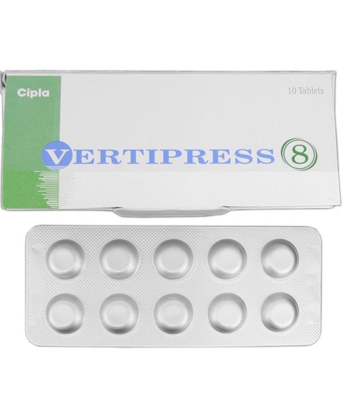
Serc
- In our pharmacy in Australia you can buy Serc (betahistine) without a prescription; available as tablets (commonly 16 mg and 24 mg) with discreet packaging and nationwide delivery.
- Serc is used for Ménière’s disease and other peripheral vertigo disorders; betahistine is a histamine analogue thought to increase histaminergic activity and improve inner‑ear microcirculation and vestibular compensation.
- Usual dosage: commonly 16 mg two to three times daily, or 24 mg twice daily (maximum recommended about 48 mg per day); dose may be adjusted by response and tolerability.
- Form of administration: oral tablet (film‑coated/plain tablets; strengths commonly 8 mg, 16 mg, 24 mg).
- Onset time: some patients notice initial symptom change within hours to days, but meaningful clinical improvement often takes several weeks of regular treatment.
- Duration of action: individual doses have a relatively short systemic duration (hours), with symptomatic benefit maintained through regular dosing; full therapeutic effect is seen with continuous use over weeks.
- Alcohol warning: avoid or limit alcohol while taking Serc as alcohol can worsen dizziness, increase drowsiness and gastric irritation, and may reduce treatment effectiveness.
- The most common side effect is gastrointestinal disturbance (nausea, dyspepsia); headache and mild allergic skin reactions are also reported.
- Would you like to try serc without a prescription?





Basic Serc Information
- INN (International Nonproprietary Name): Betahistine.
- Brand Names Available In Australia: Serc (tablets 16 mg, 24 mg).
- ATC Code: N07CA01.
- Forms & Dosages: Tablets in 8 mg, 16 mg and 24 mg strengths; commonly film-coated or plain, supplied in blister packs or boxes.
- Manufacturers In Australia: Not specified.
- Registration Status In Australia: Approved for prescription use.
- OTC / Rx Classification: Prescription-only (Rx) in virtually all markets.
Latest Research Highlights (Australia + Global)
Patients and clinicians ask whether betahistine really reduces vertigo attacks and for whom it helps most.
Recent systematic reviews from 2022–2025 and observational series show a mixed but cautiously favourable signal for betahistine in reducing vertigo frequency and symptom severity in Ménière’s disease and unspecified peripheral vertigo.
Long-term European cohort data report symptomatic improvement over weeks to months with an acceptable tolerability profile.
Randomised placebo-controlled trials report modest effect sizes and heterogeneity in outcomes across studies.
Regulatory history is notable: the FDA withdrew availability in the USA amid efficacy debate, while the TGA and regulators in the UK, EU, Canada and India maintain prescription approvals.
Australian TGA adverse-event reporting for 2022–2025 records mainly gastrointestinal and allergic reactions with no new major safety signals.
Evidence gaps remain, including inconsistent trial design, variable dosing between 16 mg and 48 mg per day, limited paediatric data, and few high-quality Australian RCTs.
| Study Type | Country/Region | Design | Typical Dose Range | Outcome Summary | Safety Notes |
|---|---|---|---|---|---|
| Systematic Reviews (2022–2025) | International | Systematic Review / Meta-analysis | 16–48 mg/day | Mixed results; modest benefit for attack frequency in Ménière’s disease. | GI and allergic effects reported; overall acceptable tolerability. |
| European Long-Term Cohorts | Europe | Observational Cohort | 16–48 mg/day | Symptomatic improvement over weeks–months reported. | Tolerability acceptable; mainly mild GI complaints. |
| Randomised Placebo-Controlled Trials | Various | RCT | 16–48 mg/day | Modest effect sizes; heterogeneity between trials. | Adverse events similar to observational data. |
Data certainty varies by outcome and design, and a GRADE‑style view tends to rate effect sizes as low to moderate certainty given heterogeneity and trial limitations.
Clinical Effectiveness In Australia (TGA, PBS Context)
Patients commonly want to know if Serc will be prescribed and whether it is subsidised.
Betahistine is approved by the TGA as a prescription antivertigo agent and is used in line with international practice.
Australian ENT and vestibular services commonly prescribe Serc for persistent Ménière’s symptoms and chronic peripheral vertigo when vestibular rehabilitation alone is insufficient.
Specialist clinics report symptom reduction over several weeks with maintenance regimens, though outcomes vary.
There is no uniform PBS listing for betahistine nationally, and many patients obtain it via private scripts at community pharmacies.
TGA pharmacovigilance captures mainly mild gastrointestinal and dermatological adverse events, with serious events rare.
For prescribers and commissioners, effectiveness must be weighed against mixed RCT evidence and patient‑reported improvements in quality-of-life measures.
Document shared decision-making and measure response at 6–12 weeks to support ongoing prescriptions for private reimbursement or clinic records.
- Data Highlight: TGA adverse-event trends show mainly GI upset and allergic-type reactions, with no new major safety signals (2022–2025).
- Practice Note: Record attack diary or Dizziness Handicap Inventory scores at baseline and at 6–12 weeks.
Indications & Expanded Uses (TGA-Approved And Off‑Label)
People often ask what conditions Serc is officially used for and where trials are thinner.
TGA‑aligned indications: betahistine is primarily used for Ménière’s disease and peripheral vestibular vertigo to reduce attack frequency and symptomatic dizziness.
Off‑label uses seen in Australian practice include vestibular migraine, chronic subjective dizziness and adjunctive therapy with vestibular rehabilitation.
Evidence for off‑label uses is weaker and often extrapolated from small cohorts rather than large RCTs.
Specialists may trial betahistine when other symptomatic treatments such as antihistamines or vestibular sedatives are ineffective, especially for recurrent vertiginous episodes.
Clinicians should document indication, expected timeline of improvement (usually weeks) and objective measures such as attack diaries or the Dizziness Handicap Inventory.
- TGA-Approved: Ménière’s disease; peripheral vestibular vertigo.
- Common Off-Label: Vestibular migraine; chronic subjective dizziness; adjunct to vestibular physiotherapy.
Composition & Brand Landscape (Australian Market Focus)
Patients ask what is in Serc and what strengths are available locally.
The active ingredient is betahistine, commonly supplied as betahistine dihydrochloride in various formulations.
The ATC code is N07CA01 and classification is an antivertigo agent under other nervous system drugs.
Serc is the principal branded option in Australia, typically available as 16 mg and 24 mg tablets supplied in blister packs or boxes.
Internationally available brands include Betaserc, Vertin, Cyathus and multiple generics from manufacturers such as Dr Reddy’s and Sun Pharma.
| Brand | Country/Region | Strengths / Packaging |
|---|---|---|
| Serc | Canada, UK, Australia, NZ | 16 mg, 24 mg tablets; blister strips/boxes |
| Betaserc | Argentina, Greece, Italy, HK, SG, CH, TH, Switzerland | 8 mg, 16 mg, 24 mg tablets |
| Vertin | India, Turkey | Tablets, various strengths |
| Cyathus | Some European countries | Local packaging; tablet strengths vary |
For pharmacy procurement, multiple generics exist internationally but Australian supply is usually via TGA‑approved local distributors.
Prescription-only status means dispensing requires a valid prescription and pharmacies should follow brand substitution policies and patient preference when switching formulations.
Contraindications & Special Precautions (Indigenous & Elderly Focus)
People commonly worry about serious risks, pregnancy, and cultural considerations for follow-up.
Absolute contraindications include known hypersensitivity to betahistine or excipients, pheochromocytoma, and current pregnancy.
Relative cautions include bronchial asthma, peptic ulcer disease due to potential increase in gastric acid, and hypotension or heart disease because of vasodilatory effects.
Elderly patients require cautious use with attention to comorbidities, renal or hepatic impairment and fall risk though routine dose reductions are not mandated.
In Indigenous and remote populations, higher multimorbidity prevalence and barriers to follow-up mean clinicians should screen thoroughly, use culturally safe explanations and ensure active monitoring.
Workplace and road safety must be discussed; advise patients not to drive if symptomatic dizziness persists and document advice for safety‑sensitive roles.
- Checklist For Contraindications: hypersensitivity; pheochromocytoma; pregnancy.
- Monitoring Flowchart (Short): screen for contraindications → initiate at standard dose if appropriate → review at 4–12 weeks → continue or discontinue based on benefit and adverse events.
Dosage Guidelines (Standard Australian Regimens & Adjustments)
Patients and prescribers need clear starting doses and what to expect if a dose is missed or symptoms persist.
Typical starting dose in Australia is 16 mg two to three times daily or 24 mg twice daily, with a commonly cited maximum of 48 mg per day.
Dose may be titrated according to symptomatic response and tolerability, and therapy is usually trialled for several weeks before judging effectiveness.
Avoid routine use in children because safety and efficacy data are insufficient.
Elderly patients do not require formal dose reduction but should start low and be monitored for orthostatic symptoms.
For renal or hepatic impairment, clinical monitoring is preferred over fixed dose rules due to limited data.
| Strength | Frequency | Max Daily Dose | Notes |
|---|---|---|---|
| 16 mg | Two to three times daily | 48 mg/day | Typical starting option |
| 24 mg | Twice daily | 48 mg/day | Alternative starting regimen |
Missed Dose: take when remembered unless close to the next dose; do not double up.
Overdose: nausea, vomiting and in very large doses convulsions have been reported; seek urgent medical attention for severe symptoms.
Interactions Overview (Food, Drink, Medicines; TGA Reports)
People frequently ask about interactions with blood pressure tablets, alcohol and common medicines.
Betahistine has relatively few well-documented pharmacokinetic interactions.
Potentially relevant clinical interactions include additive hypotensive effects when combined with antihypertensives.
Alcohol and sedating drugs can worsen dizziness and impairment, so advise patients to limit alcohol use while symptomatic.
Caution is advised with drugs that affect gastric acidity in patients with a history of peptic ulcer disease.
TGA adverse-event databases emphasise allergic reactions and GI intolerance rather than specific drug interactions.
- High‑Risk Combinations To Review: antihypertensives; sedative medicines; NSAIDs in those with ulcer history.
- Practical Step: check an e‑health interaction checker and liaise with a pharmacist before initiation.
Cultural Perceptions & Patient Habits In Australia (Rural Vs Urban)
Patients want to know how others perceive Serc and how access differs by location.
Many Australians see betahistine as a long‑term management option rather than an immediate rescue medication.
Urban patients often access ENT specialists and vestibular physiotherapy, while rural and remote patients rely on regional GPs, telehealth and community pharmacists for continuity of care.
Indigenous communities may prefer culturally adapted explanations and family involvement in decision-making, and clinicians should involve interpreters and local Aboriginal health services where appropriate.
Online forums reflect mixed impressions: some report clear benefit, others report limited effect.
Pharmacists remain trusted sources for counselling and for arranging delivery or follow-up in telehealth models.
| Setting | Access Pattern | Patient Driver |
|---|---|---|
| Urban | Specialist clinics and in-person vestibular rehab | Evidence from specialists; convenience |
| Rural / Remote | Regional GPs, telehealth, community pharmacists | Access, cost, pharmacist advice |
Availability & Pricing Patterns (Pharmacies, Telehealth, PBS)
Patients commonly ask where they can buy Serc and whether it will be subsidised.
Serc (betahistine) is prescription-only and stocked by major Australian chains and accredited online pharmacies.
Many patients obtain it via private prescription because PBS listing is not consistently applied nationally.
Pricing varies across chains and online sellers, and regional pharmacies may carry limited strengths.
Telehealth services issue e‑prescriptions and arrange home delivery, which helps remote patients but requires clear dispensing instructions regarding brand substitution.
Some patients import overseas generics, but clinicians should advise on regulatory and safety implications and follow TGA guidance.
In our online pharmacy, serc is available without a prescription, with discreet delivery to Australia in 5-14 days.
| Outlet | Availability | Notes For Dispensing |
|---|---|---|
| Major Chains (Chemist Warehouse, Priceline) | Commonly stocked | Variable private prices; check stock for strength |
| Community Pharmacies | Stock varies by region | May need to order in; advise on price |
| Telehealth/Online Pharmacies | E‑prescriptions with home delivery | Ensure brand substitution permissions on script |
Pharmacist Checklist When Dispensing: verify Rx, check for contraindications, discuss dosing and adverse effects, and record supply for follow-up.
Comparable Medicines And Clinical Preferences (Alternatives)
People often ask what to try if betahistine is unsuitable or not effective.
Common pharmacological alternatives include antihistamines such as meclizine, anticholinergics and prochlorperazine for acute nausea, dimenhydrinate for short‑term relief and cinnarizine where available.
Non-drug strategies for Ménière’s include low‑salt diets, diuretics, intratympanic steroids and vestibular rehabilitation.
Betahistine is preferred for long‑term reduction of attack frequency with generally mild side effects.
Antihistamines offer rapid symptomatic relief but are sedating and usually short‑term solutions.
| Agent | Mechanism | Onset | Use (Chronic vs Acute) | Sedation Risk |
|---|---|---|---|---|
| Betahistine (Serc) | Antivertigo agent; exact mechanism not fully defined | Weeks for full effect | Chronic management | Low |
| Meclizine | Antihistamine | Rapid | Acute symptom relief | Moderate–High |
| Dimenhydrinate | Antihistamine/anticholinergic | Rapid | Short‑term acute use | High |
Clinician choice depends on symptom pattern, comorbidities, occupation and patient preference.
FAQ — Common Patient Questions
How quickly will Serc (betahistine) work?
Many patients notice reduced attack frequency over weeks, and response should be assessed at 4–12 weeks.
Is Serc on the PBS?
PBS listing is not uniformly applied; many patients pay privately and should check PBS online or discuss concessional access with their prescriber.
Can I drive while taking betahistine?
Driving depends on symptom control; if dizziness persists, avoid driving and document advice for safety‑sensitive roles.
Can I take Serc in pregnancy or if I have asthma?
Pregnancy is generally considered a contraindication and asthma requires caution; consult the prescriber before starting therapy.
Guidelines For Proper Use & Pharmacist Counselling (PBS/National Guidance)
Patients want clear counselling on how to take the medicine and when to seek help.
Confirm the indication and diagnosis (Ménière’s versus other vertigo) before dispensing and counsel on expected timeline of improvement over 4–12 weeks.
Explain dosing: typically 16 mg two–three times daily or 24 mg twice daily, with a maximum of 48 mg per day.
Review the full medication list for interactions and check for contraindications such as pheochromocytoma, pregnancy or hypersensitivity.
Storage advice: keep in the original container below 25°C and protect from moisture and light.
Missed doses should be taken when remembered unless close to the next dose; do not double doses.
Advise immediate medical review for severe allergic reactions or suspected overdose.
For PBS or private billing, document clinical benefit at review visits to support repeat prescribing, and liaise with GPs for authority scripts if required.
- Stepwise Counselling Checklist: confirm diagnosis → review meds/contraindications → explain dosing/timing → set 6–12 week review → arrange follow-up or ENT referral if no benefit.
- Referral Triggers: new severe headache, suspected allergic reaction, unexplained syncope, or worsening vertigo despite therapy.
Delivery Across Australia
| City | Region | Delivery time |
|---|---|---|
| Sydney | New South Wales | 5-7 days |
| Melbourne | Victoria | 5-7 days |
| Brisbane | Queensland | 5-7 days |
| Perth | Western Australia | 5-7 days |
| Adelaide | South Australia | 5-7 days |
| Canberra | Australian Capital Territory | 5-7 days |
| Hobart | Tasmania | 5-7 days |
| Darwin | Northern Territory | 5-7 days |
| Gold Coast | Queensland | 5-9 days |
| Newcastle | New South Wales | 5-9 days |
| Wollongong | New South Wales | 5-9 days |
| Geelong | Victoria | 5-9 days |
| Sunshine Coast | Queensland | 5-9 days |
| Townsville | Queensland | 5-9 days |
| Cairns | Queensland | 5-9 days |