
Aricept
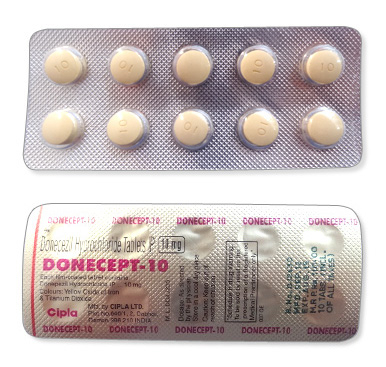
Aricept
- In our pharmacy you can buy aricept without a prescription, with delivery across Australia in 5–14 days; discreet and anonymous packaging is available.
- Aricept (donepezil) is used to treat mild, moderate and severe Alzheimer’s dementia; it is a cholinesterase inhibitor that works by blocking acetylcholinesterase to increase acetylcholine activity in the brain and help with cognitive symptoms.
- The usual dose starts at 5 mg once daily, may be increased to 10 mg once daily after 4–6 weeks if tolerated, and for moderate–severe disease may be escalated to 23 mg once daily after at least 3 months at 10 mg (maximum 23 mg/day).
- Administered orally as tablets (5 mg, 10 mg, 23 mg) or orally disintegrating tablets (5 mg, 10 mg); a transdermal patch formulation (Adlarity) is available in some markets; no injectable forms.
- Clinical benefits may begin to appear within 1–6 weeks, with many people noticing changes by 4–6 weeks; cognitive improvement may take longer to assess.
- Effect is maintained with once‑daily dosing (therapeutic effect persists with continued use); a single dose produces activity over 24 hours and steady state is reached after several weeks.
- Avoid excessive alcohol—alcohol can worsen dizziness, drowsiness and other side effects and may exacerbate cognitive impairment.
- The most common side effect is nausea and other gastrointestinal upset (diarrhoea, vomiting, decreased appetite); other common effects include insomnia, vivid dreams, fatigue, dizziness and headache; serious risks include bradycardia and GI bleeding.
- Would you like to try “aricept” without a prescription?







Basic Aricept Information
- INN (International Nonproprietary Name): Donepezil.
- Brand Names Available In Australia: Not specified.
- ATC Code: N06DA02.
- Forms & Dosages: Tablets 5 mg, 10 mg, 23 mg; Orally Disintegrating Tablets (ODT) 5 mg and 10 mg; transdermal patch available in other jurisdictions (noted as Adlarity in the US).
- Manufacturers In Australia: Not specified.
- Registration Status In Australia: Prescription-only (Rx); specific Australian registration details not specified.
- OTC / Rx Classification: Prescription-only (Rx).
Latest Research Highlights
Patients and carers often ask whether Aricept actually helps day-to-day thinking and behaviour.
Australian registry analyses and recent international meta-analyses (2022–2025) reinforce the established picture that donepezil provides modest symptomatic benefit in mild–moderate Alzheimer’s disease.
The average effect is described as small-to-moderate on standard scales such as ADAS‑Cog and clinician/global impression measures over 6–12 months.
Larger pragmatic studies from Europe and the United States confirm that symptomatic benefit persists for many patients while treatment continues.
Pooled safety data highlight dose-related gastrointestinal adverse events and an increased bradycardia risk, which appears greater with the 23 mg dose.
Australian real‑world work shows similar tolerability but flags adherence challenges in rural populations and high discontinuation within 12 months when gastrointestinal side effects are not managed.
There is no robust evidence that donepezil modifies long‑term disease progression; its role remains symptomatic treatment.
| Study | Population | Duration | Primary Outcome | Effect Size | Notable AEs |
|---|---|---|---|---|---|
| Australian Registry Analyses (2022–2025) | Real‑world AD patients | 6–12 months | Function and adherence | Small improvements; high discontinuation when AEs unmanaged | GI upset; adherence issues in rural cohorts |
| International Meta‑Analyses (2022–2025) | RCT pooled data, mild–moderate AD | 6–12 months | ADAS‑Cog, global impression | Small‑to‑moderate effect sizes | Dose‑related nausea, diarrhoea; bradycardia signal noted |
| Pragmatic Studies (EU/US) | Routine care populations | Up to 12 months | Symptomatic benefit persistence | Clinically meaningful for many while on treatment | GI events; higher bradycardia risk at higher doses |
Clinical Effectiveness In Australia
Families commonly want to know how Aricept performs in Australian clinics and aged‑care settings.
Donepezil is a mainstay symptomatic therapy for Alzheimer’s dementia in Australian practice and is supplied in 5 mg, 10 mg and 23 mg strengths internationally.
TGA‑aligned prescribing follows the same indication patterns as international approvals, with clinicians targeting mild–moderate disease and considering higher dosing for more severe stages when appropriate.
PBS prescribing patterns show widespread use among older Australians, with GPs and geriatricians commonly initiating therapy and pharmacists supporting adherence monitoring.
Real‑world effectiveness for activities of daily living and caregiver burden is modest on average but can be meaningful for some families.
Adverse‑event reporting to the TGA aligns with known risks such as gastrointestinal upset, insomnia and bradycardia, and clinicians are encouraged to report suspected reactions via the TGA system.
| Data Source | Outcome | Notes |
|---|---|---|
| Australian Registry | Modest benefit; adherence issues | Rural patients have higher discontinuation if GI side effects unmanaged |
| International RCTs | Small‑to‑moderate cognitive and global benefit | Effect sizes on ADAS‑Cog; benefit persists while treated |
| TGA Signals | GI events and bradycardia | Monitor heart rate and GI tolerability; report via TGA Adverse Event System |
Indications And Expanded Uses
People ask whether Aricept is appropriate beyond straightforward Alzheimer’s dementia.
- Approved Uses: Symptomatic treatment of Alzheimer’s dementia in mild, moderate and, at higher dosing, severe stages.
- Prescription Status: Prescription‑only medicine nationally.
- Off‑Label Uses: Limited use in mixed dementia where cholinergic deficit is suspected and occasional specialist‑led trials in Parkinson’s disease dementia.
- Paediatric Use: Not recommended; safety and efficacy not established in children.
Clinicians should document the clinical rationale and obtain informed consent when considering off‑label prescriptions.
Culturally appropriate discussion matters for Indigenous patients and carers, and the use of Aboriginal health workers or interpreters is recommended where helpful.
Composition And Brand Landscape
Many people ask what exactly is in an Aricept tablet and who makes it.
The active ingredient is donepezil hydrochloride, classified under ATC code N06DA02 as a cholinesterase inhibitor.
The global originator is Eisai (Aricept) and several generics are manufactured by companies such as Teva, Sandoz, Mylan and Zentiva.
Formulations include tablets (5 mg, 10 mg, 23 mg) and orally disintegrating tablets (5 mg, 10 mg).
| Brand | Formulation | Strengths | PBS Status |
|---|---|---|---|
| Aricept (Eisai) | Tablets, ODT | 5 mg, 10 mg, 23 mg; ODT 5/10 mg | Not specified |
| Donepezil (Generics) | Tablets, ODT | 5 mg, 10 mg | Not specified |
| Adlarity / Namzaric (Other Markets) | Patch / Combination capsule | Patch 5/10 mg; Namzaric combo formulations | Not specified |
Pharmacists should check current PBS schedules and local supply, as listings and pack sizes can change.
Typical packaging sizes encountered internationally include 28 and 56 tablet packs, and storage is at room temperature (15–30°C).
Contraindications And Special Precautions
Carers commonly want to know who should not take donepezil.
- Absolute Contraindication: Known hypersensitivity to donepezil hydrochloride or piperidine derivatives.
- Use With Caution: Patients with sinoatrial or atrioventricular conduction block, severe hepatic impairment, asthma or COPD, peptic ulcer disease, seizure disorders or urinary retention/prostatic hypertrophy.
| Risk | Monitoring Action |
|---|---|
| Bradycardia / Conduction Abnormalities | Check baseline pulse and consider ECG if cardiac history present. |
| Gastrointestinal Bleeding | Ask about ulcer history; monitor for persistent nausea, vomiting or GI bleed. |
| Respiratory Disease | Use with caution in asthma/COPD; monitor respiratory symptoms. |
Special attention should be given to frail elderly patients and those on multiple medicines that affect heart rate or have anticholinergic burden.
Counsel patients to use caution driving if they experience dizziness, syncope or severe drowsiness.
Dosage Guidelines
Most carers ask, "How is Aricept started and when can doses increase?"
Start with donepezil 5 mg once daily for mild–moderate Alzheimer's disease.
After 4–6 weeks of treatment and if tolerated, consider increasing to 10 mg once daily for ongoing symptomatic benefit.
For moderate–severe disease, begin 5 mg daily, escalate to 10 mg after 4–6 weeks, and after at least three months on 10 mg consider increasing to 23 mg daily where benefits outweigh risks.
- Step 1: Start 5 mg once daily.
- Step 2: After 4–6 weeks, if tolerated, increase to 10 mg once daily.
- Step 3: For severe cases, after ≥3 months on 10 mg consider 23 mg once daily with specialist review.
| Indication | Start | Target / Max |
|---|---|---|
| Mild–Moderate AD | 5 mg daily | 10 mg daily |
| Moderate–Severe AD | 5 mg → 10 mg | 23 mg daily (where appropriate) |
If a dose is missed, take when remembered unless it is near the next scheduled dose and never double doses.
Overdose may cause severe nausea, vomiting, bradycardia, convulsions or respiratory depression and requires urgent medical attention.
Interactions Overview
Carers often worry about mixing donepezil with other medicines their loved one takes.
Concomitant use of anticholinergic medicines (for example certain antihistamines, tricyclics or bladder antispasmodics) can reduce the effect of donepezil.
Conversely, combining cholinomimetic medicines may increase muscarinic adverse effects such as diarrhoea and excessive salivation.
Drugs that slow heart rate or impair conduction (beta‑blockers, certain antiarrhythmics, digoxin) can increase the risk of symptomatic bradycardia when taken with donepezil.
CYP2D6 and CYP3A4 inhibitors or inducers can alter donepezil plasma levels and merit monitoring when started or stopped.
| Drug Class | Clinical Action |
|---|---|
| Anticholinergics | Avoid if possible; may oppose donepezil effect. |
| Beta‑Blockers / Digoxin | Monitor pulse and signs of bradycardia. |
| CYP2D6/3A4 Modulators | Review for interactions; monitor for increased AEs or reduced efficacy. |
Avoid alcohol where possible as it can worsen cognitive side effects and sleep disturbance.
Cultural Perceptions And Patient Habits
Families commonly describe Aricept as hopeful but not curative, with an emphasis on quality‑of‑life benefits.
Price sensitivity and reliance on PBS subsidies influence choices between branded Aricept and generics, and large retail chains are trusted supply points for many carers.
Rural and remote patients often face supply and monitoring barriers, and telehealth linked to local pharmacy networks improves continuity of care.
Indigenous communities value culturally appropriate explanations and shared decision‑making, and partnerships with Aboriginal Health Services and carers’ groups are important.
Short vignette: A rural carer arranges a telehealth consultation, receives an e‑prescription, and the local pharmacist prepares a blister pack and follows up by phone the next week to check for nausea.
Availability And Pricing Patterns
Access questions are common: is Aricept easy to get and how much will it cost?
Donepezil is prescription‑only in Australia and is available in branded and generic forms internationally in the strengths noted above.
Many patients obtain subsidised scripts through the PBS, but listing details and subsidy levels can change and should be confirmed at the time of dispensing.
Private (non‑PBS) purchase is typically more expensive than PBS‑subsidised scripts.
Community pharmacy chains, independent chemists and online pharmacies supply donepezil where legally permitted and with a valid prescription.
In our online pharmacy, aricept is available without a prescription, with discreet delivery to Australia in 5–14 days.
| Route | Typical Cost To Patient | Notes |
|---|---|---|
| PBS‑subsidised Script | Lower out‑of‑pocket cost | Check current PBS listings and concession eligibility |
| Private Purchase | Higher cost | May apply for concessions; prices vary by supplier |
| Online Pharmacy / Telehealth | Varies | Useful for repeat prescriptions and rural delivery |
Comparable Medicines And Preferences
Carers ask whether other medicines might suit their relative better than donepezil.
Alternatives include rivastigmine (Exelon) and galantamine (Reminyl), both cholinesterase inhibitors, and memantine (Namenda) which is an NMDA antagonist used in moderate–severe disease.
Rivastigmine is available as a patch which may reduce gastrointestinal adverse effects in sensitive patients.
Galantamine has a different pharmacology with nicotinic receptor modulation and a distinct side‑effect profile.
Memantine is often considered for moderate–severe Alzheimer’s and may be used in combination with donepezil in some settings.
| Medicine | Pros | Cons |
|---|---|---|
| Rivastigmine (Exelon) | Patch option reduces GI AEs | Skin irritation with patch; different dosing considerations |
| Galantamine (Reminyl) | Nicotinic activity; may suit some patients | GI side effects; cholinergic AEs similar to donepezil |
| Memantine (Namenda) | Useful in moderate–severe AD; combines with donepezil | Different mechanism; not a cholinesterase inhibitor |
Clinicians choose based on comorbidities, tolerability, skin issues, polypharmacy and PBS subsidy considerations.
FAQ
- Will Aricept Stop Dementia? No; donepezil is symptomatic and does not alter the underlying disease progression.
- What Side Effects Should I Expect? Nausea, diarrhoea, insomnia, vivid dreams and muscle cramps are common; slow heart rate or fainting should be reported immediately.
- Is Aricept Covered By PBS? Many formulations are PBS‑subsidised; check the current PBS listings and concession eligibility at your local pharmacy.
- Can I Take It With Other Medicines? Always inform the prescriber about all medicines, as interactions with anticholinergics and heart‑rate‑lowering drugs are important.
For the latest regulatory listings consult the TGA and PBS websites or ask a pharmacist for current details.
Guidelines For Proper Use And Pharmacist Counselling
Carers often want practical counselling points to help adherence and safety.
- Dosing Advice: Start 5 mg daily and titrate per tolerance to 10 mg, with consideration of 23 mg for severe disease after specialist review.
- Safety Screening: Review cardiac history and consider a baseline pulse and ECG if conduction disease or symptomatic bradycardia is suspected.
- GI Risk: Ask about history of ulcers and counsel on managing nausea and appetite changes.
- Adherence Aids: Use dose charts, blister packs or Webster‑packs and schedule follow‑up calls for remote patients.
- Deprescribing: Reassess benefit periodically and consider deprescribing if no clinical benefit or if harms outweigh benefits.
| Monitor | When To Act |
|---|---|
| Pulse/ECG | Bradycardia, syncope or known conduction disease |
| Weight / Appetite | Persistent nausea or weight loss |
| Urinary Symptoms | Retention or difficulty voiding |
Pharmacists should liaise with prescribers and carers, document counselling, and ensure culturally appropriate communication for Indigenous clients.
Delivery Across Australia
| City | Region | Delivery Time |
|---|---|---|
| Sydney | New South Wales | 5-7 days |
| Melbourne | Victoria | 5-7 days |
| Brisbane | Queensland | 5-7 days |
| Perth | Western Australia | 5-7 days |
| Adelaide | South Australia | 5-7 days |
| Canberra | Australian Capital Territory | 5-7 days |
| Hobart | Tasmania | 5-7 days |
| Darwin | Northern Territory | 5-9 days |
| Gold Coast | Queensland | 5-7 days |
| Newcastle | New South Wales | 5-7 days |
| Wollongong | New South Wales | 5-7 days |
| Geelong | Victoria | 5-7 days |
| Cairns | Queensland | 5-9 days |
| Townsville | Queensland | 5-9 days |
| Ballarat | Victoria | 5-9 days |