
Dulcolax
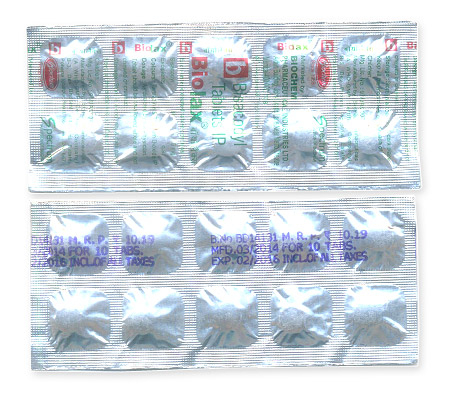
Dulcolax
- In our pharmacy, you can buy dulcolax without a prescription, available OTC with delivery across Australia and discreet packaging.
- Dulcolax (bisacodyl) is used for occasional constipation and short-term bowel cleansing before procedures; it is a stimulant laxative that increases colon peristalsis and promotes water secretion into the bowel.
- Usual doses: adults — oral 5–10 mg once daily (tablets) or 10 mg suppository as a single dose; for bowel prep 10–20 mg orally the night before plus a 10 mg suppository in the morning; children >6 years usually 5 mg (consult for younger children); do not use for more than 1 week without medical advice.
- Forms of administration: enteric-coated oral tablets (swallow whole), rectal suppositories and rectal enema solution; do not chew or crush tablets and avoid taking with milk or antacids.
- Onset time: tablets typically work within 6–12 hours (usually overnight); suppositories within 15–60 minutes; enemas often act within 5–15 minutes.
- Duration of action: effect generally produces one or a few bowel evacuations over several hours — oral effects commonly last across the bowel movement period (about 6–12 hours after dosing), rectal forms act and subside more quickly.
- Alcohol warning: avoid excessive alcohol while using dulcolax as alcohol can worsen dehydration and electrolyte disturbances associated with diarrhoea.
- The most common side effect is abdominal cramps; other frequent effects include diarrhoea, rectal irritation (with suppositories), nausea and possible electrolyte imbalance if used excessively.
- Would you like to try dulcolax without a prescription?

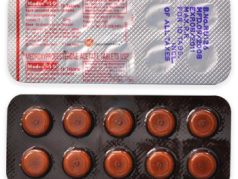
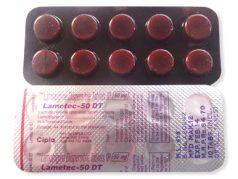

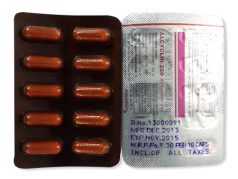
Basic Dulcolax Information
- INN (International Nonproprietary Name): Bisacodyl
- Brand Names Available In Australia: Dulcolax and generic bisacodyl products (brand availability may vary by retailer and region)
- ATC Code: A06AB02 — Laxatives, stimulant laxatives for oral or rectal use
- Forms & Dosages: Tablet (enteric) 5 mg oral blister packs (10, 20, 30 units); Suppository 10 mg rectal foil pouch (5, 6, 10 units); Enema solution 10 mg/30 mL single‑use bottle
- Manufacturers In Australia: Sanofi via regional or local licensees and generic suppliers (specific Australian manufacturers or local licence holders not specified)
- Registration Status In Australia: Not specified in the product data; bisacodyl is registered and available OTC in many countries though local registration details should be confirmed with the TGA
- OTC / Rx Classification: Over‑the‑counter in most countries; occasionally prescription for high‑dose or procedural use (local classification in Australia may vary by product and pack size)
Latest Research Highlights
Are you wondering what recent studies say about bisacodyl and bowel relief?
Recent literature from 2022 to 2025 continues to position bisacodyl as an effective short‑term stimulant laxative for occasional constipation and for bowel cleansing prior to procedures.
Systematic reviews and meta‑analyses report faster time‑to‑first‑bowel movement with stimulant laxatives such as bisacodyl compared with many bulk and osmotic agents when used acutely.
Polyethylene glycol (PEG) osmotics still show better tolerability for longer‑term or maintenance regimens in comparative analyses.
Safety signal reviews emphasise common effects such as cramping and transient diarrhoea, and report electrolyte disturbances mainly in frail older adults or people taking diuretics.
These safety signals align with TGA and international adverse‑event reporting trends for stimulant laxatives.
Australian primary care audits and telehealth clinic reviews from 2022–24 show high over‑the‑counter satisfaction with bisacodyl for short‑term relief, while pharmacists stressed counselling on correct dosing and limiting use to under seven days.
Comparative trials versus sodium picosulfate, senna and PEG find broadly similar evacuation efficacy but different side‑effect profiles, so choice depends on speed required and tolerance.
Available bisacodyl formulations noted in product data are enteric tablets 5 mg, suppositories 10 mg, and a 10 mg/30 mL enema solution, classified under ATC A06AB02.
Clinical Effectiveness In Australia
People ask how quickly Dulcolax works and whether it matches international results in Australia.
Australian experience mirrors international evidence: bisacodyl gives reliable short‑term relief for occasional constipation and is effective for bowel evacuation before procedures.
TGA adverse‑event summaries record mostly mild events such as abdominal cramps and diarrhoea, with less frequent reports of electrolyte imbalance in vulnerable patients.
Bisacodyl is mainly supplied OTC in community pharmacies rather than through PBS listing for general constipation, though hospitals may supply it for procedural use.
Community pharmacy audits report typical onset of action of oral enteric tablets around 6–12 hours and rectal suppositories or enemas in 15–60 minutes for suppositories and within minutes to an hour for enemas.
The table below summarises onset time, typical dose and percentage responders where specified in product data or marked as not specified when data is not provided.
| Formulation | Typical Dose | Typical Onset | % Responders |
|---|---|---|---|
| Enteric Tablet | 5–10 mg oral once daily | 6–12 hours | Not specified |
| Suppository | 10 mg single rectal dose | 15–60 minutes | Not specified |
| Enema | 10 mg/30 mL single use | Minutes to 1 hour | Not specified |
Indications And Expanded Uses
What is Dulcolax approved for and when do clinicians sometimes use it off‑label?
- Approved Indication — Occasional Constipation: Adults and older children; usual adult oral dose 5–10 mg once daily.
- Approved Indication — Bowel Cleansing: Short‑term bowel evacuation before surgery or colonoscopy under medical instruction; procedural regimens often include higher oral doses plus rectal dosing.
- Off‑Label Use — Opioid‑Induced Constipation: Used as an adjunct under supervision when stool softeners and osmotics are insufficient.
- Off‑Label Use — Selected Paediatric Cases: In children over six years when bulk or osmotic agents are unsuitable, with paediatric dosing and clinician oversight.
- Important Precautions: Limit use to less than seven days without physician review to avoid dependence and to prompt investigation of chronic constipation.
- Absolute Contraindications: Suspected bowel obstruction, acute abdominal conditions, severe dehydration, or known bisacodyl allergy.
Composition And Brand Landscape
Which strengths and brands of bisacodyl are on the market in Australia?
The active ingredient across brands is bisacodyl (INN), sold under the international lead brand Dulcolax and as generics supplied by local wholesalers.
Dosage forms available from product listings include enteric 5 mg tablets (blister packs), 10 mg suppositories (foil pouches), and 10 mg/30 mL enema single‑use bottles.
Global brand ownership has historically included Sanofi and regional licensees, while generic suppliers provide alternative packaging and pricing in local markets.
| Product | Strength | Typical Pack Sizes | Typical Retail Channels |
|---|---|---|---|
| Dulcolax Tablets | 5 mg | 10, 20, 30 units (blister) | Major pharmacy chains, independent pharmacies, online pharmacy orders |
| Dulcolax Suppositories | 10 mg | 5, 6, 10 units (foil pouch) | Community pharmacies, hospital procurement, online suppliers |
| Bisacodyl Enema | 10 mg/30 mL | Single‑use bottle | Pharmacies and surgical supply channels |
Contraindications And Special Precautions
Who should avoid bisacodyl and what should pharmacists screen for?
- Absolute Contraindications: Known allergy to bisacodyl or excipients, suspected bowel obstruction, ileus, acute surgical abdomen, severe dehydration, acute appendicitis, severe inflammatory bowel disease.
- Special Precautions: Elderly patients, pregnant or breastfeeding women (use only if clearly needed), children under six years (consult a clinician), and people with limited follow‑up access such as some Indigenous communities.
| Risk Group | Counselling Points |
|---|---|
| Elderly | Start low, monitor hydration and electrolytes if prolonged use; watch for cramping and dizziness. |
| Patients On Diuretics Or Cardiac Drugs | Screen for concomitant medicines that affect electrolytes and advise monitoring where applicable. |
| Children Under 6 Years | Do not use without medical advice; refer to GP or paediatrician. |
| Pregnancy/Breastfeeding | Use only if clearly needed and after discussing risks and alternatives with a clinician. |
Dosage Guidelines
Which dose should a person take and how should it be adjusted for procedures or special populations?
Standard adult dosing per product information is an enteric tablet 5–10 mg once daily, usually starting at 5 mg for occasional constipation.
For faster action, a 10 mg rectal suppository is used as a single dose and enemas provide rapid effect for bowel cleaning.
For bowel evacuation before procedures, regimens commonly use 10–20 mg oral the night before plus a 10 mg suppository on the morning of the procedure under medical instruction.
Paediatric dosing for children older than six years is typically oral 5 mg or rectal 5–10 mg, with children under six requiring clinician review.
No routine renal or hepatic dose adjustment is specified, but caution is advised in renal impairment because of electrolyte disturbance risk.
| Population / Indication | Typical Dose | Key Points |
|---|---|---|
| Adults — Occasional Constipation | 5–10 mg oral once daily | Start 5 mg; do not chew or crush enteric tablet; avoid milk/antacids. |
| Adults — Bowel Evacuation | 10–20 mg oral night before; 10 mg suppository morning of procedure | Use under clinician direction for procedures. |
| Children >6 Years | Oral 5 mg; rectal 5–10 mg | Use with paediatric guidance. |
| Elderly | Start low (5 mg) and monitor | Watch fluid status and electrolytes if treatment prolonged. |
Interactions Overview
What can interact with bisacodyl and how should pharmacy staff advise patients?
- Antacids/Milk: May damage the enteric coating and cause premature tablet dissolution; advise avoid co‑administration.
- Diuretics and Corticosteroids: Concomitant use increases risk of hypokalaemia and electrolyte disturbances, particularly in elderly or frail patients.
- Other Laxatives: Combining stimulant and osmotic laxatives can increase the risk of severe diarrhoea and dehydration; avoid unless under supervision.
- Alcohol and Caffeine: May worsen dehydration or GI upset; encourage adequate fluid intake.
| Drug / Substance | Interaction | Action |
|---|---|---|
| Antacids / Milk | Can damage enteric coating | Separate dosing; take tablet with water only. |
| Diuretics / Corticosteroids | Increase electrolyte loss risk | Monitor electrolytes in at‑risk patients. |
| Other Laxatives | Potentiation of diarrhoea and cramps | Avoid unsupervised combination. |
Cultural Perceptions And Patient Habits In Australia
How do Australians view Dulcolax and how does that affect buying habits?
Many people see Dulcolax or generic bisacodyl as a fast, reliable OTC option for acute constipation and for procedure prep.
Online forums and pharmacy feedback show a preference for quick relief but reluctance to use stimulant laxatives daily because of fear of dependence.
Price sensitivity is common, with consumers comparing prices across major chains and online pharmacies before buying.
Rural and remote patients often rely on community pharmacists and telehealth for advice and may prefer rectal formulations when same‑day access is needed locally.
Indigenous health services emphasise culturally safe counselling and arranging appropriate follow‑up for chronic constipation concerns.
| Setting | Access Pattern |
|---|---|
| Urban | Wide retail choice, same‑day pharmacy pickup; price comparisons common. |
| Rural / Remote | Mail order or local community pharmacy; possible delivery delays influence choice. |
Availability And Pricing Patterns
Where can Australians buy Dulcolax and how does pricing generally work?
Dulcolax and generic bisacodyl are commonly stocked in major pharmacy chains and independent pharmacies and are available from online pharmacies with variable delivery options.
PBS does not generally subsidise OTC bisacodyl for uncomplicated constipation, though hospitals may supply it through institutional purchasing for procedures.
Online pharmacies often offer subscription or multi‑pack savings, while brick‑and‑mortar chains compete on price for over‑the‑counter packs.
Rural customers may face longer delivery times or higher freight costs for online orders, while community pharmacies often keep suppositories in stock for same‑day supply.
In our online pharmacy, Dulcolax is available without a prescription, with discreet delivery to Australia in 5‑14 days.
| Product Type | Typical Pack Sizes | Price Pattern |
|---|---|---|
| Tablets 5 mg | Blister 10, 20, 30 units | Brand often higher; generics offer lower prices and multi‑pack discounts. |
| Suppositories 10 mg | Foil pouch 5, 6, 10 units | May be priced higher per unit; commonly kept in pharmacy stock for immediate supply. |
| Enema 10 mg/30 mL | Single‑use bottle | Typically sold individually for bowel prep; pricing varies by supplier. |
Comparable Medicines And Preferences
Which alternatives are commonly used in Australia and when are they preferred?
- Senna (Sennosides): Another stimulant laxative used for fast relief; similar speed to bisacodyl.
- Sodium Picosulfate: Chemically related stimulant, often used for bowel prep.
- Polyethylene Glycol (PEG): Osmotic agent preferred for chronic constipation and maintenance due to better tolerability.
- Lactulose: Osmotic option useful in chronic care or hepatic encephalopathy contexts.
| Medicine | Onset | Best Use Case |
|---|---|---|
| Bisacodyl | 6–12 hours oral; minutes for rectal | Acute relief; bowel prep. |
| Senna | 6–12 hours | Acute occasional constipation; alternative stimulant. |
| PEG | 1–3 days for some effects; effective within hours for others | Chronic constipation maintenance; better tolerability long term. |
Frequently Asked Questions
- Can I Take Dulcolax Every Day? No. Product guidance and national advice recommend using bisacodyl for short‑term relief only and not for more than seven days without clinician review.
- How Quickly Does It Work? Oral enteric tablets usually act within 6–12 hours. Rectal suppositories act within 15–60 minutes and enemas act within minutes to an hour.
- Is It Safe In Pregnancy Or Breastfeeding? Use only if clearly needed. Discuss with your GP or pharmacist before use.
- Can I Combine It With Osmotic Laxatives? Generally avoid unsupervised combinations because of the risk of severe diarrhoea and dehydration.
Guidelines For Proper Use
What should pharmacists tell patients when supplying Dulcolax?
Screen for red flags such as severe abdominal pain, fever, blood in stool or unexplained weight loss and refer to a doctor if any are present.
Confirm the patient’s age, concomitant medicines (especially diuretics and cardiac drugs), and any recent illness or fluid loss.
Advise the usual start dose of 5 mg oral adults and explain that tablets must be swallowed whole with water and not chewed, crushed, taken with milk or antacids.
Reinforce the maximum short‑term duration of less than seven days without medical review and advise on hydration and signs for medical review such as persistent diarrhoea or faintness.
Store at room temperature below 25°C away from moisture and direct sunlight and keep suppositories cool to avoid melting.
- Patient Advice Checklist:
- When to expect effect and how to time dosing for night‑time relief.
- Hydration tips and signs of dehydration or electrolyte imbalance.
- How to store and handle suppositories and single‑use enemas safely.
Delivery Across Australia
| City | Region | Delivery Time |
|---|---|---|
| Sydney | New South Wales | 5-7 days |
| Melbourne | Victoria | 5-7 days |
| Brisbane | Queensland | 5-7 days |
| Perth | Western Australia | 5-7 days |
| Adelaide | South Australia | 5-7 days |
| Canberra | Australian Capital Territory | 5-7 days |
| Hobart | Tasmania | 5-7 days |
| Darwin | Northern Territory | 5-9 days |
| Gold Coast | Queensland | 5-7 days |
| Newcastle | New South Wales | 5-7 days |
| Wollongong | New South Wales | 5-7 days |
| Geelong | Victoria | 5-7 days |
| Townsville | Queensland | 5-9 days |
| Cairns | Queensland | 5-9 days |
| Launceston | Tasmania | 5-9 days |