Diabetes is a chronic condition that affects how your body manages blood glucose levels. When you have diabetes, your pancreas either doesn't produce enough insulin or your body can't use the insulin effectively. This leads to high blood sugar levels, which can cause serious health complications over time.
There are three main types of diabetes: Type 1, Type 2, and gestational diabetes. Type 1 occurs when the pancreas fails to produce insulin, whilst Type 2 develops when the body becomes resistant to insulin or doesn't produce enough of it. Gestational diabetes appears during pregnancy.
In Australia, over 1.2 million people have been diagnosed with diabetes, making it one of the most common chronic diseases. Many more remain undiagnosed. The condition requires ongoing management through medication, lifestyle changes, and regular monitoring to prevent complications like heart disease, kidney problems, and vision issues.
Type 1 diabetes requires insulin replacement therapy since the pancreas cannot produce insulin naturally. People with Type 1 diabetes must take insulin every day, making it essential to understand insulin options and administration methods.
Rapid-acting insulins like NovoLog and Humalog work quickly to cover meals. Intermediate-acting insulins such as NPH provide background coverage throughout the day. Long-acting insulins including Lantus and Levemir offer steady insulin levels for extended periods. Insulin pens and pumps are popular delivery methods in Australia, offering convenience and precise dosing.
Modern insulin therapy often involves multiple daily injections or continuous insulin pump therapy. Your healthcare provider will determine the best insulin regimen based on your lifestyle, blood sugar patterns, and preferences. Regular blood glucose monitoring is crucial to ensure your insulin doses remain appropriate.
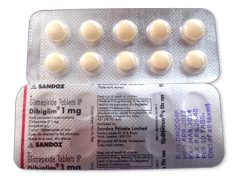
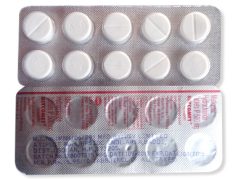
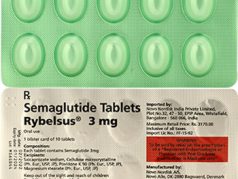
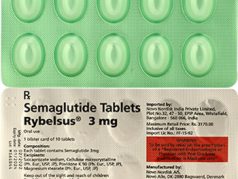
Type 2 diabetes is the most common form, affecting about 85–90% of people with diabetes in Australia. It typically develops gradually and can often be managed through lifestyle modifications combined with oral medications.
Many people require combination therapy, using two or more medications to achieve optimal blood sugar control. Your pharmacist can explain how each medication works and potential side effects to watch for.
Regular blood glucose monitoring is fundamental to diabetes management, helping you understand how your body responds to medications, food, and exercise. Home monitoring allows you to make daily adjustments to your treatment plan.
Fingerstick blood glucose metres remain the most widely used home testing method in Australia. Continuous glucose monitors provide real-time glucose readings and trends throughout the day, particularly helpful for Type 1 diabetes. HbA1c tests measure your average blood sugar over three months, offering a comprehensive view of long-term control.
Blood pressure monitoring is also important, as high blood pressure increases your risk of heart disease and stroke. Your pharmacy stocks various monitoring devices, from traditional metres to advanced digital systems. Regular testing helps prevent hypo-hyperglycaemic episodes and maintains optimal health outcomes. Your healthcare team will recommend testing frequency based on your diabetes type and control level.
Long-term diabetes requires vigilant attention to prevent serious complications affecting various body systems. Proper management significantly reduces your risk of developing these conditions.
Diabetic retinopathy affects your eyes and can lead to vision loss if untreated. Diabetic nephropathy damages your kidneys, potentially requiring dialysis. Diabetic neuropathy causes nerve damage, particularly in your feet, increasing infection risk. Cardiovascular disease is significantly more common in people with diabetes.
Preventive measures include maintaining healthy blood sugar, blood pressure, and cholesterol levels. Annual eye examinations detect early retinopathy before vision loss occurs. Regular foot checks identify problems early, preventing serious infections. Cardiovascular risk reduction through medication and lifestyle changes protects your heart and blood vessels.
Our pharmacy staff can discuss preventive medications and screening tests recommended for your situation. Consistent diabetes management dramatically reduces complication risks, allowing you to maintain quality of life and independence.
Whilst medications are important, lifestyle modifications form the foundation of effective diabetes management. These changes often produce significant improvements in blood sugar control and overall health.
Balanced nutrition focusing on whole grains, vegetables, lean proteins, and healthy fats helps stabilise blood sugar levels. Regular physical activity improves insulin sensitivity and helps maintain healthy weight. Aim for at least 150 minutes of moderate exercise weekly. Stress management techniques reduce cortisol levels that can increase blood sugar.
Quality sleep supports healthy metabolism and blood sugar regulation. Limiting alcohol consumption prevents blood sugar fluctuations. Smoking cessation improves circulation and reduces cardiovascular risks substantially. Weight management, particularly for Type 2 diabetes, often leads to better control and medication reduction.
Our pharmacy team provides education resources, diabetic supplies, and medication management support. We can connect you with dietitians, diabetes educators, and support groups throughout Australia. Regular medication reviews ensure your treatment plan remains optimal as your needs change. Taking an active role in your care, alongside professional support, enables successful long-term diabetes management and improved wellbeing.