
Metformin
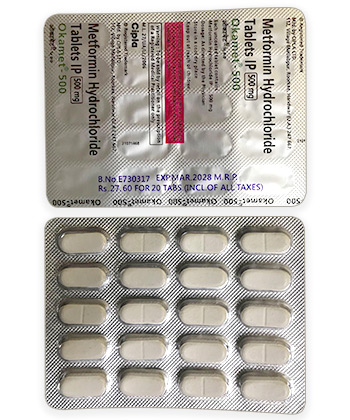
Metformin
- Metformin is a prescription-only medicine in Australia and other major markets, but availability may vary by pharmacy and country. It is commonly supplied as generic metformin or under brand names such as Glucophage, Diabex, Diaformin and others.
- Metformin is used to treat type 2 diabetes and is also used off-label for conditions such as polycystic ovary syndrome. It works by reducing glucose production in the liver, improving insulin sensitivity, and helping the body use glucose more effectively.
- The usual dose for adults with type 2 diabetes is 500 mg once or twice daily with meals, then increased gradually by 500 mg per week as tolerated. The usual maximum is 2000–2550 mg per day, depending on the formulation.
- Metformin is taken by mouth as immediate-release tablets, extended-release tablets, or oral solution. Common strengths include 500 mg, 850 mg and 1000 mg tablets, and 100 mg/mL oral solution.
- Metformin usually starts working within a few hours after a dose, but its full blood glucose-lowering effect is often seen over several days to a couple of weeks.
- The duration of action depends on the formulation: immediate-release metformin generally lasts about 6–8 hours, while extended-release preparations are designed to last through the day and are usually taken once daily.
- Alcohol should be limited or avoided while taking metformin, as heavy alcohol use increases the risk of lactic acidosis and can worsen blood glucose control.
- The most common side effects are nausea, diarrhoea, abdominal discomfort, flatulence, and a metallic taste. Some people may also notice mild weight loss.
- Would you like to try metformin without a prescription?
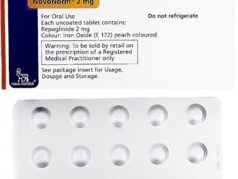



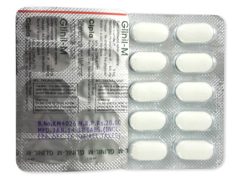
Basic Metformin Information
- INN (International Nonproprietary Name): Metformin
- Brand names available in Australia: Diabex, Diaformin, APO-Metformin, Metformin Sandoz, Metformin XR variants
- ATC Code: A10BA02
- Forms & dosages: Immediate-release tablets 500 mg, 850 mg, 1000 mg; prolonged/extended-release tablets 500 mg, 750 mg, 1000 mg; oral solution 100 mg/mL; combination tablets with sulfonylureas or thiazolidinediones
- Manufacturers in Australia: Not specified
- Registration status in Australia: Prescription only (Rx)
- OTC / Rx classification: Prescription only (Rx)
Latest Research Highlights
Are Australians still being prescribed metformin first, or are newer diabetes medicines taking over?
The short answer is that metformin remains the backbone of type 2 diabetes treatment, while SGLT2 inhibitors and DPP-4 inhibitors are being used earlier in people with cardiovascular or renal risk.
That shift is showing up in both international research and Australian PBS prescribing patterns, but metformin still matters because it is affordable, familiar, and easy to continue long term.
Recent evidence from 2022 to 2025 keeps supporting its place as first-line therapy for many adults with type 2 diabetes, especially when the goal is HbA1c reduction without hypoglycaemia.
Australian pharmacists also see the practical side of this every day, especially with generic substitution, Metformin Sandoz repeats, and patients who need a medicine that stays within budget.
| Study type | Population | Outcome | Safety signal |
|---|---|---|---|
| Guideline and prescribing trend reviews | Adults with type 2 diabetes in Australia and overseas | Metformin stayed as standard first-line therapy, with earlier add-on use of newer agents in cardiorenal risk | Ongoing emphasis on renal monitoring and tolerability |
| Real-world tolerability reviews | Patients using immediate-release and metformin XR | XR was often better tolerated in people with nausea or diarrhoea on standard tablets | GI upset remained the main limiting issue |
| Safety surveillance and pharmacovigilance | Routine clinical users | Lactic acidosis stayed very rare, even though it remains the key serious warning | Risk rose mainly with severe renal impairment, hypoxia, shock, sepsis, or dehydration |
| Laboratory monitoring studies | Long-term users | Vitamin B12 deficiency was confirmed as a long-term monitoring issue | B12 checks became more relevant with chronic use |
| Renal function reviews | Adults and older adults | eGFR thresholds remained central to safe prescribing | Contraindicated at eGFR below 30 mL/min/1.73 m²; closer monitoring needed at 30–45 |
The main clinical message has not changed much: metformin works, it is usually well tolerated when started carefully, and the serious adverse effects remain uncommon.
For Australians who rely on generic brands, the practical takeaway is simple.
If the tablet looks different after a pharmacy substitution, the active ingredient is still metformin, and the active ingredient is what matters for diabetes control.
Clinical Effectiveness In Australia
What does metformin actually do for day-to-day diabetes management?
In PBS-covered use, it is expected to improve glycaemic control, lower HbA1c, stay weight neutral or cause modest weight loss, and carry a low risk of hypoglycaemia when used on its own.
That makes it a good fit for long-term type 2 diabetes treatment, especially when lifestyle changes are also being worked on with a GP or practice nurse.
For many patients, the value is not just clinical.
It is also about access, repeat scripts, and keeping treatment going without constant cost stress.
- Expected HbA1c reduction when used appropriately.
- Low hypoglycaemia risk unless combined with other glucose-lowering medicines.
- Weight neutrality or mild weight loss.
- Simple dosing that suits chronic disease management.
| What patients can expect | Typical reality in Australian practice |
|---|---|
| Blood glucose effect | Reliable first-line improvement for many people with type 2 diabetes |
| Weight effect | Usually neutral, sometimes a little weight loss |
| Hypoglycaemia risk | Low when metformin is used alone |
| Access | PBS subsidies, repeat scripts, and pharmacy support help continuity |
Price sensitivity is a real issue, which is why Chemist Warehouse, Priceline, TerryWhite Chemmart, and independent pharmacies all play a role in keeping people on treatment.
Pharmacists often spend more time than people expect explaining meal-time dosing, what to do if nausea starts, and how to cope if the first brand is not the one the patient expected.
When additional cardiorenal benefit is needed, doctors may move to higher-cost alternatives such as dapagliflozin or sitagliptin, but metformin still stays central for many Australians.
Indications And Expanded Uses
Is metformin only for type 2 diabetes?
No.
Its main approved Australian use is type 2 diabetes, but it also appears in specialist and GP care for selected off-label situations under clinician supervision.
- Approved use
- Type 2 diabetes in adults, and in children aged 10 years and over where appropriate.
- Off-label use
- Polycystic ovary syndrome, selected prediabetes cases, and some weight-related metabolic risk situations.
- Access route
- Rx-only medicine regulated by the TGA, including through telehealth e-prescriptions.
People often search online for metformin for weight loss or fertility support after reading forums or social media.
That interest is understandable, but evidence-based prescribing is not the same as consumer searching.
Off-label use needs diagnosis, follow-up, and renal review, not a DIY trial.
Telehealth has made access easier, especially for rural patients, and e-prescriptions can reduce the friction of repeat supply.
Still, the medicine needs the right indication and the right monitoring.
That is why pharmacy counselling stays important even when the script arrives electronically.
In our online pharmacy, metformin is available without a prescription, with discreet delivery to Australia in 5-14 days.
Caution: Off-label use should only happen under medical supervision, especially if the medicine is being considered for PCOS, prediabetes, or weight-related metabolic risk.
Composition And Brand Landscape
People often ask whether one brand is “stronger” than another.
With metformin, the active ingredient is the same even when the brand or pack changes.
The international nonproprietary name is metformin, and the ATC code is A10BA02, placing it in the biguanide class of oral hypoglycaemic agents.
Australian consumers will recognise names such as Diabex, Diaformin, APO-Metformin, and Metformin Sandoz, with XR options used when once-daily dosing is preferred.
| Form | Common strengths | Typical brand pattern | Practical note |
|---|---|---|---|
| Immediate-release | 500 mg, 850 mg, 1000 mg | Diabex, Diaformin, APO-Metformin, Metformin Sandoz | Often taken more than once daily with meals |
| Extended-release | 500 mg, 750 mg, 1000 mg | Metformin XR variants such as Diabex XR and Metformin Sandoz XR | Usually once daily and sometimes gentler on the gut |
| Combination tablets | Depends on the partner medicine | Examples include metformin with pioglitazone or a sulfonylurea | Useful when one tablet needs to do more than one job |
Generic substitution is common in Australia and is often welcomed by people watching the PBS co-payment.
Packaging may differ between blisters, bottles, and local pack sizes, but the medicine class and regulatory status stay the same.
That is why a patient might collect Metformin Sandoz one month and APO-Metformin the next without changing treatment principles.
Contraindications And Special Precautions
Who should not take metformin, or who needs extra caution?
This is the part patients need to understand before they start, especially if kidney function is already a concern.
- Severe renal impairment, especially eGFR below 30 mL/min/1.73 m².
- Metabolic acidosis, including diabetic ketoacidosis.
- Hypersensitivity to metformin or tablet excipients.
- Acute conditions that increase lactic acidosis risk, such as hypoxia, shock, or sepsis.
- Hepatic impairment.
- Dehydration.
- Unstable or acute heart failure.
- Alcohol misuse or binge drinking.
| Risk group | Why caution matters |
|---|---|
| Older adults | Renal function can decline quietly, so starting low and monitoring closely matters |
| People with dehydration risk | Vomiting, diarrhoea, heat, and poor fluid intake can increase safety concerns |
| People with liver disease or heavy alcohol use | The risk of lactic acidosis becomes more important |
| Aboriginal and Torres Strait Islander communities | Chronic kidney disease may be more common, so culturally safe monitoring and practical advice are essential |
| Pregnancy and breastfeeding | Decisions are individualised and should be made with a clinician |
Everyday work safety can matter too.
If someone feels weak, dizzy, or tied up with stomach upset and dehydration, driving, machinery, and physically demanding work may become unsafe until the situation settles.
Dosage Guidelines In Australia
What is the usual way to start metformin?
Australian prescribers generally start low, give it with meals, and increase slowly to improve tolerability.
That conservative approach is one reason metformin XR is popular when stomach upset has been a problem.
| Age or situation | Formulation | Usual dose range |
|---|---|---|
| Adults with type 2 diabetes | Immediate-release | Start 500 mg once or twice daily with meals; increase by 500 mg each week to a usual maximum of 2000 to 2550 mg daily in divided doses |
| Adults with type 2 diabetes | Extended-release | Usually once daily; up to 2000 mg total |
| Children aged 10 years and over | Immediate-release | Start 500 mg once daily; titrate as tolerated; maximum usually 2000 mg daily in divided doses |
| Older adults | Either form | Start low, titrate slowly, and monitor renal function closely |
| Reduced kidney function | Either form | Contraindicated if eGFR is below 30 mL/min/1.73 m²; closer monitoring needed at 30 to 45 |
A practical step-by-step routine helps.
- Take the tablet with food.
- Stick to the prescribed dose increase.
- Use the same time each day where possible.
- Report persistent stomach upset, especially after a switch to a different generic.
GPs often begin with the lowest sensible dose, and pharmacists reinforce meal-time dosing at the counter.
That is especially helpful for people using metformin XR or Metformin Sandoz XR for the first time.
Interaction Overview
Can you have metformin with alcohol, coffee, or other diabetes medicines?
The biggest lifestyle issue is alcohol, because heavy drinking can worsen tolerance and raise lactic acidosis risk.
Coffee is not a major direct interaction, although some people notice that stomach upset feels worse if they are already sensitive.
| Interaction | Practical point |
|---|---|
| Alcohol | Key concern because binge drinking and heavy use can increase risk |
| Insulin and sulfonylureas | Can increase the chance of hypoglycaemia when combined |
| SGLT2 inhibitors | Often used together when extra glucose lowering or cardiorenal benefit is needed |
| DPP-4 inhibitors | Common combination option in practice |
| Diuretics and kidney-affecting medicines | May require more caution because kidney function matters for metformin safety |
| Contrast media | May need temporary review before scans, depending on kidney function and the clinical plan |
Australian eHealth and pharmacy dispensing systems make interaction checking easier, but they do not replace clinical judgement.
Combination products such as metformin with pioglitazone or a sulfonylurea can change monitoring needs, so the label should always be checked carefully.
Cultural Perceptions And Patient Habits
What do Australians usually want to know when they hear they may need metformin?
Most people ask the same few things: will it make me sick, will I lose weight, and is the XR version gentler?
Those questions come up in community pharmacy conversations all the time.
- People are often price-conscious and strongly PBS-aware.
- Many trust pharmacists to explain side effects and brand changes.
- Rural patients often rely on telehealth-linked scripts and delivery.
- Urban patients may still prefer face-to-face counselling at pickup.
There is also a strong “quick fix” mindset in some settings, but adherence improves when metformin is framed as part of a long-term plan rather than a short-term patch.
That message tends to land well when it comes from a trusted pharmacist who can explain why a slow start is normal.
Availability And Pricing Patterns
Where do Australians usually get metformin, and why does the final price vary?
Most people buy through Chemist Warehouse, Priceline, TerryWhite Chemmart, local independent pharmacies, or a reputable online pharmacy.
PBS coverage can reduce out-of-pocket cost substantially, but private scripts and brand selection can still shift the final price.
| Purchase option | Typical cost pattern | Practical note |
|---|---|---|
| PBS purchase | Usually the most affordable option for eligible patients | Common choice for long-term treatment |
| Private script | Varies with brand and pack size | Useful when PBS eligibility is not available |
| In-store purchase | Depends on the chain and stock on hand | Pharmacists may offer a different generic if supply is limited |
| Online pharmacy | Can be competitive, especially with repeat supply | E-scripts and delivery have become common for ongoing use |
Regional stock can vary more than city stock, so substitutions are sometimes driven by availability rather than preference.
Delivery times are usually quick enough for repeat medicine management, and many Australians now use online ordering to keep scripts running smoothly.
Comparable Medicines And Preferences
How does metformin compare with other diabetes medicines used in Australia?
The answer depends on kidney function, cardiovascular risk, weight goals, and how well the person tolerates treatment.
| Medicine | Main advantage | Main limitation |
|---|---|---|
| Metformin | Low cost, long history, weight neutrality, low hypoglycaemia risk | GI side effects, B12 monitoring, not suitable in significant renal impairment |
| Gliclazide or glimepiride | Can lower glucose effectively | Higher hypoglycaemia risk |
| Sitagliptin | Often well tolerated | Usually more expensive than metformin |
| Dapagliflozin | Useful where cardiorenal benefit matters | Different monitoring needs and higher cost |
| Pioglitazone | Another oral option in selected patients | Choice depends on individual risk profile |
Combination products are also common, and that can help when a single medicine is not enough.
Examples include metformin with a sulfonylurea or metformin with pioglitazone, which can simplify treatment but also change monitoring requirements.
For many Australians, metformin still wins on affordability, familiarity, and the long clinical track record that comes with first-line use.
Common Questions About Metformin
How Long Does Metformin Take To Work?
Some people notice changes in blood glucose within days, but the fuller effect on HbA1c is seen over time.
That is why regular follow-up matters even when the first few days seem uneventful.
Why Does Metformin Cause Diarrhoea Or Nausea?
Stomach upset is the most common early side effect.
Starting low, taking it with meals, and moving to metformin XR can help if the standard tablets are not settling.
Can I Drink Alcohol While Taking Metformin?
Small amounts may be discussed with a clinician, but binge drinking and heavy use are the real concerns because of lactic acidosis risk and poorer tolerance.
What Should I Do If I Miss A Dose?
Take the next dose as scheduled.
Do not double up.
If severe illness, breathlessness, or extreme weakness occurs, urgent medical review is needed.
Guidelines For Proper Use
What do pharmacists usually tell people at the counter?
Most of the advice is simple, but it matters a lot for safety and adherence.
- Take metformin with meals to reduce stomach upset.
- Start low and increase slowly unless your clinician says otherwise.
- Do not double a missed dose.
- Keep regular kidney checks, especially if you are older or have CKD risk.
- Ask about B12 monitoring if long-term use is likely.
- Report ongoing nausea, diarrhoea, or poor tolerance.
- Pause and seek advice if you are sick, dehydrated, or preparing for contrast scans or surgery.
Storage is straightforward.
Keep tablets at room temperature, protect them from moisture, heat, and light, and do not freeze liquid forms.
Pharmacists also help with brand substitution, which is useful when one generic is out of stock or when a patient’s usual pack is unavailable in a regional area.
Safety reminder: Severe illness, unusual breathlessness, or extreme weakness needs urgent review because lactic acidosis, while rare, is serious.
Delivery Across Australia
| City | Region | Delivery time |
|---|---|---|
| Sydney | New South Wales | 5-7 days |
| Melbourne | Victoria | 5-7 days |
| Brisbane | Queensland | 5-7 days |
| Perth | Western Australia | 5-7 days |
| Adelaide | South Australia | 5-7 days |
| Canberra | Australian Capital Territory | 5-7 days |
| Hobart | Tasmania | 5-7 days |
| Darwin | Northern Territory | 5-7 days |
| Gold Coast | Queensland | 5-7 days |
| Newcastle | New South Wales | 5-7 days |
| Wollongong | New South Wales | 5-7 days |
| Cairns | Queensland | 5-9 days |
| Townsville | Queensland | 5-9 days |
| Geelong | Victoria | 5-9 days |