Alcoholism, clinically known as alcohol use disorder, is a chronic medical condition characterised by an inability to control alcohol consumption despite negative consequences. In Australia, alcohol dependence affects individuals across all demographics, impacting their physical health, mental wellbeing, relationships, and professional life. The condition develops when prolonged alcohol use alters brain chemistry, creating physical and psychological dependence.
Recognising alcoholism early is crucial for effective treatment. Common signs include increased tolerance to alcohol, withdrawal symptoms when drinking stops, unsuccessful attempts to cut down, and continued use despite knowing the harm it causes. Many Australians struggle silently, unaware that professional help and medications are available to support their recovery journey. Understanding that alcoholism is a treatable medical condition rather than a moral failing is essential for those seeking assistance and their loved ones offering support.
Australia's pharmaceutical market offers several evidence-based medications to help manage alcohol dependence and support long-term recovery. These medications work through different mechanisms to reduce cravings, prevent relapse, and manage withdrawal symptoms.
Naltrexone is one of the most commonly prescribed medications in Australia for alcohol dependence. Available under brand names like ReVia, naltrexone blocks opioid receptors in the brain, reducing the rewarding effects of alcohol and decreasing cravings. It's typically prescribed as a daily tablet or monthly injection, with the injectable form offering improved compliance for many patients. Acamprosate, sold as Campral in Australian pharmacies, helps maintain abstinence by restoring the balance of neurotransmitters disrupted by chronic alcohol use. This medication is particularly useful for maintaining long-term sobriety and is often prescribed after initial detoxification.
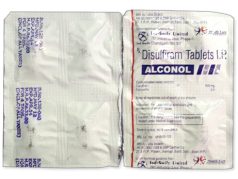
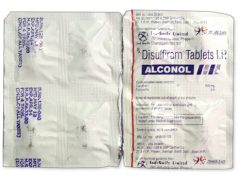
Disulfiram, known commercially as Antabuse, works differently by creating an unpleasant physical reaction if alcohol is consumed. When taken daily, it acts as a deterrent, creating negative consequences if someone drinks, thus supporting motivation for abstinence. Benzodiazepines such as diazepam are sometimes used short-term to manage acute withdrawal symptoms under medical supervision, as alcohol withdrawal can be medically serious and potentially dangerous.
Alcohol withdrawal can be serious and requires proper medical management. Symptoms range from mild to severe, including tremors, anxiety, sweating, nausea, and in severe cases, seizures or delirium tremens. Australian healthcare providers recommend medically supervised withdrawal for safety and comfort.
General practitioners and addiction specialists in Australia assess withdrawal severity using standardised tools. Mild to moderate withdrawal is often managed in outpatient settings with appropriate medications and regular monitoring. Severe withdrawal typically requires hospital admission for intensive medical supervision and management.
During withdrawal, healthcare providers may prescribe medications to ease symptoms and prevent complications. Thiamine supplementation is routinely given to prevent nutritional deficiencies common in heavy alcohol users. Magnesium supplements may be provided to prevent seizures and manage tremors. Proper hydration and electrolyte balance are maintained through careful monitoring and intervention. Psychological support during withdrawal is equally important, with counselling, cognitive behavioural therapy, and motivational interviewing helping individuals understand their triggers and develop coping strategies for long-term recovery success.
Beyond medications, comprehensive alcoholism treatment in Australia includes psychological interventions and structured rehabilitation programs. Cognitive behavioural therapy helps patients identify thoughts and behaviours that trigger drinking and develop healthier coping mechanisms. Motivational interviewing enhances an individual's intrinsic motivation to change harmful drinking patterns.
Group therapy and support meetings provide community and shared experiences. Many rehabilitation centres across the country offer inpatient and outpatient programs combining medical treatment, counselling, and lifestyle support. Key components of effective rehabilitation include:
These holistic approaches recognise that recovery requires addressing the whole person, not just the physical dependence.
Alcoholism frequently occurs alongside depression, anxiety, post-traumatic stress disorder, and other mental health conditions. In Australia, integrated treatment addressing both alcohol dependence and mental health disorders significantly improves outcomes.
Healthcare providers conduct comprehensive mental health assessments during alcohol dependence evaluation. Depression and anxiety may be symptoms of withdrawal or chronic alcohol use, or they may be underlying conditions. Antidepressants and anti-anxiety medications are sometimes prescribed alongside alcohol dependence medications, though careful selection is necessary to avoid substances with abuse potential.
Specialised addiction psychiatrists in Australia are skilled in managing complex cases where multiple conditions coexist. Treatment plans are individualised, considering medication interactions and each person's unique circumstances. Psychotherapy addressing underlying trauma or mental health issues often proves essential for sustained recovery. Sleep disturbances are common in alcohol dependence. While sleep medications may be temporarily helpful, addressing underlying sleep hygiene and anxiety management often provides better long-term solutions. Many Australian treatment programmes include education about healthy sleep practices and stress management techniques.
Recovery from alcoholism is a long-term process requiring ongoing support and commitment. Australian healthcare systems emphasise relapse prevention through continued follow-up appointments, medication management, and regular counselling. Many patients benefit from long-term medication therapy, with some continuing naltrexone, acamprosate, or other medications for extended periods.
Community resources throughout Australia provide continued support after formal treatment. Peer support groups meet regularly in most towns and cities. Online support communities and helplines offer accessible assistance for those unable to attend in-person meetings. The National Alcohol and Drug Hotline provides confidential information and referrals across Australia.
Lifestyle modifications support sustained recovery. Regular exercise improves mood and reduces stress, whilst proper nutrition plays an important role in restoring physical health damaged by prolonged alcohol use. Building meaningful relationships and engaging in fulfilling activities provides purpose beyond recovery. Workplace support and employee assistance programmes help many Australians maintain recovery whilst managing professional responsibilities. Workplace policies increasingly recognise alcoholism as a treatable medical condition deserving support rather than punishment.
Regular monitoring by healthcare providers helps identify early warning signs of relapse and adjust treatment accordingly. Patience and self-compassion are essential, as recovery rarely follows a perfectly linear path. Many people in Australia live fulfilling, alcohol-free lives through accessing appropriate treatment, maintaining commitment to recovery, and building strong support networks.