
Tetracycline
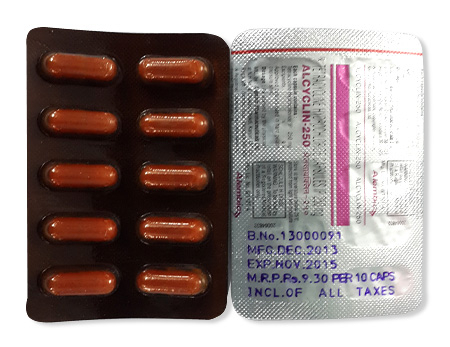
Tetracycline
- In our pharmacy, you can buy tetracycline without a prescription, with delivery across Australia in 5–14 days. Discreet and anonymous packaging is available.
- Tetracycline is a broad‑spectrum antibiotic used for respiratory, urinary, skin (including acne), ocular and certain sexually transmitted infections; it works by binding the 30S bacterial ribosomal subunit and inhibiting protein synthesis.
- Usual adult dosages are 250–500 mg orally every 6 hours for many infections; acne is commonly treated with 250 mg twice daily; severe infections may use 500 mg every 6–12 hours; paediatric dosing (if used) is ~25–50 mg/kg/day divided every 6 hours but it is not recommended for children under 8 years.
- Available forms include oral tablets and capsules (100 mg, 250 mg, 500 mg), oral syrup (125 mg/5 mL), topical ointment (3%), eye ointment (1%), and less commonly powder/vial for injection.
- Antibacterial activity begins within a few hours of dosing, with many patients experiencing symptom improvement within 24–72 hours.
- Plasma levels are typically effective for about 6–12 hours (hence regular dosing every 6–12 hours); treatment courses vary from 7–14 days for acute infections to weeks or months for acne.
- Avoid excessive alcohol while taking tetracycline as it may worsen side effects and hepatic strain; also avoid dairy, iron, magnesium, calcium or antacids within 2 hours of a dose as they reduce absorption.
- The most common side effect is gastrointestinal upset, particularly nausea (also vomiting, diarrhoea and abdominal pain are frequent).
- Would you like to try tetracycline without a prescription?




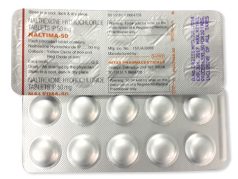
Basic Tetracycline Information
- INN (International Nonproprietary Name): Tetracycline
- Brand Names Available In Australia: not specified
- ATC Code: J01AA07; A01AB13; D06AA04; S01AA09; S02AA08; S03AA02
- Forms & Dosages: Tablets 100 mg, 250 mg, 500 mg; Capsules 250 mg, 500 mg; Oral syrup 125 mg/5 mL; Ointment 3%; Eye ointment 1%; Powder/vial 500 mg, 1 g (less common)
- Manufacturers In Australia: not specified
- Registration Status In Australia: not specified
- OTC / Rx Classification: Prescription-only (Rx) for systemic forms; OTC or Rx for topical/ophthalmic depending on local law
Latest Research Highlights
Clinicians ask whether tetracycline still has a role in 2025 clinical practice and what the safety profile looks like.
Recent systematic reviews and stewardship surveillance (2022–2025) report declining routine use of older tetracyclines in many high‑income settings as doxycycline and minocycline become favoured alternatives.
Most consistent clinical benefit for tetracycline is in skin and soft‑tissue infections, acne and select atypical infections according to pooled international analyses.
Australian pharmacoepidemiology and TGA adverse‑event reporting up to 2025 emphasise photosensitivity, gastrointestinal upset and rare hepatic/renal signals when used with high‑risk co‑medications.
Global meta‑analyses show tetracycline‑class efficacy comparable to erythromycin for acne but with a higher photosensitivity rate compared with doxycycline.
Emerging trial data support topical 3% formulations for mild‑to‑moderate acne with fewer systemic effects.
Real data points: INN = Tetracycline; common forms include tablets 100/250/500 mg and ointment 3%.
Clinical Effectiveness In Australia
Patients often want to know whether tetracycline will clear their infection compared with doxycycline.
Tetracycline remains effective for defined indications such as acne and some atypical pathogens in Australian practice, but it is less preferred than doxycycline or minocycline when better bioavailability or dosing convenience is needed.
PBS prescribing trends show reduced volumes for systemic tetracycline while topical and ophthalmic products remain steady in selected uses.
Australian hospitals tend to use tetracycline selectively and primary care or telehealth clinicians more commonly choose doxycycline for respiratory and chlamydial cases unless contraindications exist.
Adherence is a driver of outcomes; four‑times‑daily regimens with tetracycline reduce adherence compared with once‑ or twice‑daily doxycycline or minocycline.
ATC classification of interest: J01AA07 and topical dermatological D06AA04; tablet strengths commonly seen are 100/250/500 mg.
Indications & Expanded Uses
Many readers ask what conditions tetracycline treats and whether off‑label use is common.
TGA‑aligned indications mirror global labelling: systemic therapy for susceptible bacterial infections, topical and ophthalmic use for local infections, and dermatological use for acne.
Off‑label Australian practice occasionally uses tetracycline in trachoma control efforts, as adjunctive therapy for Q fever and for certain atypical pathogens where alternatives are unsuitable.
Absolute contraindications include pregnancy, breastfeeding and children under eight years due to tooth and bone effects.
Treatment durations vary by condition: acute infections typically 7–14 days and acne often requires weeks to months.
Standard dosages include 250–500 mg every six hours for many systemic infections, 250 mg twice daily for acne and topical 3% ointment for localised lesions.
Composition & Brand Landscape
Customers commonly ask which brands exist and what dose forms they can expect at the pharmacy.
The active ingredient is tetracycline hydrochloride (INN: Tetracycline).
Global brand names include Achromycin V, Sumycin, Tetraciclina, Tetracycline Actavis, Panmycin and Tetracyn with packaging from tablets 100/250/500 mg to ointments 3% and eye ointments 1%.
In Australia, systemic tetracycline formulations are mostly supplied as generics while topical and ophthalmic products may be available from various suppliers or compounding pharmacies — local manufacturer data not specified in the source file.
Packaging may be blister packs, bottles or aluminium ointment tubes depending on supplier and regulation.
Contraindications & Special Precautions
People often worry about safety in pregnancy, children and older adults.
Absolute contraindications are known hypersensitivity to tetracyclines, pregnancy, breastfeeding and children under eight years because of permanent tooth discolouration and enamel hypoplasia risk.
Relative cautions include renal or hepatic impairment, photosensitivity disorders and concurrent use of retinoids or anticoagulants.
Culturally safe counselling is particularly important for Indigenous and remote Australians, with clear discussion about teratogenic and dental risks and consideration of pregnancy testing where appropriate.
Daily‑life advice: avoid prolonged sun exposure, wear sunscreen, take with a full glass of water and do not lie down immediately after a dose to reduce oesophageal irritation.
Storage note: do not use ointments past expiry — expired tetracycline has been linked to Fanconi‑like syndrome.
Dosage Guidelines
Common patient questions include which dose to take and how to manage missed doses.
Standard adult dosing in Australia for uncomplicated infections is generally 250–500 mg every six hours.
For acne, a commonly used systemic regimen is 250 mg twice daily while topical 3% ointment is an alternative with lower systemic exposure.
Severe atypical infections may require 500 mg every 6–12 hours depending on severity and clinician judgement.
Paediatric use is usually avoided in children under eight years; if essential the usual guidance is 25–50 mg/kg/day divided every 6 hours.
Renal or hepatic impairment warrants dose reduction and specialist input, and malaria prophylaxis protocols may use 250 mg daily in some regimens.
Counselling: separate doses from dairy, iron, calcium or antacids by at least two hours.
Interactions Overview
Patients frequently ask whether they can take tetracycline with supplements, warfarin or other medicines.
Major interactions include divalent cations — calcium, iron and magnesium — and antacids, which substantially reduce absorption; advise at least a two‑hour separation.
Co‑administration with warfarin may increase anticoagulant effect and requires INR monitoring.
Concurrent retinoids raise the risk of intracranial hypertension and should be avoided where possible.
Additive nephrotoxicity with certain agents is reported; monitor renal function when combining with potentially nephrotoxic drugs.
Alcohol has no direct pharmacokinetic interaction but may worsen adherence and increase hepatic risk with chronic use.
Practical checklist for pharmacists: confirm supplements, warfarin, retinoids and antacids before dispensing and provide monitoring advice.
Cultural Perceptions & Patient Habits
Many Australians compare price and pharmacy service when choosing antibiotics.
Price sensitivity and PBS subsidy status strongly influence choice, with patients often trusting pharmacists at national chains for practical advice.
Rural and remote patients frequently access care through telehealth and rely on e‑prescriptions and mail‑order dispensing.
Online forums commonly voice concerns about tooth staining, sun sensitivity and antibiotic resistance when discussing tetracycline for acne.
Topical acne users tend to prefer options with fewer systemic effects, reflecting the emerging evidence for 3% topical formulations.
When counselling Indigenous Australians, culturally safe messaging should cover family planning, pregnancy risks and household factors that increase infection spread.
Availability & Pricing Patterns
Readers want to know whether tetracycline is easy to get and how much it costs.
Systemic tetracycline is prescription‑only in most jurisdictions while topical and ophthalmic forms may be OTC or prescription depending on local regulation.
Retail chains such as Chemist Warehouse, Priceline and TerryWhite Chemmart commonly stock topical and ophthalmic products, while systemic tablets are dispensed from community pharmacies on prescription.
PBS listing depends on the exact formulation and schedule; uninsured patients compare private prices across major chains and online sellers.
Telehealth services increasingly issue e‑prescriptions fulfilled by national dispensaries with rural delivery options.
Purchase note: in our online pharmacy, tetracycline is available without a prescription, with discreet delivery to Australia in 5‑14 days.
Comparable Medicines And Preferences
Clinicians and patients ask why doxycycline or minocycline are often chosen over tetracycline.
Doxycycline and minocycline offer improved pharmacokinetics and once‑ or twice‑daily dosing, which typically improves adherence compared with some tetracycline regimens that are given four times daily.
Other alternatives for acne include lymecycline and sarecycline, while macrolides such as azithromycin or erythromycin are used for some respiratory infections.
Topical clindamycin and benzoyl peroxide are useful non‑systemic acne options.
Pros of tetracycline include low cost generics and a topical option for localised acne; cons include more frequent dosing, higher photosensitivity and stronger divalent cation interactions.
Prescribers often prefer doxycycline for respiratory and sexual health indications because of convenience and an extensive evidence base.
Frequently Asked Questions
Patients commonly bring quick practical questions to the pharmacy counter.
Q: Can I take tetracycline with milk?
A: No — dairy reduces absorption; separate by at least two hours.
Q: Is tetracycline safe in pregnancy?
A: No — tetracycline is contraindicated in pregnancy due to fetal bone and tooth effects.
Q: What if I miss a dose?
A: Take the dose as soon as you remember unless it’s close to the next scheduled dose; do not double up.
Q: Can I buy topical tetracycline over the counter?
A: Some topical and ophthalmic formulations vary by product and state; systemic tablets are prescription‑only in most areas.
Definitions for patient leaflets: photosensitivity — increased sensitivity to sunlight causing burns or rashes; Fanconi‑like syndrome — rare kidney injury associated with expired tetracycline.
Guidelines For Proper Use
Pharmacists routinely follow a checklist to ensure safe dispensing and counselling.
Confirm the indication, pregnancy status, age (especially under eight years), current medications such as warfarin, retinoids and antacids, and renal or hepatic history before dispensing.
Advise patients to take tetracycline with a full glass of water, avoid lying down immediately afterwards and separate it from dairy, iron and antacids by two hours.
Recommend sun protection and advise patients to report severe gastrointestinal symptoms, allergic reactions or visual changes promptly.
For PBS‑subsidised patients, check prescription authority and offer generic substitution options where appropriate.
Document counselling in the dispensing record and refer back to the prescriber for pregnancy testing or alternative therapy when indicated.
Delivery Across Australia
| City | Region | Delivery Time |
|---|---|---|
| Sydney | New South Wales | 5-7 days |
| Melbourne | Victoria | 5-7 days |
| Brisbane | Queensland | 5-7 days |
| Perth | Western Australia | 5-7 days |
| Adelaide | South Australia | 5-7 days |
| Canberra | Australian Capital Territory | 5-7 days |
| Hobart | Tasmania | 5-7 days |
| Darwin | Northern Territory | 5-9 days |
| Gold Coast | Queensland | 5-9 days |
| Newcastle | New South Wales | 5-9 days |
| Wollongong | New South Wales | 5-9 days |
| Geelong | Victoria | 5-9 days |
| Cairns | Queensland | 5-9 days |
| Townsville | Queensland | 5-9 days |
| Ballarat | Victoria | 5-9 days |