
Clotrimazole
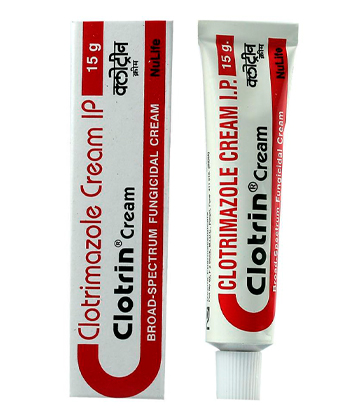
Clotrimazole
- In our pharmacy you can buy clotrimazole without a prescription; it is widely available OTC in community pharmacies and online e‑pharmacies across Australia as creams, lotions, powders, solutions and vaginal tablets, with discreet delivery options.
- Clotrimazole is an antifungal (an imidazole) used to treat superficial fungal infections such as tinea (athlete’s foot, ringworm, jock itch), vulvovaginal candidiasis and oropharyngeal thrush; it works by inhibiting the fungal cytochrome P450 enzyme 14α‑demethylase, disrupting ergosterol synthesis and damaging the fungal cell membrane.
- Usual dosage: for tinea apply 1% cream 2–3 times daily for 2–4 weeks (continue at least 2 weeks after symptoms resolve); for vulvovaginal candidiasis use 100 mg vaginal tablet nightly for 6 nights or a single 500 mg tablet; for oropharyngeal candidiasis use a 10 mg lozenge to dissolve in the mouth five times daily for up to 14 days.
- Form of administration: topical creams, lotions, powders and solutions (1%), vaginal tablets/ovules (100 mg, 500 mg) for insertion, and oral lozenges for oropharyngeal use.
- Onset time: symptomatic relief is often felt within 24–72 hours for topical or vaginal treatments, though noticeable improvement and cure may take several days to weeks.
- Duration of action: depends on formulation—topical courses are usually continued for 2–4 weeks to eradicate infection; a single 500 mg vaginal tablet provides a one‑dose therapeutic effect, while complete cure timelines vary by infection (days to weeks).
- Alcohol warning: there is no specific alcohol prohibition for topical or vaginal clotrimazole, but avoid excessive alcohol if you have liver disease or are taking systemic antifungals; alcohol may also irritate the mouth if using lozenges.
- The most common side effect is local skin irritation (burning, itching or redness).
- Would you like to try clotrimazole without a prescription?
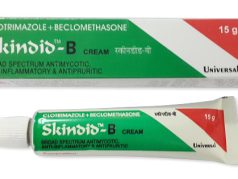
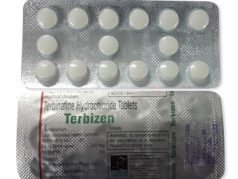

Basic Clotrimazole Information
- INN (International Nonproprietary Name): Clotrimazole
- Brand Names Available In Australia: not specified
- ATC Code: D01AC01 (topical), G01AF02 (vaginal)
- Forms & Dosages: 1% and 2% creams and solutions; 1% lotions and dusting powders; vaginal tablets 100 mg and 500 mg; 10 mg lozenges where marketed
- Manufacturers In Australia: not specified
- Registration Status In Australia: not specified
- OTC / Rx Classification: 1% topical creams, solutions and dusting powders are generally OTC in most countries; vaginal tablets or higher strength/combination products may be Rx depending on jurisdiction
Latest Research Highlights
Worried about whether clotrimazole still works or if resistance is a real risk?
Recent Australian and global studies from 2022–2025 reinforce clotrimazole’s role as a first‑line topical azole for superficial fungal infections while flagging resistance trends in some Candida species.
Topical clotrimazole 1% remains efficacious for tinea corporis and athlete’s foot with clinical cure rates reported as similar to other imidazoles in randomised trials.
A single‑dose 500 mg vaginal clotrimazole formulation continues to show high short‑term cure rates for uncomplicated vulvovaginal candidiasis in comparative studies.
Emerging surveillance from Europe and North America, and limited Australian laboratory reports, document rising non‑albicans Candida with reduced azole susceptibility, which matters when oral or systemic therapy is being considered.
Safety meta‑analyses from 2022–2024 show low systemic absorption and a generally benign local side‑effect profile for topical and vaginal formulations.
Comparative randomised controlled trials still favour allylamines such as terbinafine for dermatophyte infections when speed of mycological cure is the priority, but clotrimazole remains useful for mixed yeast/dermatophyte presentations.
| Drug | Indication | Outcome | Adverse Events |
|---|---|---|---|
| Clotrimazole 1% (topical) | Tinea corporis, Tinea pedis | Clinical cure rates similar to other topical imidazoles in RCTs | Local irritation uncommon; low systemic absorption |
| Clotrimazole 500 mg (vaginal single dose) | Uncomplicated vulvovaginal candidiasis | High short‑term cure rates reported for single‑dose therapy | Local burning/itching reported in a minority |
| Terbinafine (oral/topical) | Dermatophyte mycoses | Faster mycological cure vs topical azoles in comparative RCTs | Local irritation with topical; oral requires hepatic caution |
Data highlight: Surveillance signals show an increase in non‑albicans Candida species with reduced azole susceptibility in some regions, so consider species identification where treatment fails or recurrences happen.
Clinical Effectiveness In Australia
Not sure how well clotrimazole performs in everyday Australian practice?
Australian primary care follows international RCT evidence together with TGA adverse event reports and local laboratory susceptibility information when available.
For common skin mycoses, clotrimazole 1% cream applied two to three times daily for two to four weeks achieves clinical improvement in the majority of community cases.
For vulvovaginal candidiasis, either a 100 mg vaginal pessary nightly for six nights or a single 500 mg tablet are widely used treatment options.
PBS coverage for most OTC topical forms is limited, so community purchases are generally out‑of‑pocket unless a prescription is required for recurrent or complicated infections.
TGA‑reported adverse events are predominantly local irritation, with systemic reactions being rare because topical absorption is minimal.
| Measure | Typical Australian Outcome |
|---|---|
| Symptom Resolution | Majority improve within 2–4 weeks for skin infections |
| Mycological Cure | Comparable to other topical azoles for yeast; slower than terbinafine for dermatophytes |
| Adverse Events | Local irritation or burning; systemic events rare per TGA data |
In pharmacy clinics and general practice, pharmacists and GPs report high patient satisfaction with symptomatic relief from clotrimazole products, but clinicians escalate to oral agents for recalcitrant or non‑albicans infections.
Indications And Expanded Uses
Which conditions is clotrimazole suitable for and when should you see a clinician?
Approved indications align with TGA‑aligned and global approvals: topical treatment of dermatophytoses such as tinea pedis, corporis and cruris, superficial candidiasis including cutaneous thrush, and vaginal thrush with pessaries or tablets.
ATC classification for clotrimazole is D01AC01 for topical use and G01AF02 for vaginal use.
Off‑label Australian practices include short courses combining topical corticosteroids with clotrimazole for inflammatory fungal dermatoses under supervision, and selective dermatology clinic use for mixed infections.
Some veterinary use exists for ringworm in pets under veterinary supervision, but human formulations and dosing differ and direct substitution is not recommended.
- Approved Indications: Tinea (athlete’s foot, ringworm, jock itch), cutaneous candidiasis, vulvovaginal candidiasis, oropharyngeal candidiasis where lozenges are marketed.
- Off‑Label/Clinical Caveats: Combination with topical steroid for short, supervised courses only; avoid systemic interpretation of single‑dose vaginal use for invasive disease.
In retail pharmacy settings such as Chemist Warehouse, Priceline and independents, pharmacists commonly counsel patients who self‑select OTC products and guide the choice of cream versus pessary depending on infection site and patient preference.
Composition And Brand Landscape
Which formulations and brands should pharmacists and consumers expect to see on shelf?
The active ingredient is clotrimazole, an imidazole antifungal listed under the INN clotrimazole.
Common presentations include 1% creams, 1% lotions/solutions, 1% dusting powders and vaginal tablets of 100 mg and 500 mg.
Major international brands include Canesten (Bayer) and Gyne‑Lotrimin (Schering‑Plough) alongside many generic manufacturers such as Ranbaxy, Teva, Glenmark and others.
| Form | Strength | Brand Examples |
|---|---|---|
| Cream | 1%, 2% | Canesten, Lotrimin, Clotrimaderm |
| Vaginal Tablet/Pessary | 100 mg, 500 mg | Canesten V, Gyne‑Lotrimin |
| Solution/Lotion | 1% | Lotrimin AF, Canesten solution |
| Dusting Powder | 1% | Abzorb, Canesten dusting powder |
Price‑sensitive consumers often choose private‑label generics at discount chains or online retailers, while Canesten typically carries a retail premium.
Contraindications And Special Precautions
What safety checks should a pharmacist make before recommending clotrimazole?
The absolute contraindication is known hypersensitivity to clotrimazole or other imidazoles.
Never use clotrimazole in the eyes.
Avoid application to extensive broken or inflamed skin because absorption may increase and the risk of irritation rises.
Monitor for sensitisation with prolonged or repeated use and stop the product if severe local reactions occur.
Topical and vaginal use in pregnancy and lactation is generally considered acceptable, but product information recommends consultation with a clinician.
- High‑Risk Groups: Elderly with thin skin, immunocompromised patients who may require systemic therapy, and Aboriginal and Torres Strait Islander communities where access delays can affect outcomes.
- Daily‑Life Advice: No driving or work restrictions; advise against sharing towels and encourage keeping treated areas clean and dry.
Dosage Guidelines
How should clotrimazole be used for different infections and age groups?
For tinea such as athlete’s foot, apply clotrimazole 1% cream two to three times daily for two to four weeks, continuing for at least two weeks after symptoms resolve.
For vulvovaginal candidiasis, options include a 100 mg vaginal tablet nightly for six nights or a single 500 mg tablet depending on the product selected.
Where lozenges are marketed for oropharyngeal candidiasis, the usual regimen is a 10 mg lozenge dissolved five times daily, though availability varies by market.
Children may use topical regimens under supervision; vaginal or oral use in children is generally avoided unless prescribed.
Elderly patients generally require no dose adjustment but should be monitored for increased skin sensitivity.
| Indication | Formulation | Dose & Duration |
|---|---|---|
| Tinea (skin) | 1% cream | Apply 2–3 times daily for 2–4 weeks, continue 2 weeks after symptoms clear |
| Vulvovaginal Candidiasis | 100 mg pessary or 500 mg tablet | 100 mg nightly for 6 nights or single 500 mg dose |
| Oropharyngeal Candidiasis | 10 mg lozenge | Dissolve 5 times daily for up to 14 days where available |
Many OTC topical products are not PBS‑subsidised, so purchases are often out‑of‑pocket.
Interactions Overview
Will clotrimazole interact with my usual medicines?
Topical and vaginal clotrimazole have minimal systemic absorption, so clinically significant drug–drug interactions are uncommon for these forms.
Systemic azoles carry hepatic metabolism interactions, but topical/vaginal formulations rarely produce relevant systemic exposure unless used over large areas or broken skin.
In severe liver disease consider specialist advice if systemic azoles are contemplated, since oral azoles require hepatic caution.
Primary interaction concerns in community practice relate to local irritation that may impair adherence.
In elderly polypharmacy review topical product lists to avoid adding multiple irritant preparations, and avoid concurrent potent topical corticosteroids unless directed clinically.
Key point: Minimal interaction risk for topical forms, but seek medical review for systemic therapy, severe liver disease or immunocompromise.
Cultural Perceptions And Patient Habits
How do Australians typically shop for and use clotrimazole products?
Many Australians self‑treat superficial fungal infections and rely on pharmacists for product choice and advice.
Price sensitivity is strong, with discount chains and online pharmacies often undercutting major retail chains and prompting customers to favour generic or private‑label options.
Urban patients usually have immediate retail access, while rural and remote patients increasingly use telehealth and mail‑order e‑pharmacies which can delay treatment start for symptomatic infections.
In Indigenous health contexts, culturally safe care and improved access are important because remote housing conditions and delayed care increase reinfection risk.
Patient preferences commonly favour the single‑dose 500 mg vaginal treatment for convenience, while creams remain the preferred format for tinea.
| Setting | Access Pathway |
|---|---|
| Urban | Walk‑in retail pharmacy or chain store |
| Rural/Remote | Telehealth e‑prescription and mail delivery from e‑pharmacy |
Pharmacists play an important triage role, escalating persistent, severe or atypical cases to a GP for microscopy, culture and possible systemic treatment.
Availability And Pricing Patterns
Where can you buy clotrimazole and what will it cost?
Clotrimazole 1% topical products are widely available OTC across Australian retailers including Chemist Warehouse, Priceline, TerryWhite Chemmart, independent pharmacies and online e‑pharmacies.
Vaginal tablets of 100 mg and 500 mg are frequently sold OTC but may be supplied behind the counter with pharmacist advice in some outlets; prescription options exist for recurrent infections.
PBS coverage for most OTC topical clotrimazole is limited so most purchases are out‑of‑pocket, while prescription variants may attract subsidy depending on clinical criteria.
Price patterns show private‑label generics and discount chains offering the lowest prices, while branded Canesten is usually priced higher.
In our online pharmacy, clotrimazole is available without a prescription, with discreet delivery to Australia in 5‑14 days.
| Retail Channel | Typical Price Range (AUD) | Delivery Timeframe |
|---|---|---|
| Discount Chains (Chemist Warehouse) | Low | 1–5 days local pickup or 2–7 days delivery |
| Major Pharmacy Chains (Priceline) | Medium | 1–5 days local pickup or 2–7 days delivery |
| Independent Pharmacies | Variable | 1–7 days |
| Online E‑Pharmacies | Low–Medium | 5–14 days (mail delivery) |
Comparable Medicines And Preferences
Which alternatives should a pharmacist discuss when a patient asks about options?
Main topical alternatives in Australia include miconazole, econazole and ketoconazole, while terbinafine is commonly preferred for dermatophyte infections because it tends to give a faster mycological cure.
Clotrimazole is often chosen for vulvovaginal candidiasis and mixed yeast/dermatophyte presentations, given its broad topical spectrum and OTC accessibility.
| Medicine | Typical Use Case | Speed Of Cure | Side‑Effect Profile |
|---|---|---|---|
| Clotrimazole | Thrush, mixed infections, topical tinea | Moderate; effective with longer courses | Low systemic absorption; local irritation possible |
| Terbinafine | Dermatophyte infections (tinea) | Faster mycological cure | Topical irritation; oral forms need hepatic monitoring |
| Miconazole | Topical yeast and dermatophyte infections | Similar to clotrimazole | Local irritation possible |
In practice, pharmacists recommend terbinafine for stubborn tinea, clotrimazole for thrush or mixed presentations, and suggest GP referral if infections recur or fail therapy.
Frequently Asked Questions
- How long should I use clotrimazole cream for athlete’s foot?
Apply 1% cream two to three times daily for two to four weeks and continue for at least two weeks after symptoms clear to reduce recurrence.
- Is clotrimazole safe in pregnancy?
Topical and vaginal clotrimazole are generally considered acceptable in pregnancy, but discuss with your GP or pharmacist before use because product information advises consultation.
- When should I see a GP?
See a GP if symptoms persist after a full course, recur frequently, involve the nails or scalp, are severe, or if you are immunocompromised; microscopy or culture may be needed and systemic therapy considered.
- Can I use the same cream for my pet?
No — veterinary dosing and products differ, so consult your vet before using human products on animals for conditions like ringworm.
When To Escalate: Persistent symptoms after appropriate duration, signs of spreading infection, systemic symptoms, nail or scalp involvement, pregnancy with recurrent thrush.
For rural patients, telehealth e‑prescriptions and mail delivery can speed access to prescription options when OTC products are insufficient.
Guidelines For Proper Use
What should a pharmacist tell a patient when they buy clotrimazole?
Confirm the suspected diagnosis (tinea vs thrush) and choose the correct formulation: cream for skin, pessary/tablet for vaginal thrush, lozenge where available for oral thrush.
Demonstrate application: use a small amount, spread a thin layer over the affected area and surrounding skin, and for athlete’s foot keep the feet dry and change socks regularly.
Set a realistic duration: two to four weeks for tinea and one to six days for vaginal tablet options depending on product instructions.
Warn about local irritation and advise stopping therapy if severe reactions occur and seeking medical review.
Storage: keep below 25°C, away from direct sunlight and moisture, and do not freeze creams or lotions.
- Missed Dose: Apply as soon as remembered; do not double up.
- Infection Control: Avoid sharing towels, wash bedding and treat footwear to reduce reinfection.
Recommend GP referral for recurrent infections and consider PBS options if prescription therapy is needed after clinical assessment.
Delivery Across Australia
| City | Region | Delivery time |
|---|---|---|
| Sydney | New South Wales | 5-7 days |
| Melbourne | Victoria | 5-7 days |
| Brisbane | Queensland | 5-7 days |
| Perth | Western Australia | 5-7 days |
| Adelaide | South Australia | 5-7 days |
| Canberra | Australian Capital Territory | 5-7 days |
| Hobart | Tasmania | 5-7 days |
| Darwin | Northern Territory | 5-7 days |
| Gold Coast | Queensland | 5-9 days |
| Newcastle | New South Wales | 5-9 days |
| Wollongong | New South Wales | 5-9 days |
| Geelong | Victoria | 5-9 days |
| Townsville | Queensland | 5-9 days |
| Cairns | Queensland | 5-9 days |
| Albury | New South Wales | 5-9 days |
Final Practical Notes
Clotrimazole is a reliable topical antifungal for many superficial infections and remains a practical OTC choice for thrush and many skin fungal infections.
Keep an eye on clinical response and consider species identification or GP referral if infections are recurrent, fail to respond or are severe.
Pharmacists should counsel on correct formulation selection, duration of therapy and basic infection control to reduce recurrence.
When systemic therapy is under consideration, evaluate liver function and consult guidelines because oral azoles have different interaction and safety profiles than topical clotrimazole.
If in doubt, advise the patient to see a GP for microscopy/culture and prescription options that may be PBS‑subsidised depending on clinical need.