Fungal infections affect millions of people worldwide and can range from mild to severe depending on the type of fungus and the individual's immune system. Antifungal medications are designed to treat these infections by either killing the fungus or stopping its growth. In Australia, antifungals are available in various forms including tablets, creams, sprays, and oral solutions to address different types of fungal infections. Understanding how these medications work and when to use them is essential for effective treatment.
Fungal infections can occur on the skin, nails, scalp, or internally, and the severity varies greatly. Some infections are superficial and cause only minor discomfort, whilst others can be serious and require professional medical attention. Antifungal medications work by targeting the fungal cell wall or disrupting cellular functions that are specific to fungal organisms. This means they're effective at eliminating the infection whilst having minimal impact on human cells. When selecting an antifungal treatment, it's important to identify the specific type of fungus causing the infection, as different fungi respond to different medications.
Athlete's foot is one of the most common fungal infections, particularly among active individuals and those who frequent warm, moist environments. This infection typically appears between the toes and can cause itching, burning, and peeling skin. Popular antifungal treatments for athlete's foot in Australia include tolnaftate creams, terbinafine products, and miconazole preparations. Most cases respond well to topical treatments applied directly to the affected area for several weeks.
Candida infections are caused by yeast and can affect various parts of the body including the mouth, throat, and genital areas. Oral thrush and vaginal yeast infections are particularly common and can be treated with fluconazole tablets, clotrimazole lozenges, or topical cream preparations available at Australian pharmacies. These infections often occur when the body's natural balance of bacteria and yeast is disrupted, such as after antibiotic use or during immune system weakness.
Despite its name, ringworm is actually a fungal infection, not caused by a worm. It appears as a circular rash and can affect the skin, scalp, or nails. Antifungal creams containing terbinafine or miconazole are commonly recommended in Australia for treating ringworm on the body. For scalp ringworm, oral antifungals may be necessary for adequate penetration and treatment.
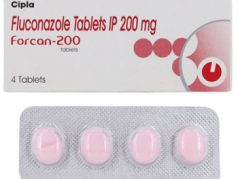
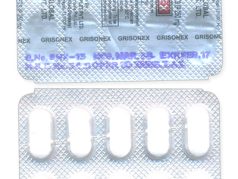
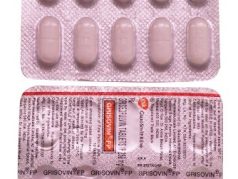
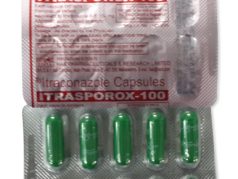
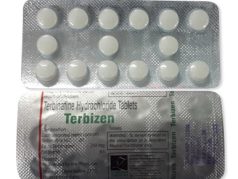
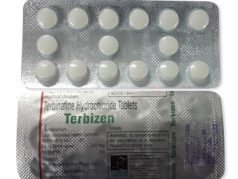
Fluconazole is one of the most widely prescribed oral antifungals in Australia for treating systemic yeast infections and serious fungal conditions. Terbinafine tablets are another popular option, particularly effective for nail fungal infections and more stubborn skin conditions. These medications are typically available with a prescription and work systemically throughout the body to eliminate fungal infections from within. Itraconazole is also available and used for various fungal infections that require systemic treatment.
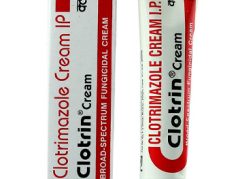
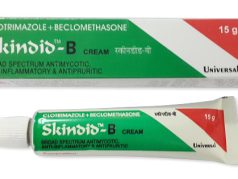
Clotrimazole creams are widely available at Australian pharmacies both with and without prescription, making them accessible for treating various fungal infections. Miconazole nitrate is another popular topical option that effectively treats many common fungal infections. Terbinafine cream is available under various brand names and is particularly effective for athlete's foot and other dermatophyte infections. These topical treatments are usually applied twice daily to clean, dry skin for two to four weeks.
For areas prone to moisture and sweating, antifungal sprays and powders provide convenient prevention and treatment options. These products often contain tolnaftate or undecylenic acid and are particularly useful for feet and groin areas. Many Australians prefer sprays for their ease of application and quick-drying properties, especially during warmer months.
Proper application of topical antifungals is crucial for successful treatment. The affected area should be thoroughly cleaned and completely dried before applying any cream or ointment, as fungal growth is promoted by moisture. Most topical antifungals require application twice daily, and treatment should continue for at least two weeks after symptoms disappear to prevent recurrence. For oral medications, it's important to follow your doctor's prescribed dosage and complete the full course even if symptoms improve early.
The length of antifungal treatment depends on the type of infection and the severity. Superficial skin infections typically resolve within two to four weeks of consistent topical treatment. Nail fungal infections often require longer treatment periods, sometimes three to six months or more for complete cure. Oral antifungals for systemic infections require strict adherence to the prescribed timeline for optimal results.
If an infection doesn't improve after two weeks of treatment or worsens despite using antifungals, it's essential to consult a healthcare professional. Some infections may require stronger prescription medications or oral treatments rather than topical options. Medical attention is also necessary if the infection spreads, causes severe symptoms, or if you have signs of a more serious fungal condition.
Keeping skin clean and dry is fundamental to preventing fungal infections. After bathing, ensure all areas are thoroughly dried, particularly between toes and in skin folds. Wearing breathable clothing and changing out of damp clothes promptly reduces the environment where fungi thrive. Regularly washing bedding and towels in hot water prevents the spread of fungal spores. Consider implementing these key prevention strategies:
Fungal infections often occur in warm, moist environments. In shared spaces like gym facilities and communal showers, wearing protective footwear such as flip-flops or shower shoes significantly reduces infection risk. Regularly cleaning and drying bathroom areas helps prevent fungal growth. Those with recurrent infections should ensure their living spaces have good ventilation and appropriate humidity levels.
Many effective antifungal creams and topical treatments are available at Australian pharmacies without requiring a prescription. These include clotrimazole preparations, tolnaftate products, and various branded antifungal creams. Pharmacists can provide guidance on selecting appropriate treatments for specific fungal infections and can advise whether prescription-strength medication might be necessary.
Whilst many minor fungal infections respond well to over-the-counter treatments, certain situations warrant professional consultation. Infections affecting nails, scalp, or mouth often require prescription-strength oral medications. If you're pregnant, breastfeeding, or taking other medications, consulting a healthcare professional before using antifungals is important to ensure safety and avoid interactions. Your pharmacist or doctor can help determine the most appropriate treatment option for your specific situation and provide ongoing support throughout your treatment journey.