
Terbinafine
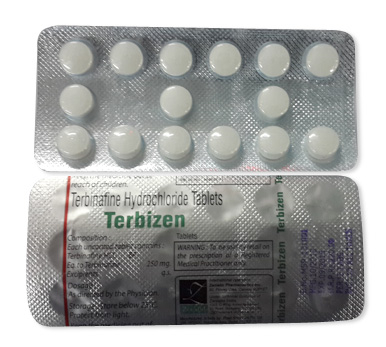
Terbinafine
- In our pharmacy, topical terbinafine (1% cream or spray) can be purchased without a prescription and shipped across Australia (discreet packaging, delivery typically 5–14 days); oral terbinafine tablets (250 mg) are prescription-only and cannot be supplied without a script.
- Terbinafine is used to treat fungal infections such as onychomycosis (nail fungus), tinea pedis (athlete’s foot), tinea cruris (jock itch), tinea corporis (ringworm) and tinea capitis; it is an allylamine antifungal that inhibits fungal squalene epoxidase, disrupting ergosterol synthesis and damaging the fungal cell membrane.
- The usual dose for adults is terbinafine 250 mg orally once daily for systemic infections (e.g. 6 weeks for fingernail, 12 weeks for toenail); topical 1% cream or spray is typically applied once or twice daily for 1–4 weeks depending on the infection; paediatric dosing uses weight‑based granules (e.g. 125 mg, 187.5 mg) for tinea capitis.
- Administration forms include oral tablets (250 mg), oral granules/sachets for children, and topical 1% formulations as cream, spray or gel for affected skin or nails.
- Topical terbinafine often begins to relieve symptoms within a few days to 2 weeks; oral therapy may show clinical improvement within 2–6 weeks, while visible nail clearance can take several months as the nail grows out.
- A single oral dose has activity over about 24 hours (hence once-daily dosing); treatment courses vary by indication (topical 1–4 weeks, oral 2–12 weeks), and antifungal activity in nails can persist for months after completing systemic therapy.
- Avoid excessive alcohol while taking oral terbinafine and discuss alcohol intake with your prescriber—terbinafine can affect the liver and liver function tests are recommended before and during systemic therapy.
- The most common side effects are, for oral therapy: gastrointestinal upset (nausea, diarrhoea), taste disturbance and headache; for topical use: local irritation, redness, itching or stinging.
- Would you like to try terbinafine without a prescription?
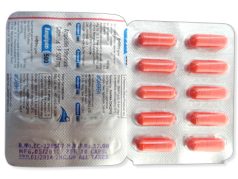
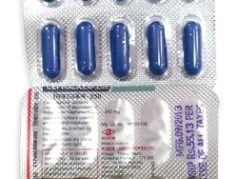
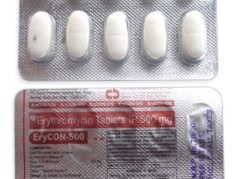
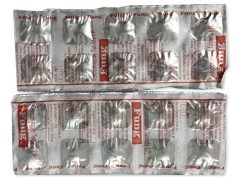
Basic Terbinafine Information
- INN (International Nonproprietary Name): Terbinafine
- Brand Names Available In Australia: Lamisil; Terbinex; generics marketed by Mylan and Taro (local importers and pharmacy brands may vary)
- ATC Code: D01BA02
- Forms & Dosages: Tablets 250 mg (oral, blisters 7/14/28); Cream 1% (topical, tubes 7 g/15 g/30 g); Spray 1% (15 ml/30 ml); Granules 125 mg and 187.5 mg sachets for paediatric use
- Manufacturers In Australia: Not specified
- Registration Status In Australia: Not specified
- OTC / Rx Classification: Oral tablets are prescription-only (Rx); topical small-pack formulations commonly available OTC in many markets
Latest Research Highlights
Worried about whether terbinafine still out-performs other antifungals for nail and skin infections?
Recent Australian and international studies between 2022 and 2025 reinforce terbinafine’s role for onychomycosis and uncomplicated dermatophyte infections.
Meta-analyses show oral terbinafine 250 mg once daily achieves higher mycological and clinical cure rates for toenail onychomycosis than oral azoles in pooled trial data.
Multiple trials report faster time-to-clearance with systemic terbinafine, especially in dermatophyte nail infections.
Australian case series and pharmacovigilance reports recorded rare but serious hepatic events, prompting TGA emphasis on baseline and on‑treatment liver monitoring.
Topical terbinafine 1% formulations remain effective for tinea corporis, cruris and pedis with substantially fewer systemic effects.
Head‑to‑head RCTs from 2022–24 show topical terbinafine often achieves comparable cure rates to topical azoles with faster symptom relief.
Paediatric evidence supports granule formulations for tinea capitis with weight-based dosing where available.
Across trials the common safety outcomes were mild gastrointestinal complaints, taste disturbance and headache while severe events (hepatotoxicity, severe cutaneous reactions) were rare.
Regulatory and prescribing practice reports recommend routine LFT screening and prompt review for symptoms suggestive of liver injury.
Clinical Effectiveness In Australia
Are Australian prescribers still choosing terbinafine as first choice for nail infections?
In everyday Australian practice oral terbinafine 250 mg once daily is regarded as the systemic gold standard for onychomycosis due to higher sustained mycological cure rates after typical 12‑week toenail regimens.
PBS listings and clinical audits support its frequent use where criteria for subsidised access are met.
TGA registries in Australia mirror global safety signals for rare hepatic adverse events, and routine baseline liver function tests with clinical vigilance reduce risk in practice.
Community pharmacy dispensing data show topical terbinafine 1% is commonly supplied OTC for tinea pedis, cruris and corporis, with good adherence where pharmacists provide clear counselling on duration and foot hygiene.
Urban clinics refer refractory onychomycosis to dermatology or podiatry faster, while rural and remote practices use telehealth and community pharmacy support for prescribing and monitoring.
Real‑world pharmacy chains such as Chemist Warehouse, Priceline and TerryWhite Chemmart play a central role in access, counselling and ensuring patients understand treatment timelines.
Indications And Expanded Uses
Not sure whether oral or topical terbinafine is appropriate for your infection?
TGA‑aligned indications include onychomycosis, tinea pedis, tinea cruris, tinea corporis and tinea capitis (paediatric formulations where available).
Topical 1% terbinafine is first‑line for limited superficial dermatophyte infections of skin.
Systemic terbinafine 250 mg once daily is indicated for nail infections (6 weeks for fingernail, 12 weeks for toenail) and for more extensive or refractory cutaneous disease (commonly 2–6 weeks depending on site).
Paediatric granules are used with weight‑band dosing for tinea capitis (for example 125 mg for under 20 kg, 187.5 mg for 20–40 kg, 250 mg for over 40 kg where granules are supplied).
Off‑label uses in clinical practice include selected cutaneous Candida presentations or mixed infections when allylamine activity is judged appropriate.
Clinicians may favour terbinafine over itraconazole in patients on multiple medicines because terbinafine has a different interaction profile, though hepatic monitoring remains essential.
Checklist: consider topical first for local skin tinea; escalate to oral terbinafine for nail infection, extensive skin disease, failed topical therapy or hair‑scalp involvement in children where granules are available.
Composition And Brand Landscape
Want to know which brands and strengths you’ll see on the shelf?
The active ingredient is terbinafine (INN) with ATC code D01BA02 indicating allylamine antifungal classification.
International brand names include Lamisil and Terbinex while multiple generics are produced by companies such as Mylan and Taro.
Available formulations include oral tablets 250 mg, topical cream 1% and spray 1%, and paediatric granules typically 125 mg and 187.5 mg sachets.
Packaging commonly ranges from 7/14/28 tablet blisters for oral forms and 7–30 g tubes or 15–30 ml spray bottles for topical products.
In Australia both Lamisil‑labelled products and generics circulate through community pharmacies and authorised online suppliers; smaller importers may supply other brand names under authorised pathways.
PBS subsidy may apply for systemic terbinafine in defined clinical situations; prescribers and pharmacists commonly check PBS criteria before starting an oral course to advise on likely cost.
Contraindications And Special Precautions
Who should not take terbinafine, and who needs extra checks?
Absolute contraindications are known hypersensitivity to terbinafine or excipients and chronic or active hepatic disease.
Relative cautions include severe renal impairment, pregnancy (systemic use generally avoided), and lactation (oral use not recommended; topical with caution).
High‑risk groups needing tailored care include older adults with polypharmacy, Aboriginal and Torres Strait Islander patients with a higher burden of comorbidities such as diabetes or chronic liver disease, and patients in remote areas where monitoring access is limited.
Advise patients about occupational risks such as dizziness or nausea and counsel those performing safety‑critical work to avoid driving or heavy machinery if symptomatic.
Recommend baseline liver function tests before systemic therapy and prompt repeat testing if patients develop jaundice, dark urine, abdominal pain, severe fatigue or unexplained bruising.
Record suspected adverse events through the TGA online portal to support population surveillance.
Dosage Guidelines
How is terbinafine dosed for nails, skin and children?
Standard adult oral dosing is 250 mg once daily for onychomycosis: 6 weeks for fingernail infections and 12 weeks for toenail infections.
Oral courses for tinea corporis or cruris are commonly 2–4 weeks, and tinea pedis 2–6 weeks depending on severity.
Topical 1% cream or spray is usually applied once or twice daily for 1–4 weeks depending on product instructions and clinical response.
Paediatric dosing uses weight bands with granules where available: for example 125 mg for children under 20 kg, 187.5 mg for 20–40 kg, and 250 mg for over 40 kg.
Elderly patients do not routinely require dose adjustment but should have hepatic and renal function monitored.
Terbinafine is contraindicated in chronic or active liver disease and should be used cautiously in severe renal impairment (CrCl <50 mL/min).
Missed‑dose advice: take as soon as remembered unless it is near the next dose; do not double up.
Interactions Overview
Will terbinafine interfere with other medicines or alcohol?
Terbinafine is metabolised in the liver and has a modest interaction profile compared with some azoles, but it inhibits CYP2D6 and can affect drugs such as certain antidepressants, beta‑blockers and antiarrhythmics.
Always check a complete medication list via eHealth or pharmacy records before starting systemic terbinafine.
Alcohol has no formal pharmacokinetic contraindication with terbinafine, but combined hepatic stress supports counselling to avoid heavy drinking while on systemic therapy.
Food and caffeine do not cause major conflicts, though taking the tablet with food can reduce gastrointestinal upset for some patients.
A pharmacist medication review is recommended when polypharmacy is present to decide whether to proceed, monitor or choose an alternative antifungal.
Cultural Perceptions And Patient Habits
What do Australian patients usually expect when starting terbinafine?
Many Australians view topical antifungals as the affordable first step and see systemic treatment as a more “serious” option that requires a prescriber’s approval.
Price sensitivity is common, and shoppers compare major chains such as Chemist Warehouse, Priceline and online pharmacies for the best value or PBS‑eligible options.
Rural and remote patients often rely on community pharmacies and telehealth for assessment and e‑prescribing, with pharmacists providing practical tips and arranging local pathology when needed.
In Indigenous communities, culturally safe advice and involvement of Aboriginal health workers improves adherence and monitoring for comorbidities that affect antifungal choice.
Online forums and social media often ask for “quick cures” for nail fungus; pharmacists must set expectations that nail clearance takes months even after fungal eradication.
Trust in pharmacists is high, and many patients will seek pharmacist advice for topical 1% terbinafine before visiting a GP for systemic therapy.
Availability And Pricing Patterns
How easy is it to buy terbinafine and what will it cost?
Topical terbinafine 1% is widely available OTC at Australian pharmacy chains and online retailers with prices varying by brand and pack size.
Oral terbinafine 250 mg is prescription‑only and dispensed at community pharmacies; PBS subsidy applies in defined clinical circumstances and may require authority approvals.
Telehealth providers frequently issue e‑prescriptions for oral terbinafine after a remote assessment, but baseline LFT arrangements should be organised locally.
Price‑sensitive consumers often choose generics (for example products from Mylan or Taro) or authorised import pathways where appropriate.
In our online pharmacy, terbinafine is available without a prescription, with discreet delivery to Australia in 5-14 days.
Comparable Medicines And Preferences
How does terbinafine compare with other antifungals for nails and skin?
Alternatives include itraconazole and fluconazole (oral azoles), ciclopirox nail lacquer, topical imidazoles and other allylamines such as naftifine.
Pros of terbinafine: higher cure rates for dermatophyte onychomycosis, typically shorter systemic course and effective topical forms for skin tinea.
Cons of terbinafine: requirement for hepatic monitoring, potential CYP2D6 interactions, and reported taste disturbance in some patients.
Itraconazole and fluconazole can be preferable for non‑dermatophyte moulds or when different interaction profiles are needed, but itraconazole has its own interaction and monitoring concerns.
Ciclopirox lacquer offers a topical nail option for patients who cannot take systemic therapy, though nail cure rates are lower.
Choice should be individualised by pathogen, comorbidity, drug interactions, PBS eligibility and patient preference.
Frequently Asked Questions
How long until my toenail clears?
Expect months rather than weeks; oral terbinafine 250 mg daily for 12 weeks treats the infection, but visible nail regrowth can take 6–12 months depending on the nail growth rate.
Do I need blood tests?
Yes — baseline liver function tests are standard before starting systemic terbinafine and repeat tests are advised if clinical symptoms suggest liver injury or per prescriber protocol.
Can I drink alcohol on terbinafine?
Avoid heavy drinking while on systemic terbinafine because of added liver stress; light alcohol in social amounts is usually acceptable but discuss individual risk with your prescriber or pharmacist.
Is topical enough for nail infections?
Topical terbinafine cream or spray is effective for skin tinea but topical therapy alone is generally insufficient for established nail infections, which usually require oral terbinafine for reliable cure.
Guidelines For Proper Use And Pharmacist Counselling
What should a pharmacist cover when a patient starts terbinafine?
Explain the indication and expected timeline: months for nails and weeks for skin conditions, emphasising adherence to the full course even after symptoms improve.
For topicals: demonstrate correct application to a clean, dry area and stress continuing treatment for the recommended duration to prevent relapse.
For orals: confirm dose 250 mg once daily and duration per indication, arrange baseline LFTs and advise on red‑flag symptoms requiring immediate review such as jaundice or severe abdominal pain.
Check interactions using eHealth and pharmacy systems, and suggest generics or PBS options to reduce cost where appropriate.
In telehealth situations: obtain patient consent for remote monitoring, arrange local pathology for baseline LFTs and provide written aftercare instructions.
For culturally safe care involve Aboriginal health workers when available, use plain language and provide a short written handout for follow up.
Delivery Across Australia
| City | Region | Delivery Time |
|---|---|---|
| Sydney | New South Wales | 5-7 days |
| Melbourne | Victoria | 5-7 days |
| Brisbane | Queensland | 5-7 days |
| Perth | Western Australia | 5-7 days |
| Adelaide | South Australia | 5-7 days |
| Canberra | Australian Capital Territory | 5-7 days |
| Hobart | Tasmania | 5-7 days |
| Darwin | Northern Territory | 5-9 days |
| Gold Coast | Queensland | 5-7 days |
| Newcastle | New South Wales | 5-9 days |
| Wollongong | New South Wales | 5-9 days |
| Geelong | Victoria | 5-9 days |
| Cairns | Queensland | 5-9 days |