Parasitic infections affect millions of people worldwide and remain a common health concern in Australia. Parasites are organisms that live on or inside a host body, feeding on nutrients and potentially causing various health problems. These infections can range from mild to severe, depending on the type of parasite and the individual's immune system.
Common parasitic infections in Australia include intestinal worms, protozoan infections, and external parasites. Symptoms may include digestive issues, fatigue, skin irritation, and nutritional deficiencies. Understanding what parasites are and how they spread is the first step in prevention and treatment. Many parasitic infections are preventable through proper hygiene, safe food handling, and clean water consumption. If you suspect a parasitic infection, it's important to consult with a healthcare professional for proper diagnosis and treatment.
Intestinal worms are among the most common parasitic infections affecting Australians. These include roundworms, hookworms, tapeworms, and threadworms. Children are particularly susceptible to threadworm infections, which can spread rapidly through schools and families.
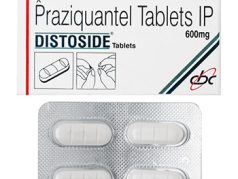
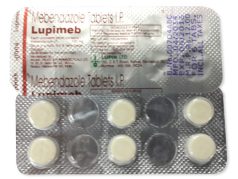
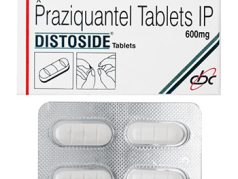
Popular antiparasitic medications available in Australia for treating intestinal worms include:
Treatment typically involves a single dose or a short course of medication, depending on the specific infection. Most medications work by paralyzing the worms, allowing them to be expelled from the body naturally. It's essential to complete the full course as prescribed, even if symptoms resolve quickly. Family members should often be treated simultaneously to prevent reinfection. Your pharmacist can recommend the most suitable option based on your specific infection type.
Protozoal infections are caused by single-celled parasites and include conditions like giardiasis, cryptosporidiosis, and amoebiasis. These infections are commonly acquired through contaminated water or food and can cause severe gastrointestinal symptoms.
Metronidazole is the most commonly prescribed antiparasitic medication for protozoal infections in Australia. It's highly effective against giardia and amoebic infections and is available in tablet and liquid formulations. Tinidazole is another effective option that offers the advantage of a shorter treatment course, making it convenient for patients.
For cryptosporidiosis, particularly in immunocompromised individuals, additional medications such as azithromycin may be recommended alongside antiparasitic agents. These infections can cause prolonged diarrhoea, abdominal cramping, and malabsorption issues. Treatment duration varies depending on the infection severity and type, typically ranging from three to ten days. Probiotics may be recommended after treatment to restore healthy gut bacteria. Always follow your healthcare provider's instructions carefully, as some protozoal infections require specific dosing schedules.
External parasites such as lice, scabies, and mites require different treatment approaches compared to internal parasitic infections. These conditions cause significant itching, skin irritation, and potential secondary infections if left untreated.
Effective external parasite treatments available in Australia include:
Treatment typically requires application of topical medications and thorough washing of clothing and bedding to prevent reinfestation. Close contacts should be treated simultaneously to break the transmission cycle. For optimal results, follow the application instructions precisely, as improper use can lead to treatment failure and continued transmission.
Prevention is always better than treatment when it comes to parasitic infections. Maintaining good personal hygiene, including regular handwashing and keeping fingernails trimmed short, significantly reduces infection risk. This is particularly important for families with young children.
Safe food preparation practices include thoroughly cooking meat, washing fresh produce, and avoiding contaminated water sources. When travelling to areas with higher parasitic infection risks, drink bottled or boiled water and avoid street food from questionable sources. Regular deworming for pets is essential, as animals can transmit parasites to humans through contact and environmental contamination.
After completing antiparasitic treatment, maintaining good hygiene practices remains crucial to prevent reinfection. Wash all bedding, clothing, and personal items in hot water if external parasites were involved. For intestinal infections, follow-up testing may be recommended to confirm successful treatment. Probiotics and dietary support can help restore gut health after parasitic infections. Your pharmacist can provide guidance on suitable probiotic products and nutritional supplements to support recovery and boost your immune system during and after treatment.
Recognising when to consult a healthcare professional is important for proper parasitic infection management. If you experience persistent digestive symptoms, unexplained weight loss, or unusual skin conditions, seek medical advice promptly.
Some parasitic infections require prescription medications that your doctor must prescribe based on diagnostic testing. Certain populations, including pregnant women, very young children, and immunocompromised individuals, need special consideration when selecting antiparasitic treatments. Self-diagnosis can be problematic, as symptoms of parasitic infections often overlap with other conditions.
Your pharmacist is an excellent resource for discussing over-the-counter antiparasitic options and can advise whether professional consultation is necessary. They can also check for potential medication interactions if you're taking other medicines. For recurring infections, your doctor may investigate underlying causes such as environmental exposure or compromised immunity. Don't hesitate to ask questions about your treatment, potential side effects, and proper usage instructions. Early professional intervention ensures appropriate treatment and prevents complications from parasitic infections.