
Permethrin
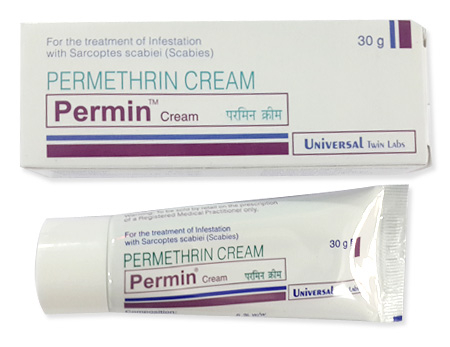
Permethrin
- In Australia you can buy some permethrin products in pharmacies without a prescription (most 1% lice lotions/creams and OTC kits are available over the counter); the 5% cream used for scabies commonly requires a prescription, although availability varies by supplier and retailer.
- Permethrin is used to treat ectoparasites — mainly scabies (mites) and head lice. It is a synthetic pyrethroid that acts on parasite nerve cell sodium channels, causing paralysis and death of the mites or lice.
- Usual doses: for scabies adults and children ≥12 years apply a full tube of 5% cream head-to-toe (leave 8–14 hours, usually overnight); children receive proportionally smaller amounts (½ tube, ¼ tube, etc. by age). For head lice, apply the 1% lotion/cream to washed hair, saturate, leave about 10 minutes then rinse; repeat after 7 days if live lice are found.
- Form of administration is topical only — cream (5%), lotion (1%), sprays (0.25–0.5%) and combination lice treatment kits.
- Onset: permethrin begins killing lice and mites within minutes to hours of application; however clinical symptoms such as itch may take days to weeks to settle as inflammation resolves.
- Duration of action: the parasiticidal effect is essentially immediate but not long‑term — a single scabies application covers the infestation period (repeat at 7 days if required); for lice a repeat treatment after 7 days is often recommended to catch newly hatched nits.
- Alcohol warning: there are no clinically significant interactions with drinking alcohol, but avoid using alcohol‑based skin products on treated areas and seek care if you become unusually drowsy or unwell after treatment.
- The most common side effect is local skin irritation — burning, stinging, itching or redness at the application site; less commonly numbness, tingling, headache or rash may occur.
- Would you like to try permethrin without a prescription?
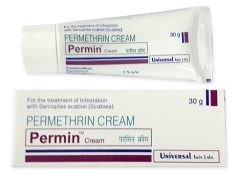
Basic Permethrin Information
- INN (International Nonproprietary Name): Permethrin
- Brand Names Available In Australia: not specified
- ATC Code: P03AC04
- Forms & Dosages: Cream 5%; Lotion 1%; Spray 0.25% and 0.5%; Combination kits for lice treatment
- Manufacturers In Australia: not specified
- Registration Status In Australia: not specified
- OTC / Rx Classification: Most 1% formulations for head lice are OTC; 5% cream for scabies is prescription (Rx) in many countries
Latest Research Highlights
Worried that permethrin no longer works where you live?
Recent studies from 2022–2025 reinforce that topical permethrin remains an effective option for ordinary scabies and head lice in most settings.
Australian cohort reports and international randomised controlled trials show that 5% permethrin cream produces comparable scabies clearance to crotamiton and is superior to placebo after a single 8–14 hour application.
Head-lice trials continue to favour 1% permethrin formulations applied as a cream rinse or lotion, with a repeat application at day 7 recommended if live lice remain.
Localised treatment failures have been documented and are increasingly attributed to reinfestation, incomplete household treatment or, in some regions, partial resistance.
Safety-signal reviews across pharmacovigilance systems report mostly mild local skin reactions and occasional transient neurological symptoms.
Systemic toxicity from topical permethrin remains rare because percutaneous absorption is minimal.
Australian research highlights the importance of outbreak control in remote Indigenous communities where rapid access, whole-of-household treatment and culturally safe education reduce transmission.
Telehealth prescribing expanded access during COVID‑19, but rural supply-chain issues and price sensitivity mean many patients prefer OTC 1% options for lice when appropriate.
Specialist-led approaches increasingly combine topical permethrin with oral ivermectin in refractory or community outbreak scenarios, supported by data from combined protocols.
Clinical Effectiveness In Australia
Can one application really cure scabies?
TGA-monitored reports and state public-health summaries indicate that permethrin 5% cream achieves clinical cure in most uncomplicated scabies after a single application left on for 8–14 hours.
A repeat application at seven days is advised if live mites or ongoing new lesions are observed.
Systematic reviews and trials for head lice mirror these outcomes for 1% permethrin rinses, especially when a second dose is used at day 7.
National adverse-event logs show predominantly local skin reactions such as burning, stinging or erythema.
Systemic adverse reports are rare and do not change the overall favourable risk–benefit profile for topical use.
In Australia, good outcomes depend on prompt diagnosis and simultaneous treatment of household contacts to prevent reinfestation.
Pharmacies are often the first point of contact, and many patients expect clear pharmacist-led counselling about correct application, laundering and follow-up.
Telehealth e‑prescriptions have improved access for patients needing 5% cream, while remote nursing services play a vital role following up treatment in communities.
Indications And Expanded Uses
What is permethrin approved to treat, and when do clinicians use it for other reasons?
Regulatory and clinical literature identifies the primary approved uses as scabies (5% cream) and head lice (1% lotion or cream rinse).
Off‑label or specialist uses reported internationally include adjunctive roles in crusted scabies and combined surface decontamination strategies for clothing and bedding, noting that surface products are not suitable for human skin.
Combination protocols pairing topical permethrin with oral ivermectin are used in refractory or severe community outbreaks under specialist supervision.
In Australia, clinicians balance TGA approvals with local epidemiology and public‑health advice, particularly in remote clinics managing community outbreaks.
Patients must be counselled that topical permethrin is intended for human ectoparasites only and that veterinary products are not interchangeable due to concentration and excipient differences.
Approved Versus Off‑Label Uses:
- Approved: Scabies (5% cream), Head Lice (1% lotion/cream rinse).
- Off‑Label / Specialist Use: Crusted scabies adjunctive therapy, combined topical plus oral regimens for refractory outbreaks, and surface insecticide use for bedding (non‑human formulations).
Composition And Brand Landscape
Which brands and formulations will I see at the pharmacy?
Permethrin is a synthetic pyrethroid with ATC code P03AC04 and is classified under ectoparasiticides and scabicides.
Common formulations are 5% cream for scabies and 1% lotion or cream rinse for lice.
Sprays at 0.25%–0.5% are produced for surface use on bedding or furniture and are not for application to human skin.
Global brands listed in public product data include Nix (cream rinse 1%), Acticin and Elimite (cream 5%), Lyclear (cream 5% and lotion 1%), Scaboma (cream 5%/lotion 1%) and various regional generics.
Major suppliers internationally include GlaxoSmithKline (Lyclear), Reckitt (Nix) and Taro Pharmaceuticals (Acticin), with local packaging and suppliers varying by market.
In Australia, availability varies by brand and registration, and pharmacies commonly stock generics or substitute brands to meet demand.
| Active Concentration | Typical Brand Examples | Register Status (TGA/PBS) |
|---|---|---|
| 5% Cream | Acticin, Elimite, Lyclear (global examples) | not specified |
| 1% Lotion / Cream Rinse | Nix, Lyclear, regional kits | OTC commonly; local registration varies |
| Spray 0.25–0.5% | Household insecticide sprays | not specified (for surface use only) |
For lay readers: ATC P03AC04 means permethrin is an antiparasitic for external use in the pyrethroid family.
Contraindications And Special Precautions
Who should avoid permethrin or take extra care?
Absolute contraindications include known hypersensitivity to permethrin, synthetic pyrethroids or any excipients in the product.
Safety has not been established in neonates under two months of age and permethrin should not be used in that age group.
Relative cautions apply in severely inflamed or weeping skin where topical absorption or irritation risk is higher.
People with ragweed allergy should use permethrin with caution because cross‑reactivity has been reported.
Common adverse reactions are local and include burning, stinging, pruritus, erythema and occasional paraesthesia at the application site.
Rare neurological complaints such as dizziness or numbness have been reported, but systemic toxicity is uncommon due to minimal absorption.
Special‑Risk Groups In Australia:
- Elderly with fragile skin: consider gentler application and watch for excessive irritation.
- Pregnant and breastfeeding women: use only when clearly needed and under clinical guidance.
- Remote Indigenous communities: ensure culturally safe counselling and coordinated household treatment.
Refer patients to a GP or specialist if severe local reaction, signs of systemic involvement, suspected ingestion or if scabies is crusted or widespread despite correct use.
Dosage Guidelines
How much should be used and for how long?
For scabies, apply permethrin 5% cream from head to toe and leave on for 8–14 hours, typically overnight.
A single application usually suffices for uncomplicated cases, with a repeat at seven days if live mites or new burrows appear.
For head lice, use 1% permethrin lotion or cream rinse on washed hair, saturate the hair and scalp, leave for around 10 minutes then rinse.
Repeat the lice treatment at day 7 if live lice or nits that are still viable are detected.
Age‑Based Amounts Commonly Described In Labels:
- Adults/Adolescents (12+ years): full 30 g or 60 g tube for scabies as required to cover head‑to‑toe.
- Children 6–12 years: up to ½ tube for scabies depending on body size.
- Children 1–5 years: up to ¼ tube for scabies.
- Infants 2 months–1 year: up to 1/8 tube; do not use under 2 months.
Missed Dose / Overdose:
Apply as soon as you remember but do not double up applications to make up a missed dose.
In case of accidental ingestion, seek emergency help; symptoms can include nausea, vomiting or CNS effects.
Interactions Overview
Will permethrin interfere with my other medicines?
Topical permethrin has minimal systemic absorption and clinically significant drug–drug interactions are uncommon.
There are no documented interactions with food or alcohol when using topical permethrin.
Theoretical cautions exist for concurrent use with neurotoxic agents, but reports are rare and not well established.
Where concern exists—such as patients with epilepsy or on multiple neuroactive drugs—advise a GP review before use.
Pharmacy counselling should reassure patients that normal dietary habits, including alcohol or coffee consumption, do not affect topical permethrin effectiveness.
Cultural Perceptions And Patient Habits
Do people feel embarrassed to ask for treatment?
Stigma around scabies and head lice influences help‑seeking and many patients try self‑treatment with OTC 1% products before seeing a GP.
Forum analyses and clinic feedback in Australia from 2022–25 show patients commonly consult pharmacists first and ask for practical, low‑cost options.
Community outbreaks in remote Indigenous populations are driven more by housing overcrowding and limited access to laundry facilities than by treatment failure alone.
Best Practice For Cultural Safety:
- Engage local health workers and community leaders when planning household treatment.
- Use non‑stigmatising language and provide written and verbal instructions suitable for carers.
- Coordinate with local clinics for mass treatment or follow‑up where outbreaks occur.
Rural populations increasingly use telehealth e‑prescriptions and rely on local nurses or pharmacies for medicine supply and follow‑up support.
Availability And Pricing Patterns
Where can I buy permethrin and how much will it cost?
Regulatory classification affects availability and price: most 1% lice products are OTC while 5% scabies cream often requires a prescription.
In Australia, OTC 1% treatments are available through major chains such as Chemist Warehouse, Priceline and TerryWhite Chemmart and via online pharmacies.
Five‑percent scabies cream commonly requires a GP prescription, and telehealth services can supply e‑prescriptions for faster access where clinically appropriate.
PBS listing for topical permethrin varies and many products are not universally subsidised, so price‑sensitive consumers often compare chain discounts or choose generics.
Our online pharmacy stocks permethrin for discreet delivery across Australia and can supply OTC 1% where allowed, with delivery options ranging from 5–14 days.
| Product Type | Typical Availability | Price Pattern |
|---|---|---|
| 1% Lotion / Cream Rinse (lice) | OTC in major chains and online | Competitive OTC pricing; generics common |
| 5% Cream (scabies) | Usually prescription-only | Higher cost; may require private script or telehealth |
| Imported Or Regional Brands | Varies by supplier and registration | Price depends on importation and pharmacist sourcing |
Comparable Medicines And Preferences
What else can be used if permethrin is not suitable?
Alternatives include oral ivermectin, topical malathion for lice, crotamiton and lindane, though lindane is less favoured due to toxicity concerns.
Clinical trials show oral ivermectin is effective for community control of scabies and for severe or crusted scabies when used with topical agents.
Choice of therapy depends on severity, comorbidities, resistance patterns and patient preference for topical versus systemic treatment.
Pros And Cons At A Glance:
| Medicine | Pros | Cons |
|---|---|---|
| Permethrin (topical) | Effective, topical, minimal systemic absorption | Requires thorough application; 5% often Rx |
| Ivermectin (oral) | Single-dose convenience for some indications | Often specialist-prescribed; not suitable for young infants |
| Malathion (topical) | Useful lice alternative where resistance suspected | Prescribing status varies; odour and flammability concerns |
Australian prescribers often start with topical permethrin for perceived safety and escalate to systemic ivermectin for outbreaks or refractory cases.
Frequently Asked Questions
Can I buy 5% permethrin OTC?
Usually 5% permethrin cream is prescription-only in many countries, and in Australia you should check current local arrangements with your GP or pharmacist.
When should I re‑treat?
For scabies, repeat application at seven days only if live mites or new burrows are still present after correct initial use.
For head lice, repeat treatment at day 7 if live lice are detected following the first application.
Can I treat the whole household?
Yes, simultaneous household treatment is recommended to reduce reinfestation risk, and public-health coordination is advised during community outbreaks.
Are veterinary products okay?
No, animal formulations are not safe substitutes for human products because concentrations and excipients differ.
Storage Tip:
Store permethrin at 20–25°C, protect from light and moisture, and keep out of reach of children.
Guidelines For Proper Use
What are the practical steps for a successful treatment?
Follow these stepwise checklists and counselling tips to improve outcomes.
Scabies Application Checklist
- Apply permethrin 5% cream to clean, dry skin from the neck down for most adults, and include the scalp and face in infants and elderly as directed.
- Saturate all skin folds, the groin and between fingers and toes.
- Leave on for 8–14 hours, usually overnight, then wash off.
- Repeat at seven days only if live mites are still evident.
- Wash bedding and clothing in hot water and dry on hot cycle or seal items in plastic bags for 72 hours if washing is impractical.
Head Lice Application Checklist
- Use 1% permethrin on washed, towel‑dried hair and saturate from roots to tips.
- Leave for about 10 minutes then rinse thoroughly.
- Comb out nits with a fine comb if needed and repeat the application at day 7 if live lice persist.
Pharmacist Counselling Script (Short):
- "Apply evenly, cover all skin/hair, follow dwell times and treat household contacts at the same time."
- "If severe irritation or systemic symptoms occur, stop treatment and seek medical review."
- "We can dispatch the product discreetly across Australia with standard delivery options between 5 and 14 days."
When To Refer:
Refer to a GP or specialist for crusted scabies, suspected resistance after correct application and household measures, pregnancy or breastfeeding concerns, or infants under two months.
Delivery Across Australia
| City | Region | Delivery time |
|---|---|---|
| Sydney | New South Wales | 5-7 days |
| Melbourne | Victoria | 5-7 days |
| Brisbane | Queensland | 5-7 days |
| Perth | Western Australia | 5-7 days |
| Adelaide | South Australia | 5-7 days |
| Hobart | Tasmania | 5-9 days |
| Darwin | Northern Territory | 5-9 days |
| Canberra | Australian Capital Territory | 5-7 days |
| Gold Coast | Queensland | 5-7 days |
| Newcastle | New South Wales | 5-7 days |
| Wollongong | New South Wales | 5-7 days |
| Townsville | Queensland | 5-9 days |
| Geelong | Victoria | 5-7 days |
| Cairns | Queensland | 5-9 days |
| Toowoomba | Queensland | 5-9 days |