
Itraconazole
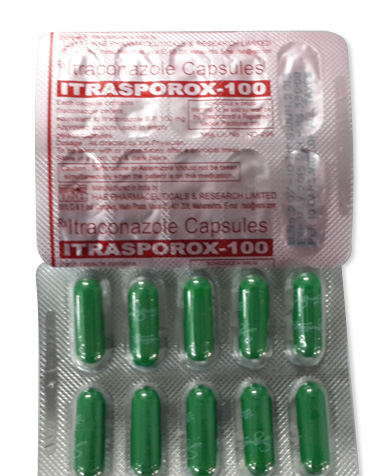
Itraconazole
- Itraconazole can be purchased from pharmacies in Australia and internationally, but it is generally a prescription-only medicine (Rx). Some online pharmacies may advertise it, but supply should be through a valid prescription and pharmacist review.
- Itraconazole is used to treat fungal infections such as onychomycosis (nail fungus), candidiasis, dermatophyte skin infections, and certain systemic mycoses including histoplasmosis and aspergillosis. It works by inhibiting fungal ergosterol synthesis via blockade of lanosterol 14-α-demethylase, disrupting the fungal cell membrane.
- The usual dose depends on the infection: commonly 100–200 mg daily for candidiasis or skin infections, 200 mg daily for onychomycosis, and 200–400 mg daily for some systemic fungal infections.
- Itraconazole is available as capsules/tablets, oral solution, and in some settings intravenous infusion.
- It usually starts working within a few hours after dosing, but noticeable clinical improvement may take several days to weeks, depending on the type and severity of infection.
- The duration of action is prolonged, with antifungal effects lasting many hours after each dose; treatment courses commonly last 1–2 weeks for mucosal infections and several weeks to months for nail or systemic infections.
- Avoid alcohol, especially if you have liver problems, as itraconazole can affect the liver and alcohol may increase the risk of side effects.
- The most common side effects are nausea, vomiting, diarrhoea, abdominal pain, headache, dizziness, rash, and raised liver enzymes.
- Would you like to try itraconazole without a prescription?
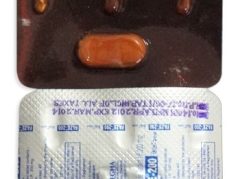

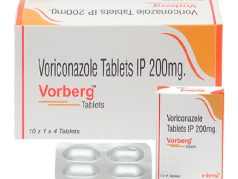
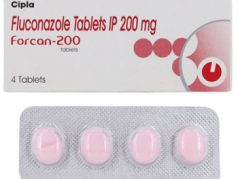
Basic Itraconazole Information
- INN (International Nonproprietary Name): Itraconazole
- Brand names available in Australia: Sporanox, Orungal, and generic itraconazole products where supplied through pharmacies.
- ATC code: J02AC02
- Forms & dosages: Capsules/tablets 50 mg, 100 mg, 200 mg; oral solution 10 mg/mL; IV infusion 200 mg/25 mL.
- Manufacturers in Australia: Janssen Pharmaceutica/Johnson & Johnson and local generic suppliers where listed and supplied.
- Registration status in Australia: Prescription-only antifungal medicine.
- OTC / Rx classification: Prescription-only medication (Rx).
Latest Research Highlights On Itraconazole
Looking for a systemic antifungal that still has a place in modern practice?
Itraconazole, the triazole antifungal with ATC code J02AC02, remains a core option for dermatophyte infections, onychomycosis, selected yeasts, chronic pulmonary aspergillosis, and some endemic mycoses.
Across 2022 to 2025, the overall picture has been consistent: efficacy remains clinically useful, but safety checks and interaction screening matter just as much as the prescription itself.
Recent international studies and stewardship commentary continue to support its use where susceptibility, access, and cost favour itraconazole capsules Australia patients can access through prescription pathways.
In nail disease, older and newer comparative data still show that an itraconazole antifungal can reduce fungal burden and improve cure rates, although visible nail clearing is slow.
For chronic pulmonary aspergillosis and some systemic infections, specialist-guided use remains common, particularly when long treatment courses and therapeutic monitoring are needed.
Australian antimicrobial stewardship discussions have also reinforced a practical point: newer azoles may be more expensive, yet itraconazole still fills an important gap in routine and specialist care.
| Study area | Outcome signal | Safety signal |
|---|---|---|
| Dermatophyte and nail infections | Useful clinical response, especially for longer courses | GI upset, liver enzyme rise, interaction burden |
| Chronic pulmonary aspergillosis | Ongoing role when prolonged systemic therapy is needed | Hepatic monitoring remains important |
| Endemic mycoses | Maintains broad antifungal activity in selected cases | Cardiac and hepatic cautions remain relevant |
In Australia, itraconazole is prescription-only and often specialist-guided, with the TGA monitoring safety through adverse event reporting and product oversight.
Clinical Effectiveness In Australia
Wondering why itraconazole still gets prescribed when some newer azoles exist?
In Australian practice, itraconazole Australia use sits between primary care and specialist medicine.
GPs, dermatologists, infectious diseases physicians, and pharmacists often discuss it for nail fungus treatment, selected candidiasis, and systemic mycoses when an oral azole is appropriate.
Itraconazole 100mg PBS use may be available in some circumstances, but access and subsidy depend on indication, prescriber, and product listing.
For onychomycosis, patients usually hear that treatment response is measured in months, not days, because the nail must grow out before the change is obvious.
For systemic infections such as histoplasmosis or aspergillosis, treatment can continue for several months and sometimes longer under specialist supervision.
Liver monitoring is part of the conversation because itraconazole is hepatically metabolised and can raise liver enzymes.
Data highlight: standard adult regimens commonly run from 7 to 15 days for dermatomycoses, 1 to 2 weeks for oropharyngeal or oesophageal candidiasis, 6 weeks for fingernails, about 3 months for toenails, and several months for systemic disease.
- Fastest visible change: skin infections often improve before nail disease.
- Slowest response: toenail fungus, where a full healthy nail can take months to replace.
- Most important safety step: check liver function and medicine interactions before and during treatment.
Many Australians expect a quick fix for nail fungus, but the honest answer is that visible improvement is slow even when the treatment is working.
Indications And Expanded Uses
What is itraconazole actually used for, and when is a specialist involved?
Itraconazole antifungal medication Australia supply is prescription-only, so access usually starts with a GP, podiatrist referral, dermatologist, infectious diseases clinic, or telehealth e-prescription.
Some patients search for a prescription antifungal for nail fungus, while others compare itraconazole vs fluconazole after being told they need an oral azole.
- Onychomycosis
- Fungal nail infection. The treatment intent is to reduce fungal load and clear infected nail as it grows out.
- Oropharyngeal candidiasis
- Yeast infection of the mouth and throat. The aim is short-course symptom control and fungal clearance.
- Oesophageal candidiasis
- Yeast infection involving the oesophagus. Treatment is usually urgent and short course, with symptom relief expected over days.
- Dermatomycoses
- Fungal infections of the skin. The intent is clinical cure over one to two weeks in many cases.
- Systemic fungal infections
- Deeper infections such as histoplasmosis or aspergillosis. Treatment intent is longer-term control or cure under specialist review.
TGA prescription medicine status means access is controlled, but telehealth script pathways have made it easier for working Australians and rural patients to obtain treatment promptly when it is appropriate.
Use outside the main labelled indications can occur under specialist direction, especially for complex fungal disease where the clinician is balancing efficacy, tolerability, and cost.
Composition And Brand Landscape
Wondering whether the brand name matters, or whether the active ingredient is what counts?
In practice, the active ingredient is itraconazole, while brands and pack sizes vary.
Global names include Sporanox and Orungal, but in Australia patients more often see pharmacy supply through generic or locally listed products rather than one single brand.
Stock can vary between Chemist Warehouse, Priceline, TerryWhite Chemmart, and independent pharmacies depending on form and region.
| Form | Strength | Typical packaging |
|---|---|---|
| Capsules / tablets | 50 mg, 100 mg, 200 mg | Blister strips or bottles |
| Oral solution | 10 mg/mL | 150 mL or 300 mL bottles |
| IV infusion | 200 mg/25 mL | Hospital vials |
Brand examples in the wider market include Sporanox, Orungal, Onmel, Itraconazole EG, and Itraconazole EMS, alongside many generics.
In Australia, pharmacy supply is shaped by local registration, PBS availability where applicable, and what wholesalers have in stock on the day.
Contraindications And Special Precautions
Which patients need a careful conversation before starting itraconazole?
This is where pharmacist counselling really matters, especially for older adults, people with liver disease, and anyone on several medicines.
- Do not use in pregnancy unless the infection is life-threatening.
- Do not use with known hypersensitivity to itraconazole or excipients.
- Do not use in active or chronic hepatic impairment.
- Avoid dangerous CYP3A4 combinations such as terfenadine, cisapride, pimozide, quinidine, and dofetilide.
- Use extra caution in people with heart failure history, kidney disease, or multiple interacting medicines.
Older adults may be more vulnerable to adverse effects and interactions, so prescribers often start at the lowest effective dose and monitor closely.
People with breathlessness, swelling, or unusual fatigue during treatment should seek medical review, because heart failure is a known rare but serious risk.
If dizziness occurs, driving or workplace safety can be affected, particularly in jobs requiring concentration or machinery use.
In some Indigenous health settings, continuity of care and repeat access can be harder, which makes clear pharmacist counselling and follow-up even more important.
Dosage Guidelines
How much itraconazole is usually taken, and for how long?
Dosage depends on the infection, the formulation, and the patient’s risk factors.
| Condition | Usual adult dose | Typical duration | Notes |
|---|---|---|---|
| Onychomycosis | 200 mg/day | 6 weeks to 3 months | Toenails usually need longer than fingernails |
| Oropharyngeal / oesophageal candidiasis | 100 to 200 mg/day | 1 to 2 weeks | Short course treatment |
| Dermatomycoses | 200 mg/day or 100 mg twice daily | 7 to 15 days | Skin infections often respond sooner |
| Systemic mycoses | 200 to 400 mg/day | Several months | Specialist supervision is common |
Children generally need specialist input and weight-based dosing.
The elderly should be monitored closely for hepatic and renal function.
In liver impairment, dose reduction may be needed, and active liver disease is a contraindication.
Renal impairment may favour the oral solution, with careful toxicity monitoring.
Take itraconazole exactly as prescribed, because food effects differ by formulation and missed timing can affect absorption.
Interactions Overview
Can you take itraconazole with everyday medicines, alcohol, or supplements?
This is one of the biggest counselling points in pharmacy because itraconazole has major CYP3A4 interaction risks.
| Type | Examples or issue | Practical advice |
|---|---|---|
| Contraindicated medicines | Terfenadine, cisapride, pimozide, quinidine, dofetilide | Avoid combination entirely |
| Other prescription medicines | Many CYP3A4-metabolised drugs | Ask the pharmacist or prescriber to check |
| OTC products and supplements | Herbal and over-the-counter products from multiple pharmacies | Tell staff everything you take |
| Alcohol, coffee, food | Can affect tolerance or routine | Follow product instructions and moderation advice |
Australians often buy medicines from more than one pharmacy or through an online pharmacy, so interaction checks at the point of sale are essential.
E-health systems and telehealth scripts help, but they do not replace a proper medicine review.
Tell the pharmacist about prescription medicines, non-prescription products, vitamins, and herbal preparations before the first dose.
Cultural Perceptions And Patient Habits
Why do some Australians delay treatment for nail fungus, even when it is getting worse?
- Price matters, so many people ask for PBS subsidy options or a cheaper generic.
- Trust in pharmacists is high, especially when comparing products at Chemist Warehouse, Priceline, or a local independent pharmacy.
- Rural and remote patients often rely on telehealth-linked e-prescriptions and mail delivery.
- Nail fungus is often treated as cosmetic, so adherence can slip until the problem becomes uncomfortable.
- Forum discussions often centre on Sporanox versus itraconazole, liver safety, and whether a cheaper option is just as good.
That mix of cost concern and practical convenience is why clear counselling and simple follow-up instructions make such a difference.
In our online pharmacy, itraconazole is available without a prescription, with discreet delivery to Australia in 5-14 days.
Availability And Pricing Patterns
How easy is itraconazole to get in Australia, and why does the price vary so much?
Itraconazole is a prescription medicine in Australia, supplied as capsules, oral solution, and sometimes in hospital IV form.
Where PBS-listed supply applies, out-of-pocket cost may be lower than a private script, but brand, dosage form, and stock availability can still affect what is dispensed.
Online pharmacies can be convenient for working people and rural patients, especially when e-prescriptions are used and delivery is arranged to the door.
| Access route | Cost pattern | Convenience |
|---|---|---|
| PBS dispensing | Usually lower out-of-pocket cost when eligible | Depends on script and listing |
| Private script | Price varies by brand and pack size | Often faster if stock is available |
| Chain pharmacy | Competitive pricing may be available | Good for click-and-collect or local pickup |
| Online pharmacy | Can be efficient for repeat supply | Useful for rural or busy patients |
Major chains such as Chemist Warehouse, Priceline, and TerryWhite Chemmart may stock some forms, but supply still varies by location.
The practical issue is simple: the right product is often available, but not always at the same shelf price or in the same pack size.
Comparable Medicines And Preferences
What if itraconazole is not the best fit?
Itraconazole remains a core systemic antifungal with broad activity, but clinicians may choose another azole depending on the infection, interaction burden, and PBS access.
| Medicine | Where it may suit | Common trade-off |
|---|---|---|
| Fluconazole | Often simpler for some candidiasis cases | Narrower fit for some nail and dermatophyte infections |
| Voriconazole | Specialist systemic fungal disease | More monitoring and tolerability concerns |
| Posaconazole | Complex severe fungal disease | Specialist use and access issues |
| Isavuconazole | Specialist-selected invasive disease | Usually reserved for particular cases |
| Ketoconazole | Older option | Less favoured because of toxicity |
| Amphotericin B | Severe systemic disease | Usually hospital-managed |
For nail fungus medicine decisions, itraconazole can be attractive when dermatophytes are the target and oral treatment is needed.
Fluconazole may be simpler in some yeast infections, while specialist agents are chosen for more serious disease.
In Australian practice, the final choice often comes down to PBS coverage, interaction burden, tolerability, and the prescriber’s experience.
Frequently Asked Questions
How long does itraconazole take to work for nail fungus?
Symptoms may start improving during treatment, but visible nail change often takes months because the nail must grow out.
Can I get itraconazole from Chemist Warehouse or Priceline with a script?
Yes, if the medicine is stocked and the script is valid, but availability can vary between stores and forms.
Is itraconazole on the PBS?
Some uses and products may be PBS-related, but subsidy depends on the specific indication and prescribing rules.
What should I do if I miss a dose?
Take it as soon as you remember unless the next dose is nearly due, and do not double up.
Proper Use And Pharmacist Counselling
What should a pharmacist tell you when you pick up itraconazole?
The advice is practical and safety-focused.
- Take itraconazole exactly as prescribed.
- Do not double doses if you miss one.
- Store capsules and tablets below 30°C, dry, and in the original pack.
- Keep the oral solution at room temperature and do not freeze it.
- Follow food instructions for the exact formulation you were given.
- Tell your pharmacist about every other medicine, supplement, and herbal product.
- Seek urgent help for jaundice, severe rash, palpitations, swelling, shortness of breath, or signs of liver toxicity.
In overdose situations, supportive care is used, activated charcoal may help if the dose was recent, and cardiac and hepatic toxicity are monitored.
Telehealth scripts still deserve a medication review in the same way an in-pharmacy supply does, especially for people with chronic disease or complex medicine lists.
That counselling step is often what prevents a simple script from turning into a serious interaction problem.
Delivery Across Australia
| City | Region | Delivery time |
|---|---|---|
| Sydney | New South Wales | 5-7 days |
| Melbourne | Victoria | 5-7 days |
| Brisbane | Queensland | 5-7 days |
| Perth | Western Australia | 5-7 days |
| Adelaide | South Australia | 5-7 days |
| Canberra | Australian Capital Territory | 5-7 days |
| Hobart | Tasmania | 5-7 days |
| Darwin | Northern Territory | 5-7 days |
| Newcastle | New South Wales | 5-9 days |
| Gold Coast | Queensland | 5-7 days |
| Sunshine Coast | Queensland | 5-9 days |
| Wollongong | New South Wales | 5-9 days |
| Townsville | Queensland | 5-9 days |
| Geelong | Victoria | 5-9 days |