
Nexium
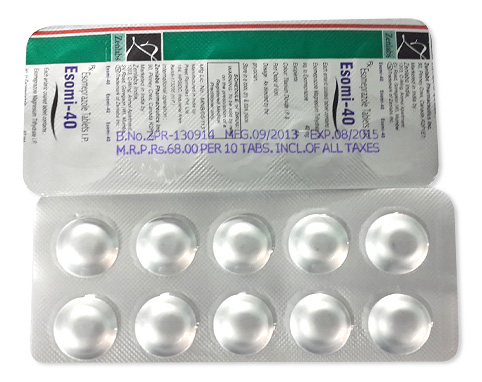
Nexium
- In our pharmacy you can buy nexium without a prescription — the 20 mg over‑the‑counter product (Nexium Control) is available from pharmacies and online in Australia; most other strengths and formulations (40 mg tablets, IV, combo products) typically require a prescription.
- Nexium (esomeprazole) is used for gastro‑oesophageal reflux disease (GORD), erosive oesophagitis, duodenal/gastric ulcers, as part of H. pylori eradication regimens, Zollinger‑Ellison syndrome and NSAID ulcer prevention; it is a proton pump inhibitor that reduces stomach acid by irreversibly inhibiting the H+/K+ ATPase (proton pump) of gastric parietal cells.
- Usual adult doses: 20–40 mg once daily for GORD (4–8 weeks for healing), 20 mg once daily for maintenance, 20 mg twice daily with antibiotics for H. pylori (7–14 days), 20–40 mg once daily for NSAID ulcer prevention, and higher/titrated doses (e.g. 40 mg twice daily) for Zollinger‑Ellison as directed; paediatric dosing commonly 10–20 mg once daily or weight‑adjusted granules.
- Forms of administration include oral film‑coated tablets (10, 20, 40 mg), gastro‑resistant granules/sachets (10 mg) for paediatric or tube use, an IV powder for infusion (40 mg vial) for hospital use, and combination tablets with naproxen (Vimovo) in some regions.
- Onset: acid secretion begins to be reduced within about 1 hour of dosing, but symptomatic relief may take 1–4 days and it is not for immediate heartburn relief.
- Duration of action: acid suppression lasts around 24 hours after a dose (proton pump inhibition is long‑lasting), with maximal effect after several days of once‑daily dosing.
- Alcohol warning: avoid excessive alcohol — alcohol can worsen reflux and stomach irritation and may increase gastrointestinal side effects while taking nexium; use caution with heavy drinking.
- Most common side effec: the most common side effect is headache; other common effects include diarrhoea, nausea, abdominal pain and flatulence, and long‑term use can be associated with low magnesium and increased fracture risk.
- Would you like to try nexium without a prescription?

Basic Nexium Information
- INN (International Nonproprietary Name): Esomeprazole.
- Brand Names Available In Australia: Nexium, generic esomeprazole formulations, and branded combinations such as Vimovo are listed in international registrations and commonly supplied by AstraZeneca and multiple generic manufacturers; 20 mg OTC formulations (Nexium Control/Esomeprazole Control) are available in some regions and noted in registries for parts of Australia and other markets.
- ATC Code: A02BC05.
- Forms & Dosages: Film-coated tablets 10 mg, 20 mg and 40 mg; gastro-resistant granules 10 mg for paediatrics or feeding tube use; IV powder for infusion 40 mg vials; combination tablets with naproxen (Vimovo) 20/375 mg and 20/500 mg.
- Manufacturers In Australia: AstraZeneca is the originator supplier with multiple generics supplied internationally by manufacturers such as Sandoz, Mylan and KRKA noted in registration data.
- Registration Status In Australia: Esomeprazole is widely registered; some 20 mg formulations have OTC status in selected regions while most strengths and indications remain prescription-only.
- OTC / Rx Classification: Most strengths and uses are Prescription (Rx) only, with 20 mg OTC packs available in select markets for short-term heartburn relief.
Latest Research Highlights
Patients often ask whether nexium still performs as expected and what long-term risks to watch for.
Recent Australian and international literature (2022–2025) continues to support esomeprazole as an effective proton pump inhibitor for healing erosive oesophagitis and controlling symptoms of GORD when used appropriately.
Randomised trials and pooled analyses show faster symptom resolution compared with placebo and broadly comparable efficacy to other PPIs for standard indications.
Observational studies over recent years have reinforced safety signals associated with long‑term PPI exposure in older adults, including small absolute increases in fracture risk, hypomagnesaemia and severe enteric infections such as Clostridioides difficile.
Australian primary-care audits between 2022 and 2024 highlighted that repeat PPI prescriptions are often continued without scheduled reassessment, prompting deprescribing trials and step‑down strategies in primary care.
Hospital data continue to confirm the role of IV esomeprazole for upper gastrointestinal bleeding and for hypersecretory syndromes in acute care settings.
| Outcomes | Safety Events / Notes |
|---|---|
| Healing Rates: High rates of erosive oesophagitis healing with 20–40 mg once daily over 4–8 weeks. | Fractures: Observational data report a small absolute increase in fracture risk with chronic PPI exposure, particularly in older adults; exact absolute risk varies by study and is not specified here. |
| Symptom Relief: Faster resolution versus placebo and similar effectiveness compared with other PPIs for acid suppression. | Hypomagnesaemia: Long‑term use can be associated with low magnesium; monitoring advised in chronic users. |
| H. pylori Regimens: Effective as part of combination regimens (PPI + antibiotics) for eradication when used twice daily. | Enteric Infections: Increased susceptibility to C. difficile reported in observational cohorts, predominantly in older or frail patients. |
Clinical Effectiveness In Australia
Patients want to know if nexium works the same here as overseas.
Australian clinical practice follows international evidence that esomeprazole produces high healing rates for erosive GORD and is commonly used in H. pylori eradication regimens alongside antibiotics.
Public hospital formularies routinely stock IV 40 mg vials for acute upper GI bleeding and hypersecretory conditions.
Real‑world data from PBS patients shows good symptom control when esomeprazole is prescribed according to guidelines, but primary-care audits have found gaps in review frequency for repeat prescriptions.
- Hospital Effectiveness: IV 40 mg vials for acute bleeding and severe reflux; titratable for hypersecretory states.
- Community Effectiveness: Oral 20–40 mg regimens provide symptom control and mucosal healing when taken as directed.
| Form | Strength | Common Australian Use Cases |
|---|---|---|
| Film-Coated Tablet | 10 mg, 20 mg, 40 mg | GERD, maintenance therapy, NSAID ulcer protection |
| Granules | 10 mg | Paediatric dosing, feeding tube administration |
| IV Vial | 40 mg | Hospital use for GI bleeding or when oral route unsuitable |
PBS Context: The Pharmaceutical Benefits Scheme subsidises PPIs for approved indications, and prescribers should document clinical justification to meet PBS criteria when claiming subsidy.
Indications And Expanded Uses
People commonly ask what nexium is officially approved for and what it’s used off‑label for.
- TGA‑Approved Indications
- GORD including erosive oesophagitis.
- Duodenal and gastric ulcers and H. pylori eradication regimens when combined with appropriate antibiotics.
- Zollinger–Ellison syndrome and other hypersecretory disorders.
- Risk reduction of NSAID‑associated ulcers.
- Common Off‑Label Uses In Australia
- Short trials for functional dyspepsia symptoms.
- Selected inpatient stress‑ulcer prophylaxis under clinical judgement.
- Short‑term empirical therapy for suspected reflux in primary care.
| Indication | Usual Australian Dose | Typical Duration |
|---|---|---|
| Erosive GORD | 20–40 mg once daily | 4–8 weeks |
| Maintenance GORD | 20 mg once daily | Long‑term if indicated |
| H. pylori Eradication | 20 mg twice daily with antibiotics | 7–14 days |
| Zollinger–Ellison Syndrome | 40 mg twice daily, titrate | As directed |
Patient Note: Off‑label long‑term use increases risk without proven additional benefit, so shared decision‑making and a plan to step down or use on‑demand for intermittent symptoms is recommended.
Composition And Brand Landscape
Many customers ask which brands contain esomeprazole and whether generics are the same.
The active ingredient is esomeprazole (INN), presented across multiple brands and generic suppliers worldwide and used in Australia in both originator and generic forms.
| Brand | Formulations Available |
|---|---|
| Nexium | Tablets 10 mg/20 mg/40 mg, granules 10 mg, IV 40 mg |
| Nexium Control | 20 mg OTC tablet (select markets) |
| Vimovo | Combo: Esomeprazole/Naproxen 20/375 mg and 20/500 mg |
| Generics (Sandoz, Mylan, KRKA, others) | Tablets 20 mg/40 mg, granules 10 mg, IV generics available |
- Substitution Rules Under PBS/TGA: Brand versus generic substitution depends on prescription wording and PBS listings; pharmacists follow Therapeutic Substitution policies and state regulations when dispensing.
- Patient Tip: Price‑sensitive Australians often request generics at large chains such as Chemist Warehouse or Priceline, and trusted pharmacists at TerryWhite Chemmart can advise on cost and suitability.
Contraindications And Special Precautions
People commonly worry whether nexium is safe given other conditions or medications.
- Absolute Contraindication: Known hypersensitivity to esomeprazole, omeprazole or other proton pump inhibitors.
- Special Precautions: Exercise caution in elderly patients, pregnant or breastfeeding women, and people with significant comorbidities; Aboriginal and Torres Strait Islander patients often have higher comorbidity burdens and benefit from culturally safe counselling.
- Hepatic Impairment: In severe hepatic impairment (Child‑Pugh C) limit dose to a maximum of 20 mg per day.
- Long‑Term Risks: Chronic PPI use is associated with hypomagnesaemia, impaired vitamin B12 absorption, modestly increased fracture risk and heightened susceptibility to certain infections; monitor clinically where long‑term therapy is necessary.
- Occupational Advice: Esomeprazole does not normally impair driving, but rare adverse effects such as dizziness should be discussed for safety‑sensitive roles.
Definition List:
- Absolute Contraindications
- Allergic reactions to esomeprazole, omeprazole or other PPIs.
- Relative Contraindications
- Severe hepatic impairment, high fracture risk, history of C. difficile infection and significant drug interactions that require monitoring.
Clinical Tip: Liaise with Indigenous health services for culturally appropriate counselling and support where adherence or comorbidity management is complex.
Dosage Guidelines
Patients ask how much nexium to take and when to expect benefit.
| Condition | Usual Adult Dose | Typical Duration |
|---|---|---|
| GERD / Erosive Oesophagitis | 20–40 mg once daily | 4–8 weeks |
| Maintenance Therapy | 20 mg once daily | Long‑term if clinically indicated |
| H. pylori Eradication | 20 mg twice daily with antibiotics | 7–14 days |
| Zollinger–Ellison | 40 mg twice daily, titrate as needed | As directed by specialist |
| Paediatric Use (Children 1–11y, >10 kg) | 10–20 mg once daily (granules/tablet) | Often 8 weeks or longer per clinician |
Counselling Tip: For best effect, take esomeprazole 30–60 minutes before a main meal and do not expect immediate heartburn relief as onset is not instantaneous.
Missed Dose Advice: If a dose is missed, take as soon as remembered unless it is almost time for the next dose; do not double up.
Interactions Overview
Many patients ask whether nexium will interfere with their other medicines such as blood thinners or antifungals.
| Drug | Interaction | Clinical Advice |
|---|---|---|
| Clopidogrel | Potential reduced activation via CYP2C19; clinical significance debated. | Discuss with prescriber; consider alternatives or monitoring if concerned. |
| Warfarin | Possible alteration of INR levels. | Monitor INR closely after initiating or stopping esomeprazole. |
| Ketoconazole, Itraconazole | Reduced absorption due to higher gastric pH. | Avoid co‑administration or use alternative antifungals where possible. |
| Methotrexate, Certain HIV Protease Inhibitors | Potential concentration changes via pH and metabolic pathways. | Review therapy and consider specialist advice for high‑risk interactions. |
Foods And Lifestyle: Alcohol and strong coffee do not change esomeprazole pharmacokinetics but may worsen reflux symptoms and reduce perceived benefit, so advise moderation.
Pharmacy Practice: Australian e‑health prescribing systems and TGA adverse‑event reports flag interaction queries, and community pharmacists routinely perform medication checks at chains and independent stores.
Cultural Perceptions And Patient Habits
Patients often ask who to talk to first about heartburn and whether long‑term use is acceptable.
Australians are price‑sensitive and frequently consult pharmacists first for heartburn advice, especially at community chains such as Chemist Warehouse, Priceline and local TerryWhite Chemmart stores.
Online patient forums and surveys show mixed attitudes: many people consider PPIs safe long‑term, while growing awareness between 2022–2025 has increased interest in deprescribing when therapy is unnecessary.
Rural and remote patients face access challenges, including limited pharmacy stock and fewer specialists, leading to reliance on telehealth prescriptions and local clinic dispensing.
Indigenous communities may draw on traditional remedies and benefit from culturally safe, person‑centred counselling that considers comorbidity and social determinants.
- Practical Strategies: Discuss on‑demand dosing, lifestyle changes (reduce alcohol, avoid late‑night meals, lose weight) and a clear review plan with the prescriber or pharmacist.
- Telehealth Uptake: Telehealth is increasingly used for repeat PPI scripts in rural areas, improving access where local supply and specialist appointments are limited.
Availability And Pricing Patterns
Customers ask whether nexium is expensive and where to buy it affordably.
Esomeprazole is supplied by multiple brands and generics, with originator Nexium and generics available in community pharmacies across Australia.
Some 20 mg OTC packs exist in select markets, and most other strengths remain prescription‑only.
- Pharmacy Chains: Large chains can be price‑competitive for generic esomeprazole, and patients often compare prices at Chemist Warehouse or Priceline.
- PBS Versus Private Cost: When PBS criteria are met the cost is substantially reduced; concession card holders receive greater subsidy under the PBS.
- Online/Telehealth: Repeat prescriptions and online pharmacies offer delivery options, which are helpful for rural patients; our online pharmacy supplies nexium without a prescription with discreet delivery to Australia in 5–14 days.
| Price Tier | Likely Cost Pattern |
|---|---|
| PBS Subsidised | Lowest cost when criteria are met and documented. |
| Generic Private Purchase | Moderate cost, competitive at discount chains. |
| Originator Brand | Higher cost without PBS subsidy. |
Comparable Medicines And Preferences
People ask whether other PPIs are interchangeable with nexium and which is best with clopidogrel.
Competing PPIs available in Australia include omeprazole, pantoprazole, lansoprazole, rabeprazole and dexlansoprazole.
Therapeutic acid suppression is generally comparable across PPIs, with individual choice influenced by cost, formulary listings, patient response and interaction profile.
- Esomeprazole: S‑isomer of omeprazole, marketed for improved bioavailability in some formulations; good general efficacy for GORD and H. pylori regimens.
- Omeprazole: Widely used and cost‑effective; many generics available.
- Pantoprazole: Often chosen where clopidogrel co‑therapy is a concern because of perceived lower CYP2C19 interaction potential.
- Lansoprazole, Rabeprazole, Dexlansoprazole: Alternatives with similar acid suppression, selected for individual tolerability or formulary reasons.
| PPI | Typical Use | Key Pros / Cons |
|---|---|---|
| Esomeprazole | GERD, H. pylori regimens, maintenance | Good bioavailability; multiple generics; watch interaction profile |
| Omeprazole | General acid suppression | Cost‑effective; many generics available |
| Pantoprazole | Patients on clopidogrel or with interaction concerns | Lower CYP2C19 interaction potential cited by some clinicians |
Frequently Asked Questions
Q: Can I buy Nexium OTC in Australia?
A: Some 20 mg esomeprazole OTC packs (Nexium Control/Esomeprazole Control) are available in selected regions, but most strengths remain prescription‑only; check current TGA listings and local pharmacy stock.
Q: How long is safe to stay on esomeprazole?
A: Short‑term treatment (4–8 weeks) is standard for healing; maintenance at the lowest effective dose is used when clinically indicated and should involve regular review.
Q: Will esomeprazole interact with my blood thinner?
A: Potential interactions exist with warfarin and clopidogrel among others; discuss with your prescriber or pharmacist and arrange appropriate monitoring.
Q: Is it safe in pregnancy?
A: Use only when necessary; discuss risks and benefits with obstetric care and follow TGA labelling guidance.
Pharmacy Counselling Note: Community pharmacists across major chains provide immediate advice and can triage to a GP if symptoms or red flags warrant further assessment.
Guidelines For Proper Use
Many patients want clear, practical instructions they can follow after leaving the pharmacy.
- Confirm the intended indication, planned duration and any prior PPI use before supplying or counselling.
- Screen for red flags such as unexplained weight loss, dysphagia or GI bleeding and refer to a GP or emergency care where indicated.
- Advise patients to take esomeprazole 30–60 minutes before a main meal for optimal effect and to expect relief over days rather than minutes.
- Discuss lifestyle measures: reduce alcohol and caffeine, avoid late‑night meals, elevate the head of bed and encourage weight management where relevant.
- For chronic users, agree a review plan—typically every 3–6 months—and consider step‑down, intermittent or on‑demand strategies when clinically appropriate.
Patient Leaflet Template (short): Take your esomeprazole tablet 30–60 minutes before breakfast.
Monitoring Reminder: For patients on long‑term therapy, check magnesium and vitamin B12 levels when clinically indicated and monitor bone health in those at fracture risk.
Delivery Across Australia
| City | Region | Delivery Time |
|---|---|---|
| Sydney | New South Wales | 5-7 days |
| Melbourne | Victoria | 5-7 days |
| Brisbane | Queensland | 5-7 days |
| Perth | Western Australia | 5-7 days |
| Adelaide | South Australia | 5-7 days |
| Canberra | Australian Capital Territory | 5-7 days |
| Hobart | Tasmania | 5-7 days |
| Gold Coast | Queensland | 5-9 days |
| Newcastle | New South Wales | 5-9 days |
| Wollongong | New South Wales | 5-9 days |
| Geelong | Victoria | 5-9 days |
| Sunshine Coast | Queensland | 5-9 days |
| Townsville | Queensland | 5-9 days |
| Cairns | Queensland | 5-9 days |
Final Practical Notes
When counselling, document the indication and planned duration to support PBS subsidy claims where applicable.
Encourage patients to discuss any plans to stop long‑term therapy with their GP or pharmacist and to arrange monitoring of magnesium or B12 if they have protracted use.
Pharmacists can advise on substitutes among PPIs where formulary, cost or drug interaction concerns arise, and can liaise with prescribers for step‑down plans.
For urgent or severe symptoms such as vomiting blood, difficulty swallowing or unintentional weight loss, instruct the patient to seek immediate medical attention.
Trustworthy local advice is available at community pharmacies and via telehealth when in‑person access is limited, and many Australians use online pharmacies and repeat prescription services for convenience and discreet delivery.