
Imodium
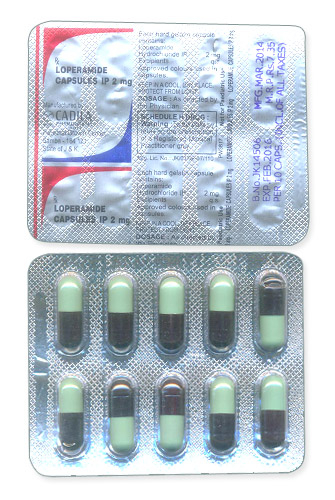
Imodium
- In Australia you can buy imodium over the counter at pharmacies (TGA classification: Pharmacy Medicine) without a prescription; it is also available OTC in many countries and as an online purchase — local rules may vary for paediatric packs.
- Imodium (loperamide) is used for acute nonspecific diarrhoea, chronic diarrhoea in adults and to reduce ileostomy discharge; it works peripherally on gut μ‑opioid receptors to slow intestinal motility and increase stool transit time.
- Usual adult dose for acute diarrhoea: 4 mg initially, then 2 mg after each loose stool (maximum 16 mg/day). Children 2–12 years: reduced dosing (eg 2 mg initially then 1 mg after loose stool; max ~6 mg/day) and contraindicated under 2 years; chronic dosing is titrated (often start ~4 mg/day, up to 16 mg/day as needed).
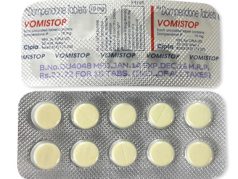
- Administered orally as tablets or capsules (2 mg), oral solution (1 mg/5 mL) or orally disintegrating film; follow package directions and dosing intervals.
- Onset of action is usually within about 1 hour, with many people noticing bowel control improvement within the first dose.
- Duration of effect is several hours and relief can persist throughout the day; dosing is repeated as required up to the daily maximum (effects may last up to 24 hours in some individuals).
- Avoid excessive alcohol while taking imodium — alcohol can worsen dizziness and gastrointestinal side effects and is a concern in people with liver impairment.
- The most common side effect is constipation; abdominal cramps and nausea are also frequently reported.
- Would you like to try imodium without a prescription?





Latest Research Highlights
Basic Imodium Information
- INN (International Nonproprietary Name): Loperamide
- Brand Names Available In Australia: Imodium; Gastro-Stop
- ATC Code: A07DA03
- Forms & Dosages: Tablets 2 mg; Capsules 2 mg; Oral solution 1 mg/5 mL; Orally disintegrating film 2 mg
- Manufacturers In Australia: Johnson & Johnson (Imodium globally); generic supply via Perrigo, Teva and regional manufacturers; Gastro-Stop listed as a local trade name
- Registration Status In Australia: Registered with TGA as a Pharmacy Medicine (Pharmacy-Only)
- OTC / Rx Classification: OTC as Pharmacy Medicine for most adult and some paediatric packs; prescription status may apply for specific formulations or paediatric/high-dose packs
- Common Packaging: Blisters of 6, 12 or 24 tablets/capsules; some suppliers use unit-dose blistering
- Storage: Store at <25°C, protect from moisture and heat; do not freeze oral liquids; keep out of reach of children
- Therapeutic Indications: Acute nonspecific diarrhoea (adults and children ≥2 years per local cutoffs), chronic diarrhoea including some IBS-D presentations, and reduction of ileostomy discharge
- Standard Adult Dose: 4 mg initially, then 2 mg after each loose stool (maximum 16 mg/day)
- Paediatric Notes: Contraindicated in children <2 years; reduced dosing for ages 2–12 with age-dependent maxima
- Contraindications: Children <2 years, acute dysentery, acute ulcerative colitis, invasive bacterial enterocolitis (Salmonella, Shigella, Campylobacter), pseudomembranous colitis, abdominal pain without diarrhoea
- Key Safety Points: Risk of CNS depression and cardiac arrhythmias with overdose; caution with CYP3A4/CYP2C8 and P-gp inhibitors; hepatic impairment requires dose caution
What does recent research tell Australians about loperamide safety and effectiveness?
Recent trials and surveillance reports through 2022–2025 continue to support loperamide’s role for acute nonspecific diarrhoea while reiterating risks from misuse and large doses.
TGA pharmacovigilance and international safety reviews between 2022 and 2024 flagged rare but serious cardiac arrhythmias and central nervous system depression after high-dose exposures or when loperamide was combined with CYP3A4, CYP2C8 or P‑glycoprotein inhibitors.
Case series published in 2023–2024 are consistent with those safety signals and emphasise intentional overdose and polypharmacy as main drivers.
Randomised controlled trials and systematic reviews from 2022–2025 reaffirm modest symptomatic benefit: faster stool normalisation and reduced stool frequency versus placebo in acute diarrhoea.
Evidence for chronic diarrhoea, including IBS‑D, shows effective symptom control in many adults but variable improvements in quality of life metrics.
Paediatric safety data have led to conservative use recommendations, with multiple jurisdictions contraindicating use under two years and dose limits for 2–12 years.
Modelling studies explored restricting OTC blister sizes to reduce intentional overdose and accidental paediatric ingestions, prompting regulators including the TGA to consider packaging guidance similar to EMA and US advisories.
Practical takeaway: loperamide (Imodium) remains a useful pharmacy‑supplied option when used to label indications and with careful pharmacist triage and dosing.
Clinical Effectiveness In Australia
Are Australians getting the outcomes clinical trials promise from loperamide?
Australian clinical outcomes mirror international results: loperamide shortens symptom duration for acute diarrhoea and reduces stool frequency when used for short periods.
The TGA registers loperamide as a Pharmacy Medicine (Pharmacy‑Only), and pharmacists commonly supply it as first‑line symptomatic therapy, especially in community pharmacy and travel medicine clinics.
Over‑the‑counter packs are usually private purchases or pharmacist‑supplied rather than PBS subsidised, although prescriptions are used for chronic diarrhoea or ileostomy management where clinical need demands it.
TGA adverse event reports in Australia emphasise constipation and abdominal cramps as the most common complaints, with rare severe events such as toxic megacolon or arrhythmias associated with overdose.
Real‑world audits of community pharmacy practice show high patient satisfaction when pharmacists counsel about rehydration, red‑flag symptoms and dose limits.
Where chronic use occurs, such as IBS‑D, Australian guidance suggests specialist follow‑up and periodic review to confirm ongoing benefit and to monitor adverse effects.
Outcome measures routinely used in audits include time to normal stools and reduction in stool frequency, which align with data from international RCTs.
Pharmacists offering imodium counselling should document advice, check other medicines, and ensure patients know when to see a GP or present to emergency care.
Indications And Expanded Uses
When is loperamide appropriate — and when is it definitely not?
TGA‑approved indications include acute nonspecific diarrhoea in eligible age groups and chronic diarrhoea management in adults, including control of ileostomy discharge.
Common off‑label but sensible uses in Australia include symptomatic control for traveller’s diarrhoea once invasive infection is excluded, adjunctive therapy for selected IBS‑D patients, and post‑ileostomy titration under surgical guidance.
Loperamide is not recommended for bloody diarrhoea, suspected invasive bacterial enterocolitis (Salmonella, Shigella, Campylobacter), pseudomembranous colitis due to C. difficile, or unexplained abdominal pain without diarrhoea; these are absolute contraindications per product information.
Paediatric use is tightly age‑restricted: contraindicated under two years and dose‑limited in children aged 2–12 years with age‑appropriate maxima.
For pharmacy triage, follow a short clinical flow: confirm age and hydration, check for blood or high fever, ask about recent antibiotic use, review concurrent medicines, and assess for severe abdominal pain.
Supply only when red flags are absent and ensure written dose instructions and rehydration advice are provided.
When in doubt, refer to the patient’s GP or local emergency department — especially for infants, immunocompromised people or those with systemic features of infection.
Composition And Brand Landscape
Which products will you find on Australian pharmacy shelves?
The active ingredient is loperamide, usually presented as loperamide hydrochloride, with INN loperamide and ATC code A07DA03.
Common pharmaceutical forms include 2 mg tablets and capsules and a 1 mg/5 mL oral solution useful for dose titration in children within age limits.
Australian brands include Gastro‑Stop alongside international Imodium lines, and generics supplied by Perrigo, Teva and other manufacturers are widely available.
Packaging commonly comes in blisters of 6, 12 or 24 units, and some suppliers now offer unit‑dose blistering to limit overdose risk.
Major global suppliers include Johnson & Johnson (Imodium), ratiopharm, Perrigo and Teva, and Australian chain pharmacies such as Chemist Warehouse, Priceline and TerryWhite Chemmart stock both branded and generic options.
Typical composition is 2 mg per tablet or capsule; the oral solution provides 1 mg/5 mL to help precise paediatric dosing where indicated.
When comparing brand versus generic, consider price, pack size and whether unit‑dose blistering is available; branded Imodium usually carries a premium but identical active ingredient.
Contraindications And Special Precautions
Who should avoid loperamide and who needs closer monitoring?
Absolute contraindications include children under two years, known hypersensitivity to loperamide, acute dysentery, acute ulcerative colitis, invasive bacterial enterocolitis and pseudomembranous colitis.
Special precautions apply in hepatic impairment where reduced metabolism can raise the risk of accumulation and toxicity, so stay on the lower end of the dosing range.
The elderly are at increased risk of severe constipation, paralytic ileus and should be monitored closely even though formal dose adjustments are uncommon.
Concurrent use with strong CYP3A4, CYP2C8 or P‑glycoprotein inhibitors increases loperamide plasma levels and may precipitate CNS depression or arrhythmias.
Pregnancy and breastfeeding data are limited; loperamide should be used only if benefits outweigh risks and obstetric advice is recommended for prolonged use.
For Indigenous and remote communities, provide culturally safe counselling, use plain language, confirm understanding and arrange follow‑up pathways as transport or access delays can worsen complications.
Advise people in safety‑sensitive roles about possible dizziness or drowsiness, and recommend caution until they know how they respond to the medicine.
Dosage Guidelines
How should people dose loperamide safely in common situations?
Standard adult dosing for acute diarrhoea is 4 mg initially then 2 mg after each loose stool, to a maximum of 16 mg in 24 hours.
For chronic diarrhoea or IBS‑D, start at 4 mg per day and titrate according to symptom control, not exceeding 16 mg/day without specialist review.
Paediatric dosing is age‑restricted: contraindicated under two years; for children aged 2–12 a common regimen is 2 mg initially then 1 mg after each loose stool with age‑dependent maxima (often around 6 mg/day).
Use caution and lower doses in liver impairment due to reduced metabolism; no specific renal adjustment is required because elimination is primarily faecal.
For acute diarrhoea limit use to 1–2 days and stop if no improvement within 48 hours or if symptoms worsen.
If a dose is missed, advise taking it when remembered but not doubling up the next dose.
In overdose, immediate medical review is required because of risk of CNS depression and cardiac arrhythmias.
Interactions Overview
Which medicines or substances raise concern with loperamide?
Strong inhibitors of CYP3A4, CYP2C8 and P‑glycoprotein can raise systemic loperamide levels and increase the risk of respiratory depression and cardiotoxicity, especially in overdose.
Concurrent use with QT‑prolonging drugs such as certain antiarrhythmics, antipsychotics or macrolide antibiotics may amplify arrhythmia risk when loperamide exposure is high.
Alcohol can worsen CNS depression in an overdose scenario and should be avoided when symptomatic on high doses.
Caffeine or coffee do not alter loperamide pharmacokinetics, but stimulant effects do not offset cardiac rhythm risks.
Watch for OTC multi‑symptom products that combine agents; pharmacist review should guard against additive antimuscarinic or opioid‑type effects.
TGA reports and e‑health alerts note adverse outcomes when loperamide is combined with strong P‑gp inhibitors or used at high doses by people attempting to self‑manage opioid withdrawal.
Always check a patient’s medicine list before supplying imodium and counsel on potential interactions with common Australian prescriptions and antivirals.
Cultural Perceptions And Patient Habits
How do Australians use and think about imodium in everyday life?
Many Australians treat Imodium or loperamide as the go‑to OTC for diarrhoea and trust pharmacists for quick, practical advice, particularly when travelling.
Price sensitivity pushes shoppers toward generic loperamide and discount chains like Chemist Warehouse, and travellers often prefer single‑dose or compact packs for convenience.
Urban patients usually get prompt in‑person pharmacist advice, while rural and remote communities rely more on telehealth or online pharmacies; access delays in remote areas can increase risk if serious diarrhoea develops.
Indigenous health services emphasise culturally appropriate communication: use plain language, confirm understanding by teach‑back and link to community care pathways where possible.
Online patient forums frequently seek fast symptom relief options and compare Imodium capsules, Imodium caplets and Imodium oral solution for convenience and dosing accuracy.
Telehealth prescriptions facilitate access for chronic use or larger packs but can sometimes circumvent face‑to‑face triage that would pick up red‑flag symptoms.
Availability And Pricing Patterns
Where do Australians buy loperamide and what affects price?
Loperamide is available as a Pharmacy Medicine and is stocked across major chains including Chemist Warehouse, Priceline and TerryWhite Chemmart, independent pharmacies and online retailers.
OTC packs are normally private purchases rather than PBS‑subsidised, though prescriptions may be used for chronic diarrhoea or ileostomy care where subsidy pathways or clinical necessity apply.
Pricing depends on brand, pack size and retailer: branded Imodium usually costs more while generics from Perrigo or Teva offer lower‑cost alternatives.
Larger bulk packs reduce per‑tablet cost, but recent regulatory emphasis on limiting OTC pack sizes to prevent overdose may change bulk availability.
Online pharmacies and telehealth services supply private packs and prescriptions; rural consumers should expect possible extra freight costs and delivery delays.
In our online pharmacy, imodium is available without a prescription, with discreet delivery to Australia in 5-14 days.
Comparable Medicines And Preferences
What other treatments are available and when might they be better choices?
Alternatives include diphenoxylate/atropine (Lomotil), which is prescription‑only and has central opioid effects, and racecadotril (Hydrasec) which is an antisecretory agent available in some markets.
Bismuth subsalicylate is common in the US but not widely used in Australia; probiotics and oral rehydration solutions are supportive options often preferred in children.
Choice depends on aetiology: loperamide is preferred for non‑infective, nonspecific diarrhoea where reducing motility is appropriate, while racecadotril may be chosen when antisecretory action is desired without slowing gut transit.
For paediatrics, oral rehydration and supportive care take precedence; loperamide is contraindicated under two years and used cautiously in young children.
Pharmacist decision‑making should follow a checklist: check for red flags, determine likely cause (infective vs functional), review age and comorbidities, assess pregnancy/lactation and then select therapy.
FAQ
Can I take Imodium for traveller’s diarrhoea?
Yes, for symptomatic relief once invasive infection is unlikely, after rehydration and if there is no blood or high fever; seek medical review if symptoms are severe.
Is loperamide safe in pregnancy?
Data are limited so use only if clearly needed and after obstetric advice for prolonged or repeated use.
How soon does Imodium work and how long can I use it?
Many people notice improvement within hours; stop if there is no benefit within 48 hours or if symptoms worsen or red flags appear.
Can children take Imodium?
No in children under two years; for ages 2–12 dosing is reduced and supply should follow pharmacist or medical advice with clear dosing instructions.
Red‑flag reminder: bloody stools, high fever, severe abdominal pain and dehydration require GP or emergency assessment.
Guidelines For Proper Use
What should pharmacists tell a patient when supplying Imodium?
Confirm the patient’s age and key symptoms and ask about blood in stools, fever, recent antibiotics and other medicines that may interact.
Advise the adult starting dose of 4 mg followed by 2 mg after each loose stool, with a maximum of 16 mg per day, and explain paediatric dose limits where applicable.
Emphasise rehydration with oral rehydration solutions and give clear written instructions to stop and seek medical advice if no improvement within 48 hours.
Highlight contraindications such as children under two, suspected invasive infection and recent antibiotic‑associated diarrhoea where C. difficile is possible.
Advise on interactions with strong CYP3A4/CYP2C8 and P‑gp inhibitors and the cardiac risks of high doses or combining with QT‑prolonging drugs.
For chronic users, recommend GP or specialist review and periodic reassessment, and if long‑term use continues consider monitoring liver function as clinically indicated.
Packaging advice: where smaller unit‑dose blisters are available prefer these for OTC supply and instruct safe storage out of reach of children.
Delivery Across Australia
| City | Region | Delivery Time |
|---|---|---|
| Sydney | New South Wales | 5-7 days |
| Melbourne | Victoria | 5-7 days |
| Brisbane | Queensland | 5-7 days |
| Perth | Western Australia | 5-7 days |
| Adelaide | South Australia | 5-7 days |
| Canberra | Australian Capital Territory | 5-7 days |
| Hobart | Tasmania | 5-7 days |
| Darwin | Northern Territory | 5-7 days |
| Gold Coast | Queensland | 5-7 days |
| Newcastle | New South Wales | 5-9 days |
| Wollongong | New South Wales | 5-9 days |
| Cairns | Queensland | 5-9 days |
| Geelong | Victoria | 5-9 days |
Pharmacy Counselling Script
- Start: Ask age, onset, stool characteristics, fever, vomiting or blood.
- Check: Current medicines, pregnancy, liver disease, and allergy history.
- Advise: Adult dose 4 mg then 2 mg after each loose stool (max 16 mg/day); paediatric dosing per age limits; avoid use <2 years.
- Hydration: Recommend oral rehydration solution and small frequent sips if dehydrated.
- Red Flags: Refer if blood in stool, persistent high fever, severe abdominal pain, or no improvement within 48 hours.
- Safety: Warn about interactions and over‑dose risks including arrhythmia and CNS depression.
- Follow‑up: Advise GP review for chronic use or repeat presentations.
One‑Page Patient Handout Template
- What this medicine does: Loperamide (Imodium) slows gut movements to reduce diarrhoea.
- How to take: Adults: 4 mg, then 2 mg after each loose stool, max 16 mg/day. Children: follow pharmacist/GP advice.
- Important: Drink ORS, stop if fever, blood, severe pain or no benefit in 48 hours.
- Keep away from children: Store <25°C and out of reach.
- In emergency: Signs of overdose, severe drowsiness, breathing problems or collapse — call Triple Zero (000) or go to ED.