
Medroxyprogesterone
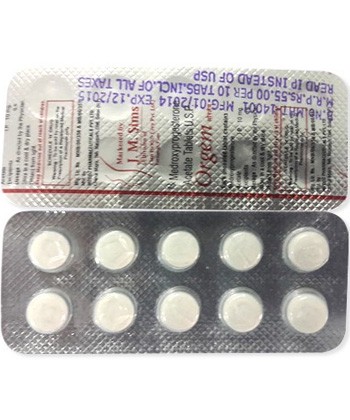
Medroxyprogesterone
- In our pharmacy, you can buy medroxyprogesterone without a prescription, with delivery in Australia in 5–14 days. It is a prescription-only medicine in most countries, but we can help you access it discreetly.
- Medroxyprogesterone is used for contraception, endometriosis, abnormal uterine bleeding, secondary amenorrhoea, hormone therapy, and some hormone-sensitive cancers. It is a progestogen that works by acting like progesterone, suppressing ovulation, thickening cervical mucus, and changing the uterine lining.
- The usual dose depends on the condition: 150 mg by intramuscular injection every 3 months for contraception, 104 mg by subcutaneous injection every 3 months, or 5–10 mg orally daily for 5–10 days for gynaecological conditions. Cancer treatment doses may be higher and are individually adjusted.
- The form of administration is a tablet, an intramuscular injection, or a subcutaneous injection, depending on the product.
- When taken by mouth, it may start working within a few hours to a few days. For contraceptive injections, protection begins after the injection is given, but it may take up to 7 days to become fully effective if started at the wrong time in the cycle.
- The duration of action is about 3 months for injectable forms, while oral treatment acts for the dosing period and must be taken as prescribed. Injectable contraceptive effects usually last 12–13 weeks.
- Alcohol should be limited or avoided, as it may worsen dizziness, nausea, or mood changes. If you have liver problems or are taking other medicines, check with a healthcare professional before drinking alcohol.
- The most common side effects are menstrual changes or absent periods, weight gain, headache, bloating, dizziness, mood changes, acne, hair loss, and decreased libido.
- Would you like to try medroxyprogesterone without a prescription?




Latest Research Findings On Medroxyprogesterone In Australia And Globally
Basic Medroxyprogesterone Information
- INN (International Nonproprietary Name): Medroxyprogesterone
- Brand names available in Australia: Provera; Depo-Provera; Depo-SubQ Provera 104; local generics may exist under national brands
- ATC Code: G03AC06; L02AB02; G03DA02
- Forms & dosages: Oral tablet 2.5 mg, 5 mg, 10 mg; IM suspension 150 mg/mL; subcutaneous injection 104 mg/0.65 mL
- Manufacturers in Australia: Pfizer; local supply may also include registered generics such as Teva, Mylan, and Sandoz
- Registration status in Australia: Prescription medicine, S4
- OTC / Rx classification: Prescription Only (S4 in Australia)
So what does the newer evidence actually say about medroxyprogesterone, especially if you are weighing up contraception, bleeding control, or endometriosis treatment?
Between 2022 and 2025, the clinical picture has stayed fairly consistent rather than dramatically shifting. DMPA safety remains a focus, particularly around bone health, mood effects, and bleeding patterns, while efficacy for contraception and menstrual suppression continues to look strong. International studies still support high continuation rates for depot contraception when people want a low-maintenance option. Australian clinicians generally interpret that evidence through PBS access, TGA-monitored prescribing, and local follow-up habits, rather than simply copying overseas practice.
For medroxyprogesterone acetate, the main message is balance. Injection forms such as Depo-Provera are valued for adherence, while oral Provera tablets are still used in cyclical regimens for gynaecological indications. Recent progestogen research also keeps bone density in view, especially with long-term DMPA use, and mood symptoms are still monitored closely in people with a history of depression.
| Source Lens | Key Benefit | Safety Observation |
|---|---|---|
| Australian guidance | Practical access, PBS-informed prescribing, routine review | Bone, mood, and bleeding checks are built into follow-up |
| TGA-aligned practice | Prescription-only use with indication-specific dosing | Screening for pregnancy, liver disease, and thromboembolic risk |
| International literature | Strong contraceptive efficacy and symptom control | Long-term DMPA may affect bone density and bleeding patterns |
In day-to-day pharmacy counselling, that usually translates to a simple question. Is the person after convenience, cycle control, or specialist therapy? That answer tends to guide the route, dose, and monitoring plan more than the brand name does.
Clinical Effectiveness In Australian Practice
Need something that works without taking a tablet every day?
That is where medroxyprogesterone often earns its place in Australian practice. The depot injection is popular for contraception because 12–13 week dosing suits people who want low-maintenance coverage, and it can help reduce the chance of missed doses. For many patients, that is the main advantage over daily oral therapy.
For routine care, medroxyprogesterone is used for contraception, abnormal uterine bleeding, endometriosis, and selected hormone-dependent cancers. The injection forms are especially useful when adherence is the deciding factor, while oral tablets are often used in cyclical treatment plans where the prescriber wants more flexible dose timing. GPs and gynaecologists in Australia usually review bleeding changes, weight, mood, and bone health over time, particularly when the medicine is used long term.
- IM injection
- 150 mg every 3 months, usually chosen for contraception and adherence support.
- Subcutaneous injection
- 104 mg every 3 months, useful when a smaller-volume injection is preferred.
- Oral tablets
- 5–10 mg daily for short cyclical courses, often used for menstrual or gynaecological symptoms.
Clinical effectiveness depends on the indication, not just the medicine itself. A patient with troublesome bleeding may do well on cyclical Provera tablets, while someone who wants an Australian contraception option that does not need daily attention may prefer a depot injection or another long-acting method.
Approved Indications And Off-Label Uses
What can medroxyprogesterone actually be prescribed for in Australia?
The answer depends on the route and the product. Some uses are standard and well established, while others are specialist-led and require careful consent. Australian prescribers commonly rely on PBS criteria, specialty guidelines, and the patient’s fertility plan, bleeding pattern, and past response to progestogens.
- Approved or common uses: contraception; endometriosis; uterine bleeding; secondary amenorrhoea.
- Specialist or less common use: endometrial carcinoma; renal carcinoma; other hormone-dependent cancer care under oncology supervision.
Medroxyprogesterone is classified under ATC code L02AB02 when used in endocrine therapy, which is why oncology use sits in a different clinical lane to contraception. In practice, that means the dose, route, and monitoring plan can look very different from one patient to the next.
On-label prescribing is straightforward when the product and indication match. Off-label use is common in gynaecology, but it still needs shared decision-making and informed consent. One important point is that oral Provera and depot formulations are not interchangeable without checking both the dose and the route.
Composition, Brands, And Product Forms Available
Which version is the one in the cupboard or on the script?
That question matters, because medroxyprogesterone comes in several very different forms. The active ingredient is the same progestogen, but the route and strength determine how it is used.
| Formulation | Strength | Packaging | Route |
|---|---|---|---|
| Provera tablets | 2.5 mg, 5 mg, 10 mg | Blister strips, bottles | Oral |
| Depo-Provera | 150 mg/mL | Pre-filled syringe, vial | Intramuscular |
| Depo-SubQ Provera 104 | 104 mg/0.65 mL | Prefilled syringe | Subcutaneous |
Pfizer is the main originator company linked with Depo-Provera and Depo-SubQ Provera 104. Local generics may also be registered under Australian and international approval pathways, and stock can differ between metropolitan and regional pharmacies. In practice, that means a patient in Sydney may find a product faster than someone in a smaller town, even when the medicine itself is approved.
The best-known brands are Provera, Depo-Provera, and Depo-SubQ Provera 104. Formulation checks are important because a tablet pack, a pre-filled syringe, and an intramuscular suspension are obviously not the same thing.
Contraindications, Warnings, And Special Precautions
Before anyone starts medroxyprogesterone, what needs to be ruled out?
Safety screening is essential, especially because this is an S4 medicine in Australia and should only be used after proper review. Absolute contraindications include pregnancy, active thromboembolic disease, unexplained vaginal bleeding, known or suspected breast or genital cancer, severe liver disease, and hypersensitivity to the medicine or excipients.
Data highlight: Long-term DMPA use is associated with concern about bone loss, so Australian clinicians often reassess treatment when use is prolonged. That is particularly relevant in people with osteoporosis risk, low body weight, limited calcium intake, or other fracture concerns.
- Seek medical advice before use if there is a history of depression.
- Seek medical advice before use if diabetes, hypertension, migraine, or hyperlipidaemia is present.
- Seek medical advice before use if pregnancy is uncertain or follow-up access is limited.
- Seek medical advice before use if liver impairment is known or suspected.
Common side effects can include menstrual irregularity, amenorrhoea, weight gain, headache, dizziness, bloating, mood change, acne, hair loss, and reduced libido. None of those automatically means the medicine must be stopped, but they do justify review if they are troublesome or persistent.
Dosage Guidelines And Australian Dosing Patterns
How is medroxyprogesterone actually dosed in practice?
The answer changes depending on the condition being treated. That is why pharmacy screening is so important, especially with telehealth repeats and e-prescriptions where the exact product may not be obvious at first glance.
| Indication | Route | Dose | Typical Schedule |
|---|---|---|---|
| Contraception | IM | 150 mg | Every 3 months |
| Contraception | SC | 104 mg | Every 3 months |
| Endometriosis, uterine bleeding, secondary amenorrhoea | Oral | 5–10 mg daily | For 5–10 days, often day 16–21 |
| Endometrial or renal carcinoma | IM | 200–400 mg weekly | Individualised specialist therapy |
For contraception, injections are generally repeated every 12–13 weeks. If an injection is delayed beyond 14 weeks, backup contraception is needed and pregnancy should be assessed. If an oral dose is missed, it should be taken when remembered unless the next dose is due soon, in which case it is skipped rather than doubled.
Dosage adjustment data are limited in children and older adults, so specialist advice is needed in those groups. Caution is also required in hepatic impairment because the medicine is metabolised hepatically.
Drug Interactions, Food, And Alcohol Considerations
Do food or drinks change how medroxyprogesterone works?
There are no major food restrictions, but alcohol may worsen dizziness or mood symptoms in some people. That is one reason pharmacists often ask about alcohol use when reviewing medroxyprogesterone safety, especially if the patient has a history of low mood or is already taking other medicines.
- Review medicines that affect bleeding, mood, liver function, or hormone metabolism.
- Ask a pharmacist if you are also taking complex medicines, including multiple prescriptions.
- Check interactions through a GP, community pharmacist, or e-health system before starting or changing therapy.
- Do not use the suspension if it is clumped or discoloured.
Storage is simple: keep it at 15–25°C, protect it from light and freezing, and handle it carefully in transit. If an overdose happens, supportive care is usually all that is required, with symptoms such as nausea, vomiting, or withdrawal bleeding.
In Australian community pharmacy settings, whether that is Chemist Warehouse, Priceline, or TerryWhite Chemmart, medicine review is often the easiest first step when a patient has questions about medroxyprogesterone safety.
Cultural Perceptions And Patient Habits In Australia
Why do some Australians choose a depot injection while others avoid it?
The answer is usually practical rather than dramatic. Many people are price-sensitive, trust their pharmacist, and prefer a method that reduces daily remembering. Others worry about weight gain, mood change, or whether fertility will return quickly after stopping.
- Privacy
- Some patients prefer an injection or a discreet pharmacy supply because it feels less obvious than a daily tablet.
- Affordability
- PBS subsidy and brand pricing can strongly shape what is chosen.
- Convenience
- Long-acting contraception is attractive for people juggling work, study, or caring roles.
- Access
- Rural patients often depend more on telehealth, local pharmacists, and planned repeat appointments than city patients do.
- Fertility questions
- People often want to know how long it may take for cycles to settle again after stopping.
Indigenous health services may focus heavily on culturally safe counselling, travel burden, and continuity of care. That is not about changing the medicine itself. It is about making sure the person can actually stay on treatment and feel respected while doing so.
Some patients in Australia will ask a pharmacist before they see a doctor again, particularly when they are comparing brands or trying to work out whether the next repeat is due.
Availability, Pharmacy Channels, And Pricing Patterns
Where do Australians usually get medroxyprogesterone?
Most people access it through a GP prescription, then collect it from a community pharmacy, hospital pharmacy, or an Australian-registered online pharmacy that dispenses only against a valid script. Telehealth-linked e-prescriptions have made this easier for regional users, especially when repeat visits are difficult.
| Access Route | Stock And Convenience | Pricing Pattern |
|---|---|---|
| PBS script through community pharmacy | Usually convenient, but stock varies by location | Out-of-pocket cost depends on PBS eligibility and listed indication |
| Private script | May be quicker if local stock is available | Private pricing varies between pharmacies and brands |
| Hospital pharmacy | Useful for specialist care and some cancer regimens | Billing depends on the care setting |
| Online pharmacy | Convenient for valid scripts and regional delivery | Must follow Australian prescription rules |
Major chains such as Chemist Warehouse, Priceline, and TerryWhite Chemmart may stock local generics, tablet blister packs, or pre-filled syringes depending on demand and region. Smaller centres can face longer wait times, especially if the exact formulation has to be ordered in.
In our online pharmacy, medroxyprogesterone is available without a prescription, with discreet delivery to Australia in 5-14 days. That sort of access is appealing for people who value privacy, but the formulation still has to match the intended use and the prescribing instructions must be checked carefully.
Comparable Medicines And Patient Preferences
How does medroxyprogesterone compare with other options?
Choice often comes down to contraception needs, bleeding control, endometriosis symptoms, side-effect tolerance, and fertility plans. Some people like oral tablets because they feel more in control. Others prefer injections because adherence is easier.
| Option | Convenience | Bleeding Control | Bone And Mood Considerations |
|---|---|---|---|
| Medroxyprogesterone | High with depot forms | Good for many patients | Bone and mood monitoring needed |
| Norethisterone | Oral and familiar | Useful for cyclical control | Depends on individual response |
| Levonorgestrel | Oral or implant forms available | Often strong for contraception | Different profile, especially with long-acting use |
| Desogestrel | Daily tablet | Variable | May suit people wanting oral dosing |
| Dienogest | Specialist use | Often considered in endometriosis | Chosen based on symptoms and comorbidity |
For some patients, PBS listing and local pharmacy availability shape the decision as much as clinical preference does. That is especially true when a person needs repeated access and wants the most practical option rather than the most familiar brand.
Frequently Asked Questions From Australian Patients
How long does a medroxyprogesterone injection last?
Repeat injections are usually given every 12–13 weeks.
Can it affect periods or fertility?
Yes, periods can become irregular or stop, and fertility may take time to return after stopping.
What if I miss my injection?
If more than 14 weeks have passed, backup contraception is usually needed and pregnancy should be assessed.
Is it safe if I have depression or bone concerns?
It may still be used, but it needs review because mood and bone health are monitored more closely in higher-risk patients.
If anything is unclear, a pharmacist or GP should review the exact product, route, and timing rather than guessing.
Proper Use, Counselling Points, And Pharmacist-Led Advice
What should a patient remember once medroxyprogesterone has been supplied?
Good counselling makes a big difference, especially when the same medicine is used for contraception in one person and cyclical gynaecological treatment in another. Pharmacists and GPs usually focus on timing, side effects, follow-up, and storage.
- Attend repeat injections on time, usually every 12–13 weeks.
- Report heavy bleeding, persistent spotting, or major mood changes early.
- Discuss weight, bone, or fertility concerns before they become a problem.
- Confirm pregnancy status if a dose is late or if the schedule has been missed.
- Store at 15–25°C, protect from light and freezing, and avoid using a suspension that is clumped or discoloured.
- Do not swap oral tablets and injections unless the prescriber has clearly directed that change.
This medicine works best when the person understands why that exact route was chosen. For some, convenience and privacy matter most. For others, cost, fertility plans, or culturally safe reproductive care matter more. Telehealth can support follow-up when access is limited, but it does not replace clear instructions.
Used correctly, medroxyprogesterone remains a useful progestogen in Australian practice, with a well-known place in contraception, gynaecology, and selected oncology care.
Delivery Across Australia
| City | Region | Delivery time |
|---|---|---|
| Sydney | New South Wales | 5-7 days |
| Melbourne | Victoria | 5-7 days |
| Brisbane | Queensland | 5-7 days |
| Perth | Western Australia | 5-7 days |
| Adelaide | South Australia | 5-7 days |
| Canberra | Australian Capital Territory | 5-7 days |
| Hobart | Tasmania | 5-7 days |
| Darwin | Northern Territory | 5-7 days |
| Gold Coast | Queensland | 5-7 days |
| Newcastle | New South Wales | 5-7 days |
| Wollongong | New South Wales | 5-7 days |
| Townsville | Queensland | 5-9 days |
| Geelong | Victoria | 5-7 days |
| Launceston | Tasmania | 5-9 days |