
Provera
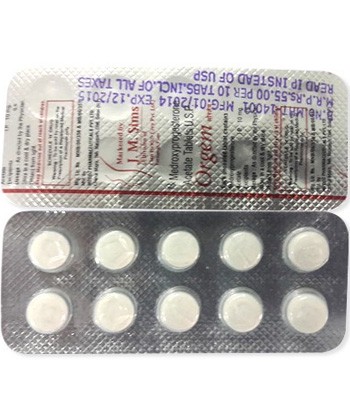
Provera
- Provera is normally supplied through community pharmacies, hospital pharmacies and licensed e‑pharmacies; in reviewed markets it is prescription‑only, though some pharmacies and online suppliers may sell it without a prescription — availability varies by country and seller, and purchasing without a prescription is not recommended without medical advice.
- Provera contains medroxyprogesterone acetate, a synthetic progestogen used for menstrual disorders, abnormal uterine bleeding, endometrial protection during oestrogen therapy and as a contraceptive (injectable). It works by activating progesterone receptors to stabilise the endometrium, reduce endometrial proliferation and, when given in depot form, suppress ovulation and gonadotrophin release.
- Usual adult dosages: oral tablets 5–10 mg daily for 5–10 days for abnormal uterine bleeding; for endometrial protection with oestrogen 5–10 mg daily for 12–14 days each month; injectable contraception: Depo‑Provera 150 mg IM every 3 months or Depo‑SubQ Provera 104 mg subcutaneously every 3 months. Tablet strengths commonly available are 2.5 mg, 5 mg and 10 mg.
- Administration forms: oral tablets (daily dosing) and intramuscular or subcutaneous injections (depot contraceptive preparations supplied as vials or prefilled syringes).
- Onset time: oral progestogen effects on bleeding and endometrial change are usually evident within 1–3 days of starting treatment; depot injectable contraception achieves contraceptive effect rapidly (often within 24–48 hours if given at the appropriate time in the cycle).
- Duration of action: oral effects last only while the drug is taken (regimen dependent); injectable depots provide effective contraception for approximately 12–13 weeks (about 3 months) per dose, with menstrual changes sometimes persisting for months after cessation.
- Alcohol warning: moderate alcohol use does not significantly alter Provera’s contraceptive effect, but alcohol can worsen side effects such as dizziness, drowsiness, nausea and mood changes — avoid heavy drinking and seek advice from your clinician if you experience worsened symptoms.
- The most common side effects are menstrual irregularities (spotting or amenorrhoea), weight gain, headache, breast tenderness, bloating or nausea, mood changes and, for injectables, injection‑site reactions.
- Would you like to try Provera without a prescription?


Basic Provera Information
- INN (International Nonproprietary Name): Medroxyprogesterone acetate.
- Brand Names Available In Australia: not specified.
- ATC Code: G03DA02.
- Forms & Dosages: Oral tablets 2.5 mg, 5 mg, 10 mg; injectable forms 104 mg and 150 mg per mL (Depo-SubQ Provera 104 mg/0.65 mL and Depo-Provera 150 mg/mL) as detailed in product dossiers.
- Manufacturers In Australia: not specified.
- Registration Status In Australia: not specified.
- OTC / Rx Classification: Prescription only (Rx).
Latest Research Highlights
What does recent research tell Australians about medroxyprogesterone acetate and Depo-Provera?
Systematic reviews and cohort studies from 2022–2025 continue to support medroxyprogesterone acetate for controlling abnormal uterine bleeding and for protecting the endometrium when combined with oestrogen.
Injectable Depo-Provera remains a highly effective single-agent contraceptive given every three months.
Multiple studies show a consistent signal of reversible decreases in bone mineral density with prolonged injectable use, and an association with weight change in some cohorts.
Spontaneous adverse-event reporting patterns to the TGA in Australia align with international data showing menstrual irregularities, mood changes and injection-site reactions as the most commonly reported events.
Rarer thromboembolic signals appear primarily in older or postmenopausal cohorts using progestogens, so specialist review is advised when risk factors exist.
Comparative effectiveness reviews indicate oral medroxyprogesterone acetate (Provera) at 5–10 mg regimens reliably induces withdrawal bleeding in secondary amenorrhoea and provides endometrial protection when dosed cyclically.
Australian pharmacoepidemiology studies up to 2024 note continued use of medroxyprogesterone for menstrual control in rural telehealth settings and mixed prescribing patterns between urban and regional clinics.
| Study Type | Outcome | Safety Observations |
|---|---|---|
| Systematic Reviews (2022–2025) | Efficacy for abnormal uterine bleeding; endometrial protection with oestrogen. | Menstrual changes, mood effects; rare thromboembolism signals in older cohorts. |
| Cohort Studies | Depo-Provera effective as 3-month contraceptive. | Reversible BMD decrease with prolonged use; weight change noted. |
| Australian Pharmacoepidemiology Reports | Similar adverse-event patterns to international datasets. | Injection-site reactions and menstrual irregularities predominate. |
Data highlights for bone mineral density emphasise review after two years of continuous injectable use.
Thromboembolism risk remains rare but warrants assessment in patients with cardiovascular risk factors.
Clinical Effectiveness In Australia
How well does Provera work in everyday Australian practice?
In primary care and specialised gynaecology clinics, oral medroxyprogesterone acetate reliably controls heavy or irregular bleeding when given as 5–10 mg for 5–10 days per cycle.
When combined with oestrogen in hormone replacement therapy, 5–10 mg daily for 12–14 days each month provides established endometrial protection.
For contraception, Depo-Provera 150 mg IM and Depo-SubQ 104 mg every three months deliver contraceptive efficacy comparable to international benchmarks.
Local TGA adverse-event datasets and clinic audits report side effects consistent with global profiles, including weight change, menstrual disturbance and mood symptoms.
Rare signals such as thromboembolism or hepatic events prompt specialist referral and targeted investigation in older or medically complex patients.
Effectiveness in Australia is influenced by PBS subsidy decisions and prescriber patterns that differ between urban and rural clinics.
Pharmacists play a key role in counselling on expected bleeding changes, injection scheduling and bone density monitoring for long-term users.
| Outcome | Effectiveness | Common Adverse Events |
|---|---|---|
| Bleeding Control (Oral) | High with 5–10 mg for 5–10 days per cycle. | Spotting, withdrawal bleeding variability. |
| Endometrial Protection (HRT) | Effective with 12–14 days/month dosing. | Breast tenderness, bloating. |
| Contraception (Injectable) | High efficacy when administered every 3 months. | Weight gain, mood changes, injection-site pain. |
Monitoring checkpoints:
- Bone mineral density assessment if injectable contraception continues beyond two years.
- Mood screening at baseline and during follow-up for patients with a history of depression.
- Liver function tests where hepatic disease or symptoms suggest risk.
Indications & Expanded Uses
What is medroxyprogesterone acetate approved for, and where is it used off-label?
TGA-aligned indications include menstrual disorders such as secondary amenorrhoea and abnormal uterine bleeding, endometrial hyperplasia prevention in oestrogen therapy, and contraception in injectable form.
Off-label uses reported in specialist Australian clinics include short-course induction of withdrawal bleeding for diagnostic work-up and adjunctive symptom control in endometriosis.
Some specialists use medroxyprogesterone in selected hormone-sparing regimens, guided by individual risk assessment and shared decision-making.
Geriatric contexts require caution because of higher thrombotic and dementia-related safety concerns.
In Aboriginal and Torres Strait Islander health settings, careful shared decision-making is recommended given higher baseline cardiovascular risk in some communities.
Pregnancy is an absolute contraindication until pregnancy is excluded.
- Approved Uses: Secondary amenorrhoea, abnormal uterine bleeding, endometrial protection with oestrogen, injectable contraception.
- Off-Label Uses: Diagnostic induction of withdrawal bleeding, symptomatic adjunct for endometriosis, selected hormone-sparing protocols under specialist care.
Checklist For Prescribers Considering Off-Label Trial:
- Confirm clinical indication and alternative options.
- Document informed consent and expected outcomes.
- Assess thromboembolic and hepatic risk factors.
- Plan monitoring schedule for bleeding response and side effects.
Composition & Brand Landscape
What forms and brands of medroxyprogesterone acetate should Australian pharmacists expect to see?
The active ingredient is medroxyprogesterone acetate (INN).
Oral tablet strengths commonly sold internationally are 2.5 mg, 5 mg and 10 mg in various pack sizes.
Injectable contraceptives include Depo-Provera 150 mg/mL for intramuscular use and Depo-SubQ Provera 104 mg/0.65 mL for subcutaneous administration.
Pfizer Inc. is a primary global supplier of Provera, while generic manufacturers supply tablets and some regions import injectable vials or prefilled syringes from global distributors.
Australian brand listings and sponsors vary and pharmacists should check TGA ARTG entries before supply.
| Form | Strengths | Common Pack Sizes / Notes |
|---|---|---|
| Tablet (Oral) | 2.5 mg, 5 mg, 10 mg | Bottles commonly 30, 100 or 500 in international markets; local pack sizes may vary. |
| Injection (IM/SQ) | 150 mg/mL (IM), 104 mg/0.65 mL (SQ) | Vials and prefilled syringes for clinic administration. |
Pharmacists should confirm sponsor details and pack sizes in ARTG listings before ordering.
Contraindications & Special Precautions
Who should not take medroxyprogesterone acetate, and who needs extra caution?
Absolute contraindications include hypersensitivity to medroxyprogesterone acetate, active thromboembolic disease, suspected or confirmed breast or genital malignancy, undiagnosed vaginal bleeding, significant liver disease and pregnancy until excluded.
Relative contraindications requiring closer monitoring include a history of depression, migraine, epilepsy, diabetes with vascular complications, asthma, hypertension and renal dysfunction.
Elderly patients present higher thrombotic and possible dementia-related risks, so use with caution and specialist input where indicated.
Aboriginal and Torres Strait Islander patients may require adapted counselling because of higher baseline metabolic and cardiovascular risk in some communities.
Workplace safety: counsel patients in safety-critical or shift-worker roles about possible drowsiness or mood effects that may impact performance.
Driving: advise patients not to drive if they experience dizziness or sedation after starting therapy.
- Absolute Contraindications: hypersensitivity, active thromboembolism, breast/genital malignancy, undiagnosed bleeding, severe liver disease, pregnancy.
- Relative Contraindications: depression, migraine, epilepsy, cardiovascular risk, diabetes with complications, asthma, hypertension.
Dosage Guidelines
What doses are standard and how should they be adjusted?
Standard oral dosing for secondary amenorrhoea or abnormal uterine bleeding is 5–10 mg daily for 5–10 days, commonly started between day 16 and day 21 of the cycle.
For endometrial protection in HRT regimens, 5–10 mg daily for 12–14 consecutive days per month is standard.
Injectable contraception doses are Depo-Provera 150 mg IM every three months and Depo-SubQ Provera 104 mg subcutaneously every three months.
Use caution in elderly patients but routine dose adjustment is not usually required.
Medroxyprogesterone acetate is contraindicated in significant hepatic impairment and dosing should be avoided or specialist-guided in such cases.
In children the product is not approved except under specialist direction and with individualised dosing.
| Indication | Dose | Duration / Monitoring |
|---|---|---|
| Secondary Amenorrhoea / Abnormal Bleeding | 5–10 mg oral daily | 5–10 days; monitor bleeding response. |
| Endometrial Protection (HRT) | 5–10 mg oral daily | 12–14 days per month; continue while oestrogen given. |
| Contraception (Injectable) | 150 mg IM or 104 mg SQ every 3 months | Assess BMD if used continuously beyond 2 years. |
Missed dose advice:
- Oral missed dose: take if remembered on the same day; otherwise skip and do not double up.
- Missed injection: give as soon as possible and consider backup contraception when delayed.
Interactions Overview
Which drugs and lifestyle factors can affect medroxyprogesterone acetate?
There are limited direct food interactions, but counsel about alcohol and potential weight change risks.
Clinically important interactions occur with enzyme-inducing medicines such as certain anticonvulsants and rifampicin, which may reduce contraceptive efficacy.
Interactions with some antiretrovirals and antifungals may also require review and specialist input for contraceptive reliability.
Concomitant oestrogen therapy is common in HRT and requires coordinated dosing for endometrial protection.
Pharmacists should check e-health medication records for polypharmacy and alert prescribers where interactions or hepatic impairment are present.
- Drug Classes To Check: enzyme inducers (carbamazepine, phenytoin, rifampicin), some antiretrovirals, certain azole antifungals.
- Practical Pharmacy Flow: review current medicines, flag enzyme inducers, advise backup contraception as needed.
Cultural Perceptions & Patient Habits In Australia
How do Australians view Provera and injectable contraception?
Patients tend to be pragmatic and price-sensitive, often relying on PBS subsidies or comparing retail prices between major chains.
Telehealth and e-prescriptions have increased access to menstrual control and HRT, especially in urban and remote communities.
Rural patients may find clinic access for injectables more challenging and rely on local pharmacies or visiting clinics for administration.
Common patient concerns relate to weight gain and long-term bone health with injectable contraception.
Community trust varies between oral and injectable options, with some patients preferring the convenience of injectables despite clinic visit requirements.
Cultural competence matters when counselling Aboriginal and Torres Strait Islander patients, who benefit from community-led education and shared decision-making.
Patient Persona Vignettes:
- Young woman in Brisbane seeking short-course Provera for heavy periods and wanting clear expectations on bleeding changes.
- Remote community patient preferring Depo-SubQ because it reduces daily pill burden but needing local clinic scheduling for injections.
Culturally Adapted Counselling Prompts:
- Use plain language and visual aids for health literacy differences.
- Offer community liaison or Aboriginal health worker involvement where available.
- Discuss bone health and weight concerns openly and offer follow-up planning.
Availability & Pricing Patterns
How available is medroxyprogesterone acetate across Australian retail and PBS channels?
Medroxyprogesterone acetate is a prescription-only medicine in reviewed markets.
In Australia, tablets and injectables may appear through the PBS for specific indications or via private prescription depending on listing status.
Major retail chains and accredited online pharmacies supply oral generics, and price-sensitive consumers compare prices across outlets.
Injectables require clinical administration and rural clinics may stock Depo-SubQ to facilitate local delivery.
PBS coverage reduces out-of-pocket costs for listed indications while private prescriptions vary widely in price.
Pharmacies should verify ARTG entries and check storage requirements for injectable stock.
| Supply Route | Typical Price Driver | Pharmacy Checklist |
|---|---|---|
| PBS Listing | Subsidy depends on approved indication. | Confirm PBS criteria before dispensing. |
| Private Prescription | Market price and import status affect cost. | Advise patient on likely out-of-pocket cost. |
Storage reminder for injectables: maintain recommended temperature range and protect from light during transport and storage.
In our online pharmacy, provera is available without a prescription, with discreet delivery to Australia in 5-14 days.
Comparable Medicines And Preferences
Which alternatives are commonly used in Australia and how do they compare?
Alternatives include norethindrone acetate, drospirenone, micronised progesterone and levonorgestrel products.
Choice depends on the clinical indication, patient preferences and tolerance profile.
Injectable progestogens offer high adherence but carry bone density concerns with long-term use.
Oral alternatives may be preferred where mood or metabolic profile is a concern.
In Indigenous and rural populations, access and cultural acceptability influence preference between oral self-managed tablets and clinic-based injectables.
| Medicine | Indication | Key Pros | Key Risks |
|---|---|---|---|
| Norethindrone Acetate | Bleeding control, HRT | Oral dosing, familiar option | Similar progestogenic side effects |
| Micronised Progesterone | HRT endometrial protection | Potentially different mood/metabolic profile | Less evidence for contraception |
| Levonorgestrel Products | Contraception, emergency use | Wide range of formulations | Local and systemic side effects vary |
Pros/Cons Checklist:
- Injectables: fewer adherence lapses but BMD surveillance needed long term.
- Orals: easier access and self-management but daily adherence required.
FAQ
Will Provera make me gain weight?
Weight changes are reported with Provera and Depo-Provera.
Monitor weight and offer lifestyle counselling or referral to dietetic services if concerned.
Is Depo-Provera safe long-term?
Depo-Provera is an effective contraceptive, but bone mineral density monitoring is recommended if use continues beyond two years.
Discuss alternative methods if BMD risk is a concern.
Can I get Provera on the PBS?
PBS listing depends on the indication and clinical criteria.
Check the PBS schedule or discuss PBS eligibility with the prescriber.
Can I use Provera while breastfeeding?
Specialist guidance is advised for postpartum and breastfeeding use.
Some formulations may be acceptable, but timing postpartum and the specific product affect recommendations.
Referral Flowchart For Escalation:
- Identify red flags: severe mood change, unexplained bleeding, thromboembolic symptoms.
- Stop medication if severe adverse event suspected and refer urgently.
- Arrange specialist gynaecology or endocrinology review as indicated.
Guidelines For Proper Use
What should pharmacists say and document when dispensing Provera or arranging injections?
Confirm the indication and check TGA/PBS eligibility before supply.
Review absolute and relative contraindications, with special attention to thromboembolism and liver disease.
Explain likely side effects such as menstrual changes, mood shifts and weight changes.
For injectables arrange appointment scheduling for repeat dosing and ensure cold-chain checks and correct storage.
Document administration in My Health Record where consented and appropriate.
Shared decision-making templates should include cultural safety prompts for Aboriginal and Torres Strait Islander patients and practical follow-up plans for rural patients.
Monitoring Milestones:
- BMD assessment if injectable contraception continues beyond two years.
- Mood screening at baseline and periodically for patients with a mental health history.
- Liver function testing if hepatic risk factors are present.
Dispensing Workflow Checklist:
- Verify prescription details and ARTG sponsor if importing.
- Screen for contraindications and relevant drug interactions.
- Provide counselling script covering dose, missed-dose advice and side effects.
- Arrange injection administration and follow-up reminders where relevant.
Counselling Script (Short):
"This medicine is medroxyprogesterone acetate, often sold as Provera or Depo-Provera for injections.
Take tablets exactly as prescribed for bleeding or use injections every three months for contraception.
Expect possible changes to bleeding, mood and weight and contact us or your prescriber if severe symptoms occur."
Delivery Across Australia
| City | Region | Delivery Time |
|---|---|---|
| Sydney | New South Wales | 5-7 days |
| Melbourne | Victoria | 5-7 days |
| Brisbane | Queensland | 5-7 days |
| Perth | Western Australia | 5-7 days |
| Adelaide | South Australia | 5-7 days |
| Canberra | Australian Capital Territory | 5-7 days |
| Hobart | Tasmania | 5-7 days |
| Darwin | Northern Territory | 5-7 days |
| Gold Coast | Queensland | 5-7 days |
| Newcastle | New South Wales | 5-7 days |
| Wollongong | New South Wales | 5-7 days |
| Geelong | Victoria | 5-7 days |
| Cairns | Queensland | 5-9 days |
| Townsville | Queensland | 5-9 days |
| Alice Springs | Northern Territory | 5-9 days |