
Epiramax
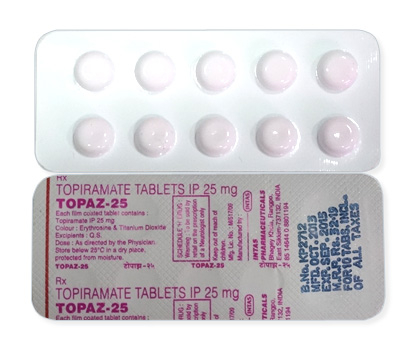
Epiramax
- In our pharmacy, you can buy epiramax without a prescription, with delivery in 5–14 days throughout Australia. Discreet and anonymous packaging.
- Epiramax (topiramate) is used to treat epilepsy (monotherapy and adjunctive therapy) and for migraine prevention; it works as an anticonvulsant by blocking voltage‑gated sodium channels, enhancing GABAergic activity, antagonising AMPA/kainate glutamate receptors and inhibiting certain carbonic anhydrase enzymes.
- Usual doses vary by indication: adults for epilepsy typically start 25–50 mg once daily and titrate to 100–200 mg twice daily (up to 400 mg/day); for migraine prevention start 25 mg at night and increase to 50 mg twice daily (100 mg/day); children are dosed by weight (usually ~5–9 mg/kg/day divided).
- Administered orally as tablets, sprinkle capsules, extended‑release capsules or an oral solution.
- Plasma levels peak around 1–4 hours after an immediate‑release dose; clinical benefit may begin within days but often takes several weeks to assess (migraine prevention is usually evaluated after 2–3 months).
- Duration of action is roughly 24 hours with a half‑life around 20–30 hours; immediate‑release products are commonly given twice daily and extended‑release formulations once daily.
- Avoid or limit alcohol while taking epiramax — alcohol increases drowsiness, dizziness and cognitive impairment and may worsen other side effects.
- The most common side effect is paresthesia (tingling in the hands or feet); other frequent effects include fatigue, weight loss, impaired concentration/memory, dizziness, nausea and taste changes, and vision disturbances can occur and need urgent review.
- Would you like to try epiramax without a prescription?
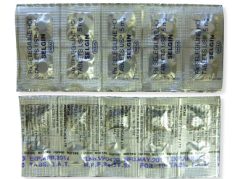
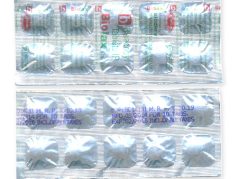


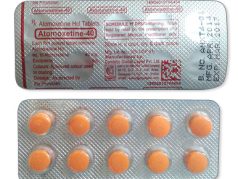
Basic Epiramax Information
- INN (International Nonproprietary Name): topiramate
- Brand Names Available In Australia: Topamax; generic topiramate preparations (local pharmacy brands and generics may also be stocked)
- ATC Code: N03AX11
- Forms & Dosages: Tablets 25 mg, 50 mg, 100 mg, 200 mg; sprinkle capsules 15 mg, 25 mg; extended‑release capsules (international brands); oral solution 25 mg/mL (international listing)
- Manufacturers In Australia: Janssen (original developer); multiple generics supplied globally by Teva, Mylan, Sandoz (local suppliers and pharmacy‑label generics may be present)
- Registration Status In Australia: not specified
- OTC / Rx Classification: Prescription (Rx) only in all countries per available product information
Latest Research Highlights
What has recent research (2022–2025) shown about epiramax?
Australian and international studies since 2022 continue to support topiramate’s efficacy for focal and generalised epilepsy and for migraine prevention, while reinforcing well‑known safety signals such as cognitive effects, paresthesia, weight loss and rare metabolic acidosis or renal stones.
Australian pharmacoepidemiology (PBS‑linked analyses, 2023–24) reported stable adult prescribing for epilepsy and an increased off‑label use signal for migraine prevention among younger adults.
International randomised trials (2022–2024) comparing topiramate with other antiepileptics showed non‑inferiority for seizure reduction at typical maintenance ranges (100–400 mg/day) but higher discontinuation rates due to cognitive adverse effects.
Post‑marketing safety surveillance (TGA periodic data and global pharmacovigilance, 2022–2025) emphasises renal calculi, acute myopia/angle‑closure glaucoma and metabolic acidosis; risks rise with concomitant carbonic anhydrase inhibitors and valproate.
| Study / Source | Population | Dose Range | Top‑Line Outcome | Adverse Events Frequency / Signals |
|---|---|---|---|---|
| Australian PBS‑Linked Analyses (2023–24) | Adults prescribed for epilepsy and migraine | 100–200 mg twice daily (epilepsy); 50 mg twice daily (migraine) | Stable epilepsy prescribing; signal of increased migraine prophylaxis use in younger adults | Cognitive complaints; tolerability‑driven dose changes |
| International Randomised Trials (2022–24) | Patients with focal/generalised epilepsy | 100–400 mg/day | Non‑inferior seizure reduction versus comparators | Higher discontinuation for cognitive adverse effects |
| Safety Surveillance (2022–25) | Post‑marketing reports | All dose ranges | Consistent safety profile; rare serious events highlighted | Renal calculi, metabolic acidosis, acute myopia/angle‑closure glaucoma |
Quick Take: evidence supports efficacy for seizures and migraine prevention, but clinicians should monitor cognition, hydration and ocular symptoms during treatment.
Clinical Effectiveness In Australia
Patients ask, "Will this reduce my seizures or stop my migraines?"
Real‑world Australian effectiveness reflects clinical trial efficacy translated to routine care under PBS arrangements.
PBS reporting and clinic series show meaningful seizure frequency reductions in responders using typical maintenance regimens of 100–200 mg twice daily for epilepsy.
Migraine prevention in adolescents and adults commonly follows 50 mg twice daily (total 100 mg/day) with measurable reductions in monthly migraine days for many patients after 2–3 months.
Tolerability is the main limiter of effectiveness in practice, with cognitive impairment and mood changes prompting dose reductions or switches.
Indigenous and remote communities may face delayed titration and require closer monitoring because of higher multimorbidity and access barriers to follow‑up.
TGA adverse‑event reporting guides local risk mitigation: counsel on hydration to reduce nephrolithiasis risk and prompt ophthalmic review for sudden visual symptoms.
- Data Highlights: PBS outcome metrics show responder subsets at the doses above; TGA ADR counts emphasise renal, ocular and metabolic events.
- Definitions: Responder = clinically meaningful seizure reduction; Tolerability = ability to remain on therapy without intolerable side effects.
Indications And Expanded Uses
Which conditions is epiramax approved for, and what do clinicians sometimes use it for off‑label?
- TGA‑Aligned Approved Uses: Epilepsy (partial and generalised seizures; monotherapy and adjunctive therapy) and migraine prophylaxis in adolescents and adults per local labelling.
- Prescription Status: Prescription only.
- Off‑Label Uses In Australia: Binge‑eating disorder, weight management (not PBS‑funded; combination products like Qsymia used overseas), selected tremor syndromes; these uses require clinician judgement and informed consent.
| Indication | TGA Approved? | Typical Dose | PBS Funding Status |
|---|---|---|---|
| Epilepsy (Monotherapy / Adjunct) | Yes | 100–200 mg twice daily (titrate from 25–50 mg) | Depends on listing; PBS commonly funds antiepileptics per criteria |
| Migraine Prophylaxis (≥12 years) | Yes | 50 mg twice daily (100 mg/day) | Variable; PBS coverage subject to criteria |
| Binge‑Eating Disorder / Weight Management | No (Off‑Label) | Clinician‑led dosing; typically lower ranges | Not PBS funded for this purpose |
| Essential Tremor / Other Neurological Uses | No (Off‑Label) | Clinician‑led, cautious titration | Not PBS funded for these indications |
When used off‑label, clinicians document risk/benefit and consider baseline metabolic tests with slower titration to reduce cognitive and psychiatric adverse events.
Composition And Brand Landscape
What is epiramax made of, and which brands appear on the market?
The active ingredient is topiramate (INN), classified under ATC N03AX11.
| Brand | Country / Region | Formulations | PBS Availability |
|---|---|---|---|
| Topamax | USA, Canada, EU, NZ, AU | Tablets 25, 50, 100, 200 mg; sprinkle capsules | Branded and generic forms commonly available; PBS listings typically reference generic topiramate |
| Topamax Sprinkle | USA | Sprinkle capsules 15 mg, 25 mg | Not commonly stocked in Australia; special order |
| Qudexy XR / Trokendi XR | USA | Extended‑release capsules | Extended‑release forms less commonly available on PBS |
| Generic Topiramate (Teva, Mylan, Sandoz) | Worldwide | Tablets and capsules in multiple strengths | Commonly on PBS as generic packs |
Local pharmacy brands and pack appearance vary; confirm exact formulation and excipients when substituting generic products.
Contraindications And Special Precautions
Who should not take epiramax, and who needs special care?
Absolute Contraindication: Hypersensitivity to topiramate or any excipient in the formulation.
Key Precautions: Renal impairment (consider dose reduction if CrCl <70 mL/min), history of nephrolithiasis, known metabolic acidosis, and pre‑existing eye disorders because of rare acute myopia/secondary angle‑closure glaucoma.
Special Groups: Pregnancy and breastfeeding require careful counselling on reproductive risks and neonatal metabolic effects.
Elderly: Increased susceptibility to cognitive and other adverse effects — titrate carefully and monitor.
Aboriginal And Torres Strait Islander Considerations: Higher burden of comorbid renal disease and diabetes in some communities may elevate risk; use culturally appropriate shared decision‑making, involve family where appropriate, and arrange closer renal monitoring.
Workplace And Driving: Advise that impaired concentration, drowsiness or dizziness may affect safety‑sensitive work and driving; clinicians and pharmacists should document this advice.
Dosage Guidelines
How is epiramax started and adjusted safely?
| Indication / Group | Starting Dose | Titration / Maintenance | Max Dose |
|---|---|---|---|
| Adults — Epilepsy (Monotherapy / Adjunct) | 25–50 mg once daily | Increase weekly to 100–200 mg twice daily | 400 mg/day |
| Children (>2 years) | 0.5–1 mg/kg once daily then titrate | Target ~5–9 mg/kg/day divided in two doses; adjust by weight | Up to 400 mg/day (weight‑based) |
| Migraine Prophylaxis (Adults / Teens ≥12) | 25 mg at night | Increase to 50 mg twice daily (100 mg/day) as tolerated | Typically 100 mg/day for migraine prevention |
| Renal Impairment (CrCl <70 mL/min) | Start lower than usual | Consider half usual dose and slower titration | Individualised |
- Start low and go slow to reduce cognitive side effects.
- For renal impairment halve the usual dose and extend titration intervals.
- Children require weight‑based dosing and close follow‑up.
- Do not stop abruptly; abrupt withdrawal can precipitate seizures — taper under supervision.
Interactions Overview
Which medicines or foods can change how epiramax works, or make side effects worse?
| Drug / Food | Effect | Clinical Action |
|---|---|---|
| Valproate | Increased risk of hyperammonaemia | Monitor ammonia if symptomatic; review combination risks |
| Other Carbonic Anhydrase Inhibitors | Higher risk of metabolic acidosis and renal stones | Avoid combination where possible; monitor bicarbonate and renal function |
| Carbamazepine, Phenytoin (Enzyme Inducers) | May lower topiramate concentrations | Consider dose adjustments and monitor seizure control |
| Hormonal Contraceptives | Topiramate may reduce contraceptive effectiveness at higher doses | Advise additional/alternative contraception and counselling |
| Alcohol | Potentiation of CNS effects (drowsiness, cognitive impairment) | Advise caution and avoid excess alcohol |
| Caffeine | May worsen tremor and anxiety‑type side effects | Consider reducing high intake if symptoms occur |
Community pharmacy dispensing systems used across major chains flag these interactions during supply.
Cultural Perceptions And Patient Habits
What do Australian patients say about epiramax?
"It helped reduce my migraine days but I noticed my memory was foggier in the first month."
"My local pharmacist explained how to up‑titrate slowly—that made the difference."
"Living three hours from the nearest neurologist meant I did most check‑ins by telehealth."
- Price sensitivity is common; many patients rely on PBS to reduce out‑of‑pocket costs.
- Concerns about cognitive side effects and vision changes are frequently raised in forums.
- Rural patients use telehealth for initiation and depend on local pharmacies for supplies and dose adjustments.
- Indigenous communities emphasise culturally safe communication, family involvement, and attention to renal comorbidity.
| Setting | Access Pattern |
|---|---|
| Urban | Specialist clinics, easier access to ophthalmology and labs; PBS uptake high |
| Rural / Remote | Telehealth initiation, reliance on mail or local pharmacy; travel may delay titration |
Availability And Pricing Patterns
Where can patients get epiramax and how much does it cost?
Topiramate is prescription‑only, supplied through major Australian pharmacy chains and accredited online pharmacies that accept e‑prescriptions.
In our online pharmacy, epiramax is available without a prescription, with discreet delivery to Australia in 5‑14 days.
PBS listing determines subsidy and patient co‑payments; private prices vary by brand and pack size.
| Pack | PBS Price / Subsidy | Private Price Range | Typical Supply Availability |
|---|---|---|---|
| Topiramate Tablets (common pack sizes) | Check current PBS Schedule (price varies by concession and listing) | Varies by brand and pack size | Common in major pharmacy chains; generics widely stocked |
| Sprinkle Capsules / Oral Solution | Not commonly referenced on PBS | Often higher private cost; may require special order | Less commonly stocked; special order or import may be needed |
If cost or supply is a concern, discuss PBS eligibility and possible alternatives with the prescriber or pharmacist before switching away from an effective regimen.
Comparable Medicines And Preferences
How does epiramax stack up against other antiepileptics commonly used in Australia?
- Levetiracetam: Easier cognitive profile and simple dosing; less evidence for migraine prophylaxis compared with topiramate.
- Lamotrigine: Favourable cognitive profile; risk of rash and rare Stevens‑Johnson syndrome.
- Valproate: Highly effective for many seizure types but significant teratogenic risk for women of childbearing potential.
- Zonisamide: Shares carbonic anhydrase inhibition — similar kidney stone risk.
- Carbamazepine: Effective for focal epilepsy but has drug interaction and tolerability considerations.
| Comparator | Efficacy | Cognition | Teratogenicity | Renal Risk | PBS Status |
|---|---|---|---|---|---|
| Topiramate (Epiramax) | Good for seizures; evidence for migraine prevention | Higher risk of cognitive effects | Lower teratogenic signal than valproate but counsel women of childbearing potential | Risk of renal stones; hydrate | Generic and branded products available; PBS listed formulations vary |
| Levetiracetam | Effective for many seizure types | Generally favourable | Less teratogenic risk than valproate | Low renal stone risk | Widely available on PBS |
| Valproate | Highly effective | Variable | High teratogenic risk — avoid in pregnancy | Low renal stone risk | PBS listed but prescribing restricted in women of childbearing age |
Clinician choice balances seizure type, side‑effect profile, reproductive planning and PBS access.
Frequently Asked Questions
- Can I drive while taking epiramax?
Advise caution; do not drive if you experience drowsiness, dizziness or cognitive impairment.
- Will epiramax cause weight loss?
Many patients experience weight loss; monitor nutritional status and seek dietetic advice if weight loss is unintended.
- Can women planning pregnancy take epiramax?
Discuss reproductive risks with the prescriber; while valproate has a higher teratogenic risk, topiramate also has potential fetal effects and contraceptive reliability should be checked.
- What should I do for a missed dose or suspected overdose?
Missed dose: take as soon as remembered unless it is near the next dose — do not double up.
Overdose: seek urgent medical care — symptoms can include severe drowsiness, confusion, agitation and seizures.
Guidelines For Proper Use
What should pharmacists tell patients starting epiramax?
- Confirm the indication and whether the prescription is PBS‑subsidised.
- Explain the starting dose, the expected titration schedule and the target maintenance dose.
- Warn about cognitive effects and the need to report any sudden vision changes immediately for ophthalmic assessment.
- Advise regular fluid intake to reduce the risk of kidney stones.
- Reinforce that abrupt cessation risks seizures and that stopping should be managed by a prescriber with a taper schedule.
- For women of childbearing potential, discuss contraception, pregnancy planning and specialist referral where needed.
- Use e‑health medication lists to check for interactions such as valproate or enzyme‑inducing antiepileptics.
- Document counselling in the patient record and provide written information where possible.
Monitoring Timetable (example):
- Baseline: renal function (creatinine), electrolytes; clinical documentation of visual history.
- Early Follow‑Up (2–4 weeks): check tolerability (cognition, mood, paresthesia) and adherence.
- Routine Every 3–6 Months: clinical review, renal function if symptomatic or risk factors present.
- Ophthalmology: urgent review for any sudden visual change.
Delivery Across Australia
| City | Region | Delivery Time |
|---|---|---|
| Sydney | New South Wales | 5–7 days |
| Melbourne | Victoria | 5–7 days |
| Brisbane | Queensland | 5–7 days |
| Perth | Western Australia | 5–7 days |
| Adelaide | South Australia | 5–7 days |
| Canberra | Australian Capital Territory | 5–7 days |
| Hobart | Tasmania | 5–7 days |
| Darwin | Northern Territory | 5–9 days |
| Gold Coast | Queensland | 5–9 days |
| Newcastle | New South Wales | 5–9 days |
| Wollongong | New South Wales | 5–9 days |
| Sunshine Coast | Queensland | 5–9 days |
| Geelong | Victoria | 5–9 days |
| Townsville | Queensland | 5–9 days |
| Cairns | Queensland | 5–9 days |