
Clarithromycin
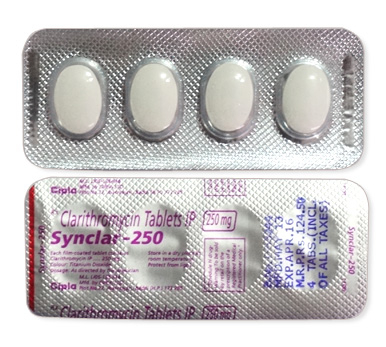
Clarithromycin
- In our pharmacy you can buy clarithromycin without a prescription, with delivery across Australia and discreet packaging; please note that in most countries clarithromycin is prescription-only and should normally be used under medical supervision.
- Clarithromycin is a macrolide antibiotic used for respiratory tract infections, skin and soft-tissue infections, H. pylori eradication (as part of combination therapy) and some mycobacterial infections; it works by binding to the bacterial 50S ribosomal subunit to inhibit protein synthesis.
- Usual adult doses: 250–500 mg every 12 hours (common regimens include 500 mg twice daily for H. pylori); paediatric dosing is weight-based (about 7.5 mg/kg twice daily, up to adult doses); adjust in severe renal impairment.
- Oral administration: film‑coated tablets (250 mg, 500 mg), extended‑release tablets (500 mg), and oral suspensions/granules for paediatric use (125 mg/5 mL, 250 mg/5 mL).
- Clarithromycin begins to act within a few hours of the first dose (drug levels peak in a few hours); many patients notice symptomatic improvement within 24–48 hours.
- The duration of action for standard tablets is roughly 12 hours (hence twice‑daily dosing); extended‑release formulations provide around 24‑hour coverage.
- Avoid excessive alcohol while taking clarithromycin — alcohol can worsen side effects (especially gastrointestinal symptoms and, rarely, liver effects); consult a clinician if you have liver disease.
- The most common side effect is gastrointestinal upset (nausea and diarrhoea); other common effects include headache and altered taste (metallic taste).
- Would you like to try clarithromycin without a prescription?

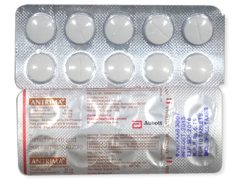
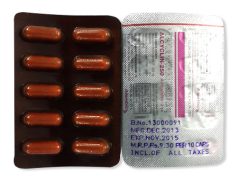

Basic Clarithromycin Information
- INN (International Nonproprietary Name): Clarithromycin (INN-latin: Clarithromycinum).
- Brand Names Available In Australia: Klacid; Clarithromycin Sandoz.
- ATC Code: J01FA09 (Macrolides).
- Forms & Dosages: Film-coated tablets 250 mg and 500 mg; extended-release 500 mg tablets; powder/granules for oral suspension 125 mg/5 mL and 250 mg/5 mL; paediatric suspension formulations 125 mg/5 mL and 250 mg/5 mL.
- Manufacturers In Australia: Marketed brands include Klacid (Abbott/AbbVie, Pfizer distribution historically) and generics such as Clarithromycin Sandoz; global manufacturers include Abbott/AbbVie, Sandoz, Pfizer and others.
- Registration Status In Australia: TGA registered.
- OTC / Rx Classification: Prescription-only (Rx) in Australia.
Latest Research Highlights
Patients often ask whether clarithromycin still works for H. pylori and common chest infections.
Recent surveillance and clinical studies from 2022–2024 show a continuing global decline in clarithromycin efficacy for H. pylori related to rising clarithromycin resistance.
Meta-analyses confirm eradication rates fall notably when clarithromycin resistance exceeds about 15%.
Australian hospital surveillance and community antibiograms report variable macrolide resistance in Streptococcus pneumoniae and H. pylori by region.
Reports indicate some Indigenous and remote communities show higher resistance and limited follow-up in surveillance datasets.
Safety-signal analyses since 2022 emphasise QT prolongation risk, especially when clarithromycin is combined with other QT‑prolonging drugs.
Those analyses also note hepatic enzyme elevations and clinically relevant CYP3A4 interactions as ongoing concerns.
Randomised trials comparing clarithromycin with azithromycin for uncomplicated respiratory infections show non-inferiority in some settings.
Those trials also showed greater gastrointestinal intolerance with older erythromycin-class drugs, and azithromycin’s short-course dosing often improves adherence.
Australian quality‑of‑care audits link more appropriate macrolide prescribing with active stewardship programmes and telehealth antibiotic guidance.
| Outcome | Data Highlight | Australian Source / Meta-Analysis Notes |
|---|---|---|
| Efficacy (H. pylori) | Eradication falls where clarithromycin resistance >15% | Meta-analyses 2022–2024; regional variability noted |
| Resistance Rates | Rising macrolide resistance in S. pneumoniae and H. pylori | Hospital surveillance and community antibiograms; Indigenous/remote higher in some reports |
| Safety Signals | QT prolongation, elevated LFTs, CYP3A4 interactions | Post‑2022 pharmacovigilance reviews and TGA reports emphasise monitoring |
| Comparative Trials | Clarithromycin similar to azithromycin in some respiratory trials; azithromycin faster regimens | Randomised trials 2022–2024; better adherence with short-course azithromycin |
Clinical Effectiveness In Australia
People commonly want to know whether clarithromycin still clears chest infections in everyday practice.
In Australian practice clarithromycin remains effective for a range of TGA‑registered indications when used appropriately and where pathogens are macrolide‑sensitive.
Typical adult dosing of 250–500 mg every 12 hours achieves clinical resolution in many cases of acute sinusitis and community‑acquired pneumonia when organisms are susceptible.
On the PBS and in hospital formularies there is a preference for narrow‑spectrum, culture‑guided antibiotics where possible.
Clarithromycin is frequently selected as an option for patients with penicillin allergy, subject to local resistance patterns and interaction risks.
For H. pylori, clarithromycin‑containing triple therapy (clarithromycin 500 mg twice daily plus amoxicillin and a PPI) remains used only where local resistance is low or susceptibility testing is available.
When local clarithromycin resistance is high, alternative regimens are recommended instead of empirical clarithromycin triple therapy.
TGA adverse‑event reporting highlights reversible liver enzyme increases and occasional severe hepatic reactions associated with clarithromycin.
Pharmacists routinely counsel patients to watch for signs of jaundice and to stop therapy and seek medical review if severe hepatic symptoms occur.
| PBS Indication / Setting | Typical Cure / Resolution | TGA Safety Reports |
|---|---|---|
| Community Respiratory Infections | Good if macrolide‑sensitive; dosing 250–500 mg q12h | GI upset common; monitor LFTs in prolonged use |
| Skin / Soft Tissue Infections | Effective for susceptible organisms at standard dosing | Allergic reactions and GI side effects reported |
| H. pylori Eradication (Combination) | Variable; decreased where clarithromycin resistance present | Hepatic enzyme elevations noted in adverse‑event reports |
Indications And Expanded Uses
Patients often ask what clarithromycin is officially approved for and what doctors prescribe off‑label.
TGA‑approved indications match international practice and include respiratory tract infections, skin and soft‑tissue infections, and use as part of combination therapy for H. pylori eradication.
Clarithromycin is prescription‑only in Australia and should be used where clinically indicated.
Off‑label uses in Australian practice can include certain atypical mycobacterial infections, prophylactic use in selected ENT settings, and as an alternative for penicillin‑allergic patients with suspected macrolide‑sensitive community‑acquired pneumonia.
Off‑label prescribing requires a documented rationale, reference to local resistance data and specialist input for long‑term mycobacterial therapy.
Paediatric dosing uses suspension formulations with weight‑based dosing of 7.5 mg/kg twice daily (max 500 mg per dose), and geriatrics requires attention to renal and hepatic status.
Antibiotic stewardship policies in Australia increasingly restrict empirical clarithromycin for uncomplicated bronchitis unless a clear benefit is expected.
- Approved Uses: Respiratory infections, skin/soft‑tissue infections, H. pylori combination therapy (with amoxicillin + PPI).
- Off‑Label Uses: Selected atypical mycobacterial infections, ENT prophylaxis in special cases, penicillin‑allergy alternative for CAP when susceptibility likely.
Composition And Brand Landscape
People ask which brands and forms are stocked locally and what strengths to expect.
The active ingredient is clarithromycin (INN: Clarithromycin; Latin: Clarithromycinum) with ATC code J01FA09.
In Australia, market brands include Klacid and generic Clarithromycin Sandoz available in film‑coated tablets and oral suspensions.
Common tablet strengths are 250 mg and 500 mg, and suspensions commonly appear as 125 mg/5 mL and 250 mg/5 mL bottles.
Packaging for tablets is typically boxes of 10, 14 or 20; suspensions are commonly 60–100 mL bottles when supplied as reconstituted powder.
| Brand | Manufacturer / Supplier | Common Strengths | Typical Pack Sizes |
|---|---|---|---|
| Klacid | Abbott / AbbVie (distribution arrangements) | 250 mg, 500 mg | Box of 10, 14, 20 tablets |
| Clarithromycin Sandoz | Sandoz (generic) | 250 mg, 500 mg; suspensions 125/5 mL, 250/5 mL | Box of 10, 20; suspension 60–100 mL bottle |
Contraindications And Special Precautions
Many patients worry about allergies, heart rhythm effects and interactions.
Absolute contraindications include known macrolide allergy, prior clarithromycin‑induced cholestatic jaundice or hepatic dysfunction, and concurrent use of drugs contraindicated with CYP3A4 inhibition such as cisapride, pimozide and ergot derivatives.
Relative contraindications include moderate to severe hepatic or renal impairment, QT prolongation or a history of arrhythmia, and electrolyte disturbances such as hypokalaemia or hypomagnesaemia.
Pregnancy and breastfeeding require specialist advice before use.
High‑risk Australian cohorts include older adults with polypharmacy, people in remote Indigenous communities with higher comorbidity burden, and patients on long‑term psychotropic or antiarrhythmic therapy.
- Practical Precautions: Check ECG if arrhythmia history; monitor LFTs for prolonged courses; halve dose if creatinine clearance <30 mL/min; avoid ER formulations in severe hepatic impairment; counsel about jaundice signs.
Dosage Guidelines
One common question is: how should I take clarithromycin and what if I miss a dose?
Standard adult dosing in Australia is 250–500 mg orally every 12 hours for most respiratory and skin infections.
H. pylori regimens typically use clarithromycin 500 mg twice daily alongside amoxicillin and a proton‑pump inhibitor for 7–14 days depending on the protocol.
Paediatric dosing uses an oral suspension at 7.5 mg/kg twice daily with a maximum single dose of 500 mg.
For mycobacterial disease, specialist regimens commonly use 500 mg twice daily but should be adjusted by infectious diseases or respiratory specialists.
Renal impairment requires dose reduction by 50% if estimated creatinine clearance is <30 mL/min.
In severe hepatic impairment avoid extended‑release formulations and monitor liver function tests during therapy.
| Population | Typical Dose | Duration / Adjustment |
|---|---|---|
| Adult (respiratory/skin) | 250–500 mg every 12 hours | 5–14 days depending on infection |
| H. pylori (adult) | 500 mg twice daily (with amoxicillin + PPI) | 7–14 days per regimen |
| Paediatric | 7.5 mg/kg twice daily (suspension), max 500 mg/dose | Weight‑based dosing; use suspension |
| Renal Impairment | Reduce dose by 50% if CrCl <30 mL/min | Adjust per product info |
Missed dose advice: take the missed dose as soon as remembered unless it is nearly time for the next dose; do not double up doses.
Overdose: seek immediate medical attention; manage supportively for GI, cardiac or hepatic symptoms.
Interactions Overview
A common pharmacy question is whether clarithromycin will clash with a patient’s other medicines.
Clarithromycin is a moderate to strong inhibitor of CYP3A4 and causes clinically important drug interactions.
Contraindicated co‑medications include cisapride, pimozide and ergot alkaloids because of severe interaction risk.
Major interactions occur with some statins (simvastatin and lovastatin) where the risk of myopathy increases and alternative statins or temporary cessation is recommended.
Other important interactions include certain benzodiazepines, colchicine, antiarrhythmics and drugs that prolong the QT interval.
Warfarin interaction can potentiate INR; closer INR monitoring and dose adjustment may be necessary during and after therapy.
Food or drink: no strict food restrictions, though alcohol may worsen hepatotoxicity and should be minimised during treatment.
| Severity | Examples | Action |
|---|---|---|
| Contraindicated | Cisapride, pimozide, ergot derivatives | Avoid concomitant use |
| Major | Simvastatin, lovastatin, colchicine, certain antiarrhythmics | Stop interacting drug or choose alternative; monitor closely |
| Moderate | Benzodiazepines metabolised by CYP3A4, some antipsychotics | Consider dose adjustment; monitor for adverse effects |
Pharmacists should always cross‑check the patient’s full medication list in dispensing software and counsel patients to bring a complete list of prescription and over‑the‑counter medicines.
Cultural Perceptions And Patient Habits In Australia
Patients regularly ask where to get the cheapest pack and whether the brand matters.
Australian patients are price‑sensitive and often rely on PBS subsidy when eligible.
Many compare retail pharmacy pricing across chains such as Chemist Warehouse, Priceline and local community pharmacies and choose generics when cost matters.
Trust in pharmacists is high and consumers commonly follow pharmacist counselling about dosing, interactions and storage.
Telehealth has increased access to e‑prescriptions and faster access to antibiotics, but rural and remote communities still face stockouts and limited follow‑up.
Indigenous health services emphasise culturally safe care and adherence supports where supply or follow‑up is challenging.
Online forums show patient concern about antibiotic resistance, taste disturbance and liver safety, and pharmacists regularly address those worries in consultations.
Availability And Pricing Patterns
People looking to order often want to know where clarithromycin is stocked and how much it costs.
Clarithromycin is TGA‑registered and available through community pharmacies and hospital supply in Australia.
Major retail chains stock both Klacid and generics such as Clarithromycin Sandoz in tablet and suspension forms.
PBS listing affects subsidised pricing and eligible patients may pay a co‑payment rather than full private price.
When a formulation is not subsidised, private prices vary across chains and online sellers; rural pharmacies may charge higher dispensing or mixing fees for suspensions.
Price‑sensitive shoppers commonly opt for generic clarithromycin tablets to reduce cost.
In our online pharmacy, clarithromycin is available with a valid prescription, with discreet delivery to Australia in 5–14 days.
| Outlet Type | Typical Availability | Pricing Pattern |
|---|---|---|
| National Chains | Klacid and generics in stock | Competitive private pricing; occasional club discounts |
| Community Pharmacies | Generics and branded packs; suspensions prepared on request | Price varies; rural premiums possible |
| Online Pharmacies | Supply with e‑prescription and home delivery | Price dispersion; delivery fees apply |
Comparable Medicines And Preferences
Patients and prescribers often ask which macrolide to choose and when to use alternatives.
Main alternatives include azithromycin, erythromycin and doxycycline or amoxicillin depending on the likely pathogen.
Azithromycin offers single‑dose or short‑course options and often better adherence, but resistance patterns and clinical indication guide choice.
Clarithromycin retains specific utility as part of H. pylori triple therapy where susceptibility allows, but it carries more CYP3A4 interaction risk than azithromycin.
Choose antibiotics based on local antibiograms, patient comorbidities (QT risk, liver disease), drug interactions and PBS availability.
| Drug | Spectrum / Pros | Cons |
|---|---|---|
| Clarithromycin | Good for H. pylori combos; familiar dosing 250–500 mg q12h | CYP3A4 interactions; rising resistance in some regions |
| Azithromycin | Short courses, better adherence | Also rising resistance in some pathogens; different interaction profile |
| Doxycycline / Amoxicillin | Useful alternatives depending on pathogen and allergies | Not suitable for all indications (eg. H. pylori regimens) |
Frequently Asked Questions
Can I buy clarithromycin over the counter?
No.
Clarithromycin is prescription‑only in Australia and requires a valid prescription to obtain.
Is clarithromycin covered by the PBS and how much will it cost?
Some formulations and indications may be PBS‑subsidised; cost depends on PBS listing, concession status and pack size—check with the dispensing pharmacist or MyPBS for eligibility.
Can I drink alcohol while taking clarithromycin?
Alcohol does not have a direct pharmacological interaction but can increase the risk of liver injury and worsen GI side effects, so minimising alcohol while on treatment is sensible.
What should I tell my pharmacist before taking it?
Provide a full medication list including OTCs, any statins or anticoagulants, pregnancy or breastfeeding status, and history of liver or heart disease or QT prolongation.
Guidelines For Proper Use
Patients often ask for a short checklist so they know what to do when starting clarithromycin.
Confirm the indication and duration before dispensing and review the full medication history for CYP3A4 interactors such as simvastatin, colchicine and some benzodiazepines.
Advise dosing—typically 250–500 mg every 12 hours for adults—and explain missed‑dose guidance and duration.
Warn about hepatic symptoms (jaundice, dark urine, severe abdominal pain) and QT‑related signs (palpitations, fainting) that require urgent review.
Explain storage and use of reconstituted suspension—use within 14 days and store at room temperature; do not freeze.
For remote patients arrange follow‑up by telehealth or a local clinic and consider adherence supports such as dose reminders or blister packs.
- Counselling Checklist: Confirm indication; review interactions; advise dose and duration; explain adverse‑event signs; arrange follow‑up for prolonged therapy.
Delivery Across Australia
| City | Region | Delivery Time |
|---|---|---|
| Sydney | New South Wales | 5–7 days |
| Melbourne | Victoria | 5–7 days |
| Brisbane | Queensland | 5–7 days |
| Perth | Western Australia | 5–7 days |
| Adelaide | South Australia | 5–7 days |
| Canberra | Australian Capital Territory | 5–7 days |
| Hobart | Tasmania | 5–7 days |
| Darwin | Northern Territory | 5–9 days |
| Gold Coast | Queensland | 5–9 days |
| Newcastle | New South Wales | 5–9 days |
| Wollongong | New South Wales | 5–9 days |
| Geelong | Victoria | 5–9 days |
| Cairns | Queensland | 5–9 days |
| Townsville | Queensland | 5–9 days |
| Alice Springs | Northern Territory | 5–9 days |
Final Notes For Patients
Clarithromycin is a useful macrolide antibiotic for several indications when used appropriately and with attention to local resistance and drug interactions.
Always use clarithromycin on prescription, follow dosing instructions, and tell the pharmacist about all other medicines and health conditions.
Seek urgent care for severe rash, jaundice, severe abdominal pain or palpitations.
For personalised advice about clarithromycin options, availability and PBS subsidy check with a registered pharmacist or prescriber.