
Minoxidil
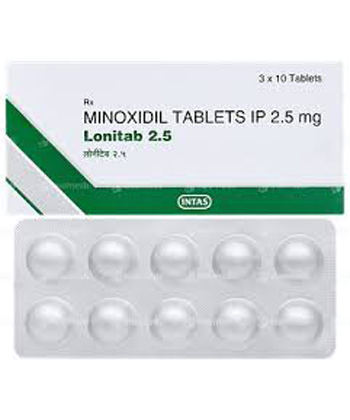
Minoxidil
- In pharmacies and online stores in Australia, minoxidil is generally available without a prescription for topical hair loss products; oral minoxidil is prescription only. It is commonly sold over the counter as branded or generic hair regrowth products.
- Minoxidil is used to treat androgenetic alopecia, also known as pattern hair loss, and it works by helping widen blood vessels in the scalp and prolonging the hair growth phase, which can stimulate hair regrowth.
- The usual dose for hair loss is topical minoxidil 2% or 5%, applied as 1 mL to the scalp twice daily for men, and 2% once or twice daily for women; oral minoxidil is used at much lower doses only under medical supervision.
- The form of administration is a topical solution, foam, lotion, or gel applied to the scalp; in some cases, minoxidil is also available as oral tablets.
- It may start to work after about 2 to 4 months, although early hair shedding can happen at first; the full effect is usually seen after several months of continuous use.
- The duration of action is not permanent, and ongoing use is required to maintain hair regrowth; if treatment is stopped, hair loss usually returns gradually.
- Alcohol should be used with caution, especially with oral minoxidil, because it may increase dizziness or low blood pressure; topical products should also be kept away from flames as they are flammable.
- The most common side effects are scalp irritation, itching, dryness, flaking, and initial hair shedding; less commonly, unwanted body hair growth, dizziness, or a faster heartbeat may occur.
- Would you like to try minoxidil without a prescription?
Latest Research Findings On Minoxidil: Australian And Global Evidence
Basic Minoxidil Information
- INN (International Nonproprietary Name): Minoxidil
- Brand names available in Australia: Regaine; pharmacy-led generics are also common.
- ATC Code: D11AX01
- Forms & dosages: Topical solution/foam 2%, 3%, 5%, 7.5%; oral tablets 2.5mg, 5mg, 10mg.
- Manufacturers in Australia: not specified
- Registration status in Australia: topical minoxidil is used for hair loss; oral minoxidil is Rx-only and approved for severe hypertension.
- OTC / Prescription (Rx) classification: topical forms may be OTC or pharmacy-limited depending on country; oral forms are prescription only.
Recent evidence keeps minoxidil firmly in the first-line conversation for androgenetic alopecia.
That includes Australian practice, where pharmacists still see it as a practical hair regrowth treatment for people who want something familiar, affordable, and easy to start.
Global research from 2022 to 2025 has not displaced it; instead, it has reinforced the same theme, which is that minoxidil works best when used consistently and for long enough to judge response.
The mature market tells its own story too, with 36 NDAs, 62 registered clinical trials, and 88 finished product packagers showing how established this medicine is worldwide.
Topical products are the main hair-loss use, while oral minoxidil is approved for hypertension and used off-label for hair loss in selected patients.
In Australia, that distinction matters because OTC topical minoxidil is accessible for many people, but oral minoxidil sits in a completely different risk and monitoring category.
| Form | Typical strengths | Practical points |
|---|---|---|
| Foam | 2%, 5% | Dries faster, often easier for busy routines and sensitive scalps. |
| Solution | 2%, 3%, 5%, 7.5% | Widely used, but some patients dislike the residue or irritation. |
Data highlight: initial results are usually seen in 2 to 4 months, with the maximum effect around 12 months.
That timeline is why minoxidil 5% and minoxidil 2% are still recommended so often: the evidence base is large, the safety profile is familiar, and the generics keep expanding.
Local irritation, itching, dryness, and flaking remain the main topical complaints, while hypertrichosis is the side effect people notice most with stronger exposure.
Clinical Effectiveness In Australia: What Patients Can Realistically Expect
Is this going to fill the hairline back in, or just slow the loss down?
That is usually the first question in Australian pharmacies, and the honest answer is that expectations need to be realistic.
Minoxidil topical treatment tends to deliver gradual thickening rather than dramatic overnight regrowth, especially when the thinning has been present for years.
In real-world Australian use, access, price, and routine matter almost as much as the product itself.
Men commonly use minoxidil 5%, while women are usually started on minoxidil 2%, with some clinicians considering 5% depending on the case.
Topical foam is often easier to stick with than solution, particularly for people with sensitive scalps or a rushed morning.
That matters because outcomes depend heavily on adherence.
- What improvement looks like: less shedding, modest thickening, and some visible fill-in at the crown or part line.
- When to stay patient: early weeks can be quiet, and some users notice a temporary shed before things settle.
- When to stop expecting miracles: severe long-standing loss, scarring alopecia, or sudden diffuse shedding needs a proper diagnosis first.
Patients often want a fuller look, not perfect restoration, and that is a reasonable goal for a hair loss treatment like this.
Oral minoxidil is not the standard first choice in Australia for hair loss, and any use for this purpose is off-label and specialist-led.
For many people, the main win is simply keeping what they have and getting some density back over time.
Indications And Expanded Uses: Approved, Off-Label, And Clinic-Based Practice
Where does minoxidil actually fit in Australian care?
Its main accepted role is topical treatment for androgenetic alopecia, which is the common pattern hair loss seen in men and women.
Oral minoxidil is primarily a medicine for hypertension, not a standard hair-loss product.
Its ATC code is D11AX01, and the marketed topical forms include 2%, 3%, 5%, and 7.5% strengths internationally.
- Androgenetic alopecia
- Pattern hair loss driven by inherited follicle sensitivity, usually affecting the crown, part line, or temples.
- Off-label
- Use outside the medicine’s official approved indication, even though a clinician may decide it is appropriate in selected patients.
- Topical
- Applied to the scalp rather than taken by mouth.
Dermatology clinics and hair clinics may discuss oral minoxidil with carefully selected patients, but that is not a casual switch from OTC hair regrowth products.
People searching for minoxidil for hair loss sometimes actually need scalp assessment first, because diffuse shedding, inflammatory scalp disease, and nutritional issues can look similar at home.
In Australia, a pharmacist referral or GP review is the sensible starting point when thinning is persistent, patchy, or changing quickly.
That approach helps avoid the common trap of treating the wrong condition for months.
Composition And Brand Landscape: What’s In The Bottle And What Australians Recognise
Most shoppers do not ask for the INN; they ask for a brand they have seen on a shelf or online review.
That is where Regaine and Rogaine dominate recognition, even though minoxidil generic products often perform the same clinically.
Internationally, the brand landscape is broad, with solution and foam presentations, including 60ml bottles and 60g aerosol foams.
In Australia, consumers are most familiar with Regaine, plus generic pharmacy lines that sit alongside it on the shelf.
Private purchasing is common because hair-loss minoxidil is not typically PBS supported.
| Brand | Common form | Typical pack |
|---|---|---|
| Regaine | Solution or foam | Various packs |
| Rogaine | Solution or foam | 60ml bottles |
| Kirkland | Solution | 60ml bottles |
Pack size, foam versus solution, and branding often shape perceived quality more than evidence does.
That is one reason pharmacy retail matters so much, whether the patient shops at Chemist Warehouse, Priceline, TerryWhite Chemmart, or through an online pharmacy.
Many men ask for Regaine for Men, while women often look for the women’s version because the box seems clearer and the instructions feel more relevant.
Contraindications And Special Precautions For Australian Patients
Who should pause before starting, and who needs medical advice first?
That question matters because many people self-start after reading reviews, and the risk screening is different for topical and oral use.
Known hypersensitivity to minoxidil or excipients is an absolute stop.
Topical use should also be avoided in severe scalp dermatoses such as psoriasis or severe eczema.
Oral minoxidil should not be used in pheochromocytoma or severe heart disease.
| Do Not Use | Ask A Doctor First |
|---|---|
| Allergy to minoxidil or excipients | Pregnancy or breastfeeding |
| Severe scalp dermatoses for topical use | Cardiovascular disease |
| Pheochromocytoma or severe heart disease for oral use | Renal or hepatic dysfunction |
| Not recommended for children under 18 for alopecia | Elderly patients and anyone with dizziness, angina, or arrhythmia |
Dizziness, faintness, palpitations, and tachycardia can matter in everyday life, especially for driving or safety-sensitive work if oral minoxidil is involved.
Most topical users tolerate treatment well, but underlying heart disease changes the conversation quickly.
In rural and remote areas, and for some Indigenous patients, follow-up can be harder to organise, so clear counselling and monitoring become even more important.
Dosage Guidelines: How Australians Are Commonly Advised To Use It
How much should be applied, and how often is enough?
For men, topical 5% solution or foam is commonly used at 1ml twice daily.
For women, topical 2% is commonly used, with some cases using 5%, usually one to two times daily.
Oral tablets at 2.5mg, 5mg, or 10mg are for hypertension under medical supervision.
- Apply to a dry scalp, not to the hair shafts.
- Use the measured amount, rather than guessing more is better.
- Allow it to dry before styling or going to bed.
- Wash hands after use.
- If a dose is missed, use the next dose as soon as remembered, but do not double up.
Foam is often preferred by busy Australians because it dries faster and feels less greasy.
That can improve adherence, which matters more than brand choice over the long run.
Minoxidil price is usually a private purchase issue, so patients often compare the box size and the duration of supply before they compare the branding.
For oral therapy, dose changes and monitoring are more cautious in older adults and people with kidney or liver issues.
Interactions Overview: Medicines, Alcohol, Coffee, And Monitoring Concerns
Can you still have a coffee or a drink while using it?
With topical minoxidil, food interactions are not usually the issue.
The bigger concern is oral minoxidil, which can add to blood-pressure lowering and tachycardia when used with other medicines.
Oral overdose can cause severe hypotension and tachycardia, and that needs urgent medical attention.
- Alcohol: can add to dizziness or light-headedness if blood pressure drops.
- Coffee and stimulants: may make palpitations more noticeable in sensitive users.
- Antihypertensives: can increase the blood-pressure lowering effect with oral minoxidil.
- Other hair-loss medicines: finasteride, dutasteride, or spironolactone may be used in different patients, but they should be reviewed together.
- Supplements and “natural” products: can still irritate the scalp or complicate symptom tracking.
Pharmacists remain important because OTC topical products may not always appear clearly in shared records, while prescriptions often do.
That means a quick medication check can catch combinations that are fine for one person but risky for another.
Cultural Perceptions And Patient Habits In Australia
Hair loss is personal, private, and often handled quietly.
Australians tend to weigh price, convenience, and trust in pharmacists before they commit to ongoing treatment.
Minoxidil has stayed popular because it is familiar, available in pharmacies, and backed by a big evidence base.
It is also easier to start than many prescription-only hair-loss options.
That said, plenty of people still fall into the “I’ll try it for a month” pattern, then stop before a fair trial has been made.
That short trial usually underestimates the medicine.
- Affordability: private purchase fits many budgets better than specialist-led care.
- Convenience: no script is often needed for topical use in many settings.
- Trust: the pharmacy counter still carries a lot of weight in Australia.
- Familiar brands: Regaine remains the name many people recognise first.
Urban patients often have easier access to dermatology clinics and same-day pharmacy shopping.
Rural patients more often rely on telehealth, online pharmacies, or local pharmacists for ongoing supply.
In our online pharmacy, minoxidil is available without a prescription, with discreet delivery to Australia in 5-14 days.
Availability And Pricing Patterns: Pharmacies, Online Stores, And Telehealth
Where Australians buy minoxidil shapes what they pay and how easily they stay on treatment.
Common access points include Chemist Warehouse, Priceline, TerryWhite Chemmart, independents, and online pharmacies.
Topical products are usually purchased privately, while oral forms require prescriptions and often arrive through telehealth-linked e-prescriptions.
Common pack sizes such as 60ml bottles and 60g aerosol cans often represent one to three months of supply.
| Access Point | Convenience | Price Sensitivity | Follow-Up |
|---|---|---|---|
| Pharmacy counter | High | Moderate to high | Immediate advice from a pharmacist |
| Online pharmacy | High | High | Easy repeat ordering and discreet delivery |
| Telehealth | Moderate to high | Moderate | Useful for prescription review and repeats |
Australians are price-aware, so promotions and generic substitutions can influence which box goes into the basket.
PBS support is usually not the driver for hair-loss minoxidil, unlike many chronic medicines.
Store the product at room temperature, keep it tightly closed, and remember that topical solutions are flammable.
Comparable Medicines And Patient Preferences: What Minoxidil Is Compared Against
Patients often compare minoxidil with finasteride, dutasteride, spironolactone, or topical anti-androgens such as alfatradiol.
That comparison usually comes down to sex, risk tolerance, and whether a prescription is acceptable.
Minoxidil remains the most widely recommended first-line therapy for androgenetic alopecia, while the alternatives are often selected for different reasons.
| Option | Main advantage | Main drawback |
|---|---|---|
| Topical minoxidil | OTC access and broad familiarity | Can irritate the scalp and needs ongoing use |
| Finasteride | Prescription-led option for men | Not suitable for everyone and needs a script |
| Oral minoxidil | May suit selected specialist cases | Off-label for hair loss and requires monitoring |
People stay with minoxidil because it is familiar, can be started easily, and is widely available as minoxidil topical or minoxidil foam.
They switch away when scalp irritation becomes annoying, adherence slips, or a prescription-led pathway feels more suitable.
For Australian patients, pharmacists often help set the first step before a GP or dermatologist escalates care.
Common Questions From Australian Patients
- How long does minoxidil take to work?
- Initial results usually appear in 2 to 4 months, and the maximum effect is often around 12 months.
- Can women use minoxidil?
- Yes, minoxidil 2% is commonly used in women, and some cases use 5% under guidance.
- Will it keep working if I stop?
- No, ongoing use is needed to maintain hair growth.
- Is oral minoxidil the same as hair-loss minoxidil?
- No, oral minoxidil is mainly a hypertension medicine and hair-loss use is off-label.
Those answers are why pharmacists often repeat the same practical line: be patient, use it consistently, and get reviewed if shedding is sudden or the scalp becomes inflamed.
Proper Use Guidance: Pharmacist-Style Counselling For Safer Outcomes
What makes the difference between a decent result and a frustrating one?
Usually it is the routine.
Minoxidil works best when it is applied correctly, stored properly, and used long enough to judge response.
- Apply minoxidil topical products to a dry scalp only.
- Do not double-dose after a missed application.
- Wash hands after use.
- Store at 15 to 30 degrees Celsius, away from heat, moisture, and light.
- Keep bottles tightly closed, and remember topical solutions are flammable.
- Seek advice if irritation, dizziness, swelling, or palpitations occur.
Pharmacists usually reinforce scalp-only application, consistent timing, and realistic expectations.
That can be enough to keep someone on track through the early months when results are still subtle.
For rural patients, telehealth and online repeats can help maintain supply when regular pharmacy access is difficult.
Oral minoxidil should never be used casually for hair loss without medical oversight, especially in people with heart or kidney issues.
Delivery Across Australia
| City | Region | Delivery time |
|---|---|---|
| Sydney | New South Wales | 5-7 days |
| Melbourne | Victoria | 5-7 days |
| Brisbane | Queensland | 5-7 days |
| Perth | Western Australia | 5-7 days |
| Adelaide | South Australia | 5-7 days |
| Canberra | Australian Capital Territory | 5-7 days |
| Hobart | Tasmania | 5-7 days |
| Darwin | Northern Territory | 5-7 days |
| Gold Coast | Queensland | 5-7 days |
| Newcastle | New South Wales | 5-9 days |
| Wollongong | New South Wales | 5-9 days |
| Geelong | Victoria | 5-9 days |
| Townsville | Queensland | 5-9 days |
| Launceston | Tasmania | 5-9 days |