
Telmisartan
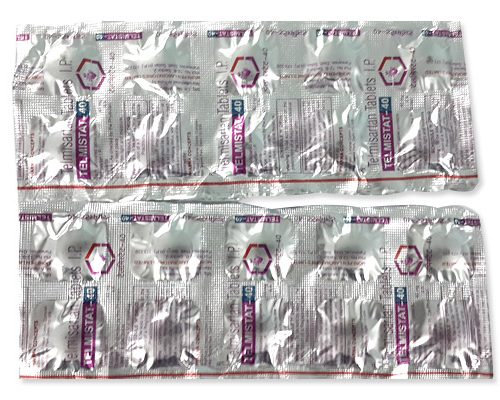
Telmisartan
- In our pharmacy, telmisartan can be purchased without a prescription, with discreet delivery across Australia. It is also available as prescription-only medicine in many countries, depending on local regulations.
- Telmisartan is used to treat high blood pressure (hypertension) and to reduce cardiovascular risk in suitable patients. It belongs to the angiotensin II receptor blocker (ARB) class and works by blocking angiotensin II receptors, which helps relax blood vessels and lower blood pressure.
- The usual dose of telmisartan is 40 mg once daily for hypertension, with a maintenance range of 40–80 mg once daily. Some patients may use 80 mg once daily for cardiovascular risk reduction, and combination products may be used when hydrochlorothiazide is needed.
- The form of administration is an oral tablet, including standard tablets and fixed-dose combination tablets.
- The effect of telmisartan begins gradually, usually within about 1–2 hours after a dose, with the blood-pressure-lowering effect becoming more noticeable over the first few weeks of regular use.
- The duration of action is about 24 hours, which is why telmisartan is typically taken once daily.
- Alcohol may increase the risk of dizziness or low blood pressure, so it is best to limit alcohol while taking telmisartan.
- The most common side effects are dizziness, low blood pressure, fatigue, back pain, diarrhoea, and increased creatinine or blood urea levels.
- Would you like to try telmisartan without a prescription?

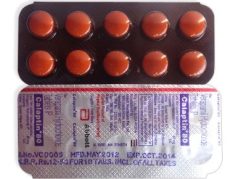


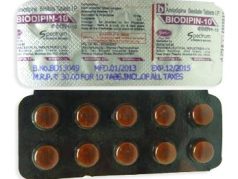
Telmisartan At A Glance
- INN (International Nonproprietary Name): Telmisartan
- Brand names available in Australia: Micardis, Actelsar Hct, Telmisartan Actavis
- ATC code: C09CA07
- Forms & dosages: Tablets 20 mg, 40 mg, 80 mg; combination tablets with HCT 40/12.5 mg, 80/12.5 mg, 80/25 mg
- Manufacturers in Australia: Boehringer Ingelheim and multiple generic suppliers
- Registration status in Australia: Prescription only (Rx)
- OTC / Rx classification: Prescription only (Rx)
Latest Research Highlights: What The Evidence Says About Telmisartan
Could a once-daily blood pressure tablet make long-term treatment easier to stick with?
For many Australians, that is exactly where telmisartan fits in.
It is a well-established angiotensin II receptor blocker, or ARB, with a long half-life and simple once-daily dosing, which supports adherence in real-world use.
Recent evidence from 2022 to 2025 continues to support its role in blood pressure control, cardiovascular risk reduction, and renal protection in appropriate patients.
Australian practice also remains aligned with TGA safety monitoring, and PBS-supported access helps many patients stay on treatment without repeated cost barriers.
Telmisartan is classified as C09CA07, is prescription only, and is commonly supplied in 20 mg, 40 mg, and 80 mg strengths, with fixed-dose combination options such as 80/12.5 mg and 80/25 mg when hydrochlorothiazide is needed.
That matters for people juggling work, school drop-offs, travel, and variable pharmacy access, because fewer daily doses often means fewer missed doses.
| Study Area | Key Finding | Practical Meaning |
|---|---|---|
| Blood pressure control | Ongoing evidence supports effective once-daily lowering of blood pressure. | Useful for routine hypertension management in adults. |
| Cardiovascular risk reduction | Continues to be used where risk reduction is an indication. | Helps in broader chronic disease management. |
| Renal outcomes | Used as adjunct therapy in diabetic nephropathy. | May suit patients needing kidney-focused blood pressure treatment. |
| Tolerability | Generally well tolerated, with dizziness and low blood pressure among the main early issues. | Supports longer-term use when monitored properly. |
Data highlight: Once-daily telmisartan supports adherence, food does not significantly affect absorption, and the main safety signals to watch are dizziness, hypotension, creatinine changes, and hyperkalaemia in higher-risk patients.
In practice, the combination of steady blood pressure control and simple dosing is why telmisartan remains a familiar choice in Australian hypertension medication use.
Clinical Effectiveness In Australia: PBS Use, Adherence, And Outcomes
Why do so many patients stay with telmisartan once it has been started?
The short answer is convenience, continuity, and predictable blood pressure control.
In routine Australian care, telmisartan is commonly prescribed for essential hypertension and for patients who also need cardiovascular risk reduction.
The usual adult starting dose is 40 mg once daily, with maintenance commonly 40 mg to 80 mg once daily.
For cardiovascular risk reduction, 80 mg once daily is the standard dose used in practice.
There is no fixed treatment duration, because long-term use is standard when the medicine remains effective and well tolerated.
PBS subsidy can make a meaningful difference for price-sensitive patients, especially when they need ongoing treatment month after month.
Community pharmacists are central here, because they reinforce adherence, spot side effects, and flag when a dose change or blood test review may be needed.
| Real-World Feature | Why It Helps | Australian Practice Note |
|---|---|---|
| Once-daily dosing | Easier to remember than medicines taken several times a day. | Fits busy workdays, family routines, and shift work. |
| Food flexibility | Can be taken with or without meals. | Handy when meal times vary. |
| Lower BP variability | Steady coverage across the day. | Useful for ongoing hypertension treatment. |
| Repeat access | Simple to continue therapy once a script is set up. | Telehealth-linked e-prescriptions help urban patients, while rural patients often rely on mail-order or online pharmacies. |
Data highlight: Fewer daily doses usually improves adherence, and that practical advantage can matter more than small differences patients read about online.
For many households, a once-daily hypertension medicine is easier to keep aligned with chronic disease reviews, repeat prescriptions, and pharmacy pick-ups.
In our online pharmacy, telmisartan is available without a prescription, with discreet delivery to Australia in 5-14 days.
Indications And Expanded Uses: What Telmisartan Is Approved For
What is telmisartan actually used for, and what should not be overstated?
Its established uses are hypertension, cardiovascular risk reduction, and diabetic nephropathy adjunct treatment.
The most evidence-based dose range is 40 mg to 80 mg daily, with efficacy best established in that range.
Australian prescribers tend to stay conservative with off-label use, especially when a patient has comorbidities, renal concerns, or a complex medicines list.
Food does not significantly affect absorption, which helps patients keep the medicine attached to a simple routine rather than a strict meal schedule.
- Hypertension
- Used to lower blood pressure in adults with essential hypertension.
- Cardiovascular risk reduction
- Used in patients where lowering overall cardiovascular risk is the treatment goal.
- Diabetic nephropathy adjunct therapy
- Used alongside broader kidney and blood pressure management in appropriate patients.
- Fixed-dose combination therapy
- Used with hydrochlorothiazide when a single medicine does not provide enough blood pressure control.
For patients who developed a cough with an ACE inhibitor, a GP may choose an ARB such as telmisartan because it is a different class and is often better tolerated in that respect.
That decision still depends on the person, their kidney function, their potassium level, and their previous response to treatment.
Composition And Brand Landscape In Australia And Overseas
Could the same medicine be sold under several different names?
Yes, and telmisartan is a good example.
The active ingredient stays the same, but the brand name and packaging can change by country, wholesaler, and supplier.
Micardis is the dominant international brand, and it is commonly supplied in foil blisters for 28 or 30 tablets per carton.
Australian patients may also see generic telmisartan through PBS listings, major chains, or online pharmacies, with supply varying by state and wholesaler.
| Brand | Region | Packaging Details |
|---|---|---|
| Micardis | Global, EU, US, Asia | 20 mg, 40 mg, 80 mg tablets in blister strips or bottles |
| Pritor | EU, Eastern Europe | 20 mg, 40 mg, 80 mg tablets in standard blister packs |
| Actelsar Hct | Select EU, Australia | Combination tablets with HCT in 80/12.5 mg and 80/25 mg strengths |
| Telmisartan Actavis | EU | 20 mg, 40 mg, 80 mg tablets in blisters |
| Twynsta | Japan, EU, US | Combination tablets with amlodipine in mixed strengths |
Manufacturing is spread across several regions, including Boehringer Ingelheim globally, plus multiple generic manufacturers in India, Europe, and elsewhere.
That is why packaging may look different when someone is travelling or ordering medicine from a different jurisdiction, even though the active ingredient remains telmisartan.
Contraindications And Special Precautions For Higher-Risk Australians
Who should not take telmisartan, and who needs a closer eye on monitoring?
There are a few clear no-go situations, and a few that require caution rather than automatic avoidance.
Absolute contraindications include hypersensitivity to telmisartan or excipients, second and third trimester pregnancy, use with aliskiren in diabetic patients, severe hepatic impairment, cholestasis, biliary obstructive disorders, and hereditary fructose intolerance with certain sorbitol-containing formulations.
People with volume depletion, renal artery stenosis, moderate hepatic impairment, older age with multiple comorbidities, or concurrent RAAS blockers need closer monitoring.
Renal function and potassium should be checked, especially in older Australians and people with chronic kidney disease.
- Pregnancy planning
- Have a direct, non-judgemental conversation with a GP or pharmacist before conceiving or as soon as pregnancy is suspected.
- Kidney disease
- Monitoring is important because creatinine and potassium changes can occur.
- Driving and work safety
- Dizziness or hypotension may affect driving, machinery use, and physically demanding work, especially after starting treatment or changing the dose.
- Indigenous health
- Culturally safe communication, practical follow-up, and clear monitoring plans matter in communities carrying a higher cardiovascular risk burden.
If fainting, severe swelling, or a sudden marked drop in blood pressure occurs, urgent assessment is needed.
That safety-first approach is especially important when multiple medicines are being used together.
Dosage Guidelines: Australian-Style Prescribing And Common Adjustments
What dose should a patient expect to start on?
In adults with hypertension, telmisartan usually starts at 40 mg once daily.
Maintenance is commonly 40 mg to 80 mg once daily, while cardiovascular risk reduction uses 80 mg once daily.
For diabetic nephropathy adjunct treatment, 40 mg to 80 mg once daily is the usual range.
Telmisartan can be taken with or without food, and that flexibility helps with everyday routines.
| Indication | Starting Dose | Usual Range | Key Monitoring |
|---|---|---|---|
| Hypertension | 40 mg once daily | 40 mg to 80 mg once daily | Blood pressure, dizziness, renal function |
| Cardiovascular risk reduction | 80 mg once daily | As prescribed | Blood pressure and tolerability |
| Diabetic nephropathy adjunct | 40 mg to 80 mg once daily | 40 mg to 80 mg once daily | Renal function and potassium |
Children are not approved for use.
Older adults do not usually need an automatic dose change, but kidney monitoring matters more when other illnesses are present.
In mild to moderate liver impairment, a lower starting dose may be considered if available.
Severe renal impairment needs extra caution and close review by the prescriber.
Australian GPs often adjust treatment using PBS criteria, chronic disease reviews, and telehealth follow-ups, and combination tablets with HCT may be used when a single agent is not enough.
Practical tip: Take the tablet at the same time every day, and avoid changing the dose without pharmacist or GP advice.
Interactions Overview: Food, Alcohol, Medicines, And Monitoring Alerts
What should patients look out for when telmisartan is taken with other medicines or everyday habits?
Food is not a problem, because it does not significantly affect absorption.
That makes telmisartan easier to fit around irregular meal times, shift work, or travel.
The bigger issues are other medicines that raise potassium, strain the kidneys, or reduce blood pressure control.
| Interaction Type | Risk | Advice |
|---|---|---|
| Other RAAS blockers | Higher hyperkalaemia and kidney risk | Usually avoid unless specifically directed. |
| NSAIDs | May reduce antihypertensive effect and affect renal function | Ask a pharmacist before using them regularly. |
| Aliskiren in diabetic patients | Contraindicated | Should not be used together. |
| Potassium supplements or salt substitutes | Potassium can rise too high | Use only with medical advice. |
| Alcohol | May worsen dizziness or low blood pressure | Be careful, especially after starting treatment or after dose changes. |
Pharmacists often catch these issues through dispensing systems and e-health checks before they become a problem.
That is especially useful for older adults and people taking medicines for diabetes, heart disease, or kidney disease.
Cultural Perceptions And Patient Habits In Australia
How do Australians usually approach telmisartan and similar blood pressure medicines?
Most people want a medicine that is affordable, simple, and easy to keep going.
Many compare PBS prices first, ask about generic substitution, and prefer once-daily tablets that fit around work and family life.
Telehealth repeats have made access easier in cities, while rural and remote patients often plan longer ahead and rely on mail delivery or online pharmacies.
Trust is often built through plain-language counselling from pharmacists and GPs rather than brand loyalty alone.
- checking PBS price first
- asking for generic substitution
- preferring once-daily medicines
- using telehealth for repeats
- relying on pharmacist counselling
For many Aboriginal and Torres Strait Islander patients, family-inclusive discussion and culturally safe follow-up can make blood pressure treatment more workable.
That kind of communication helps patients understand expected benefits, common side effects, and what to do if a dose is missed.
Availability And Pricing Patterns: Where Australians Get Telmisartan
Where do most Australians obtain telmisartan, and why does the price vary?
It is prescription only, and the final out-of-pocket cost depends on whether the script is PBS subsidised, concession-based, or private.
Common strengths are 20 mg, 40 mg, and 80 mg, with combination packs such as 80/12.5 mg and 80/25 mg also available when dual therapy is needed.
Packaging may be a blister strip or bottle depending on the supplier.
Large chains, local independents, telehealth services, and online pharmacies all play a role in access.
| Purchase Channel | Likely Price Pattern | Access Notes |
|---|---|---|
| PBS pharmacy | Usually the most affordable when subsidy applies | Common choice for ongoing hypertension treatment |
| Major chains | Can vary by brand and dispensing rules | Chemist Warehouse, Priceline, and TerryWhite Chemmart often stock generic or branded options |
| Online pharmacy | Convenient for price comparison and repeat ordering | Useful when local stock is limited |
| Telehealth repeat service | Supports continuity of care | Helpful for urban patients and for people managing multiple chronic medicines |
Data highlight: Telmisartan is generally affordable relative to some branded cardiovascular medicines, but actual cost still depends on brand, concession status, and whether the script is PBS or private.
That is why patients often ask their pharmacist whether a generic can be substituted before they pay.
Comparable Medicines And Patient Preferences: Telmisartan Versus Other Arbs
How does telmisartan compare with other ARBs used in Australia?
The main alternatives are losartan, valsartan, irbesartan, and olmesartan.
Telmisartan stands out for its long-acting, once-daily profile, but that does not make it universally better than every other ARB.
Choice often comes down to previous response, PBS status, availability, kidney function, potassium concerns, and prescriber preference.
- Pros: once-daily dosing, food flexibility, combination options, well-established evidence
- Cons: dizziness, kidney function changes, and hyperkalaemia can still occur
- Best for: patients wanting a simple regimen and consistent blood pressure control
Some patients stay on the ARB first prescribed by their GP, while others switch after a pharmacist review or because of stock issues.
Combination tablets can also improve adherence when a second antihypertensive is needed.
The practical aim is not to chase the newest option, but to find the medicine that the patient can take safely and consistently.
Faqs For Australian Patients
- Can I take telmisartan with food?
- Yes, it can be taken with or without food.
- What should I do if I miss a dose?
- Take it when remembered unless the next dose is close. Do not double up.
- Does telmisartan make you dizzy?
- Dizziness and low blood pressure are common early side effects, especially when starting treatment.
- Is telmisartan available on PBS in Australia?
- It is commonly accessed through Australian pharmacies, and PBS support may apply depending on the script and patient eligibility.
Any dose change, pregnancy, kidney disease, or multiple-medicine situation should be discussed with a GP or pharmacist first.
Guidelines For Proper Use: Pharmacist-Style Counselling For Safer Outcomes
What helps telmisartan work safely day to day?
Good counselling and simple habits make a real difference.
Telmisartan should be stored below 25°C, kept dry, and left in the original packaging to protect it from moisture.
It is prescription only and is generally used long term unless the prescriber changes therapy.
Overdose mainly causes hypotension, so symptomatic and supportive care may be needed in serious cases.
- Take it at the same time each day.
- Do not double a missed dose.
- Stand up slowly if you feel dizzy.
- Monitor blood pressure and kidney function as advised.
- Seek urgent help for pregnancy, severe fainting, or swelling.
- Check before using NSAIDs or potassium products.
GPs, pharmacists, and telehealth services often work together for repeat scripts, chronic disease reviews, and medicines optimisation.
That teamwork is especially important in rural areas and while travelling, when repeat access can be harder to organise.
Patient-centred counselling improves adherence and safety more than brand familiarity alone, and that is usually what keeps blood pressure treatment on track.
Delivery Across Australia
| City | Region | Delivery time |
|---|---|---|
| Sydney | New South Wales | 5-7 days |
| Melbourne | Victoria | 5-7 days |
| Brisbane | Queensland | 5-7 days |
| Perth | Western Australia | 5-7 days |
| Adelaide | South Australia | 5-7 days |
| Canberra | Australian Capital Territory | 5-7 days |
| Hobart | Tasmania | 5-7 days |
| Darwin | Northern Territory | 5-7 days |
| Gold Coast | Queensland | 5-9 days |
| Newcastle | New South Wales | 5-9 days |
| Wollongong | New South Wales | 5-9 days |
| Geelong | Victoria | 5-9 days |
| Townsville | Queensland | 5-9 days |
| Sunshine Coast | Queensland | 5-9 days |