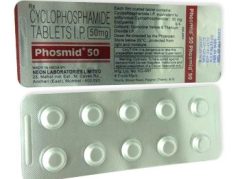
Cancer treatment in Australia has advanced significantly, offering patients multiple therapeutic pathways tailored to their specific condition. The primary treatment approaches include chemotherapy, hormone therapy, targeted therapy, and immunotherapy. Each treatment type works differently, targeting cancer cells through various mechanisms. Chemotherapy remains one of the most commonly prescribed treatments, working by killing rapidly dividing cells throughout the body. Hormone therapy is particularly effective for hormone-sensitive cancers like breast and prostate cancer. Targeted therapies focus on specific molecular characteristics of cancer cells, whilst immunotherapy harnesses the body's natural defence system to fight cancer.
Australian oncologists work closely with patients to determine the most suitable treatment plan based on cancer type, stage, and individual health factors. Many patients receive combination therapy, where multiple treatment types work together for improved outcomes. The choice of treatment depends on factors such as cancer location, whether it has spread, and the patient's overall health status.
Chemotherapy remains a cornerstone of cancer treatment across Australia. Several chemotherapy drugs are readily available through Australian pharmacies and hospitals. Common chemotherapy agents include:
These medications are administered through various routes including intravenous infusion, oral tablets, or injections, depending on the specific drug and treatment protocol. The Australian Therapeutic Goods Administration (TGA) ensures all chemotherapy medications meet strict safety and efficacy standards before becoming available to patients. Oncology pharmacists in Australia provide specialised support, helping manage potential side effects and ensuring optimal treatment outcomes.
Hormone therapy represents a significant advancement in treating hormone-dependent cancers, particularly breast and prostate cancer. Tamoxifen remains one of Australia's most prescribed hormone therapies for breast cancer, effectively blocking oestrogen receptors on cancer cells. Aromatase inhibitors such as Anastrozole, Letrozole, and Exemestane are also widely available, particularly for postmenopausal women with breast cancer.
For prostate cancer, hormone therapies including Bicalutamide and Goserelin are commonly prescribed to reduce testosterone levels. Fulvestrant represents another option for advanced breast cancer treatment. Targeted therapies have revolutionised cancer care in Australia, with medications like Trastuzumab (Herceptin) for HER2-positive breast cancers showing remarkable efficacy. Bevacizumab targets blood vessel formation that feeds tumours, proving beneficial in various cancer types.
Tyrosine kinase inhibitors such as Imatinib have transformed treatment outcomes for chronic myeloid leukaemia and gastrointestinal stromal tumours. Gefitinib and Erlotinib target specific mutations in lung cancer. These medications work by interfering with specific molecular pathways that cancer cells depend on for growth and survival. The precision of targeted therapies often results in fewer side effects compared to traditional chemotherapy, significantly improving patients' quality of life during treatment.
Immunotherapy represents the newest frontier in cancer treatment, available through Australian healthcare systems. Checkpoint inhibitors including Pembrolizumab and Nivolumab are increasingly prescribed across various cancer types. These drugs work by removing the brakes that cancer cells place on the immune system, allowing the body's natural defences to attack malignant cells effectively.
Atezolizumab and Durvalumab represent additional immunotherapy options available in Australia. These medications have shown particular promise in treating melanoma, non-small cell lung cancer, and bladder cancer. Combination immunotherapy approaches, where two checkpoint inhibitors work together, have demonstrated enhanced effectiveness for certain cancer types. CAR-T cell therapies, though more recent and specialised, are now available through select Australian cancer centres for blood-based malignancies.
Immunotherapy can be used alone or combined with chemotherapy and radiotherapy for optimal results. The advantage of immunotherapy lies in its ability to provide long-lasting responses, with some patients experiencing durable remissions years after treatment completion. However, immunotherapy may cause immune-related adverse events requiring careful monitoring and management by experienced oncology teams throughout Australia.
Cancer medications, whilst effective, can produce side effects requiring careful management. Chemotherapy commonly causes nausea and vomiting, effectively controlled with modern antiemetic medications like Ondansetron and Granisetron available throughout Australia. Hair loss, though distressing, is temporary and reversible after treatment completion. Fatigue remains one of the most common side effects, managed through exercise, nutrition, and sometimes medication support.
Targeted therapies and immunotherapies often produce different side effect profiles compared to traditional chemotherapy. Immunotherapy may cause inflammatory reactions requiring anti-inflammatory medications. Dermatological reactions, gastrointestinal disturbances, and fatigue frequently occur with various treatments. Australian cancer centres provide supportive care programmes including nutritional support, psychological counselling, and specialist nursing to help patients navigate treatment side effects.
Bone health becomes particularly important during cancer treatment, with medications like bisphosphonates prescribed to prevent bone loss in certain scenarios. Pain management remains crucial, with Australian pharmacies stocking various analgesics from paracetamol to opioid medications tailored to individual pain levels. Preventative medications reduce infection risk, particularly important during chemotherapy when immune systems are compromised.
The Pharmaceutical Benefits Scheme (PBS) ensures many cancer medications remain affordable and accessible to Australian residents. PBS listing requirements ensure medications meet rigorous efficacy and safety standards before becoming subsidised. Cancer patients may access medications through various pathways including hospital-based oncology clinics, private oncology practices, and community pharmacies working with specialist teams.
Medicare rebates assist eligible patients in managing treatment costs. Some newer immunotherapies and targeted therapies may require patient assistance programmes or special authorisation processes through the PBS. Private health insurance often covers additional treatments not included on the PBS. The Australian Cancer Council provides comprehensive information helping patients understand available treatments and financial assistance options.
Compounding pharmacies in Australia prepare specialised cancer medications, particularly chemotherapy agents requiring specific dosing and formulations. Pharmacists providing chemotherapy support specialise in counselling patients about medication administration, potential interactions, and side effect management. Telehealth services increasingly connect rural and remote Australian patients with specialist oncology care, improving access to treatment guidance. Clinical trials offer additional options for patients meeting specific criteria, providing access to emerging cancer treatments.