
Namenda
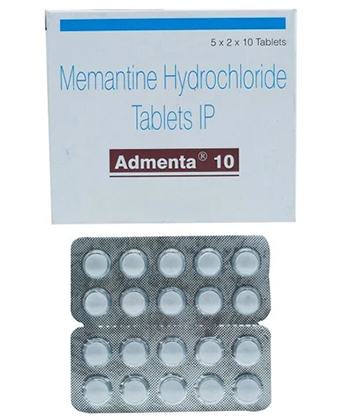
Namenda
- In our pharmacy you can buy namenda without a prescription, with delivery across Australia; note that in many countries Namenda (memantine) is prescription‑only and local regulations may differ.
- Namenda (memantine) is used to treat moderate to severe Alzheimer’s disease; it works as an N‑methyl‑D‑aspartate (NMDA) receptor antagonist to modulate glutamatergic neurotransmission and reduce excitotoxicity.
- The usual dose for adults is to start at 5 mg once daily and increase by 5 mg weekly to a maintenance of 10 mg twice daily (20 mg/day); Namenda XR is started at 7 mg once daily and titrated weekly to a maximum of 28 mg once daily; dose down in severe renal impairment (eg max 5 mg twice daily for CrCl 5–29 mL/min).
- Available oral forms and routes: immediate‑release tablets (5 mg, 10 mg), oral solution (10 mg/mL) and extended‑release oral capsules (XR 7/14/21/28 mg); administered by mouth.
- Onset: symptomatic effects may begin within 1–4 weeks, though noticeable clinical benefit often takes several weeks (commonly 4–12 weeks).
- Duration of action: taken as directed memantine provides around 24‑hour coverage (XR once daily or IR twice daily); elimination half‑life is long (about 60–80 hours in adults), so steady effects persist with daily dosing.
- Alcohol warning: avoid or limit alcohol while taking namenda as alcohol can increase dizziness, sedation and cognitive impairment and worsen side effects.
- The most common side effect is dizziness; other frequent reactions include headache, constipation, confusion, fatigue and hypertension.
- Would you like to try namenda without a prescription?

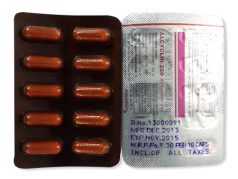
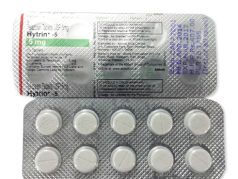

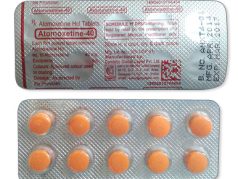
Basic Namenda Information
- INN (International Nonproprietary Name): Memantine
- Brand Names Available In Australia: Ebixa, GenRx Memantine
- ATC Code: N06DX01
- Forms & Dosages: Tablets 5 mg and 10 mg (common 10 mg); oral solution 10 mg/mL; oral XR capsules internationally 7/14/21/28 mg
- Manufacturers In Australia: Lundbeck; GenRx (local generic marketing)
- Registration Status In Australia: Registered prescription product (available through Australian suppliers)
- OTC / Rx Classification: Prescription only (S4)
Latest Research Highlights
Family carers usually ask: will this change the course of disease?
International meta-analyses and aggregated randomised controlled trial data from 2022–2025 show memantine provides modest symptomatic benefit in moderate–severe Alzheimer’s disease.
Effect sizes are generally small to moderate on cognitive and global function scales such as MMSE and ADAS‑Cog.
Combined use with cholinesterase inhibitors has shown additional benefit for some behavioural symptoms, particularly agitation, in pooled analyses.
Australian observational reports and registry data to 2024–25 mirror safety observations overseas, with most adverse events being mild — commonly dizziness, constipation and headache.
Emerging real‑world work has focused on adherence in older adults, renal dosing impact on outcomes and effectiveness in aged‑care settings.
Biomarker‑stratified and combination‑optimisation trials are ongoing, but results so far are inconclusive for disease modification.
Clinical practice reviews continue to recommend memantine as an evidence‑based option for symptomatic management of moderate–severe Alzheimer’s disease, often used alongside acetylcholinesterase inhibitors.
The table below summarises key trial outcomes and typical safety observations reported internationally and in Australian registries.
| Study Type | Main Outcome | Common Safety Signals |
|---|---|---|
| International Meta‑Analyses (2022–2025) | Small‑to‑moderate improvement in cognition/global function in moderate–severe AD | Dizziness, headache, constipation |
| Pooled RCT Data | Some reduction in agitation when combined with AChE inhibitors | Generally mild adverse events; rare severe hypersensitivity |
| Australian Observational / Registry Reports | Real‑world effectiveness modest; adherence affects outcomes | Mild AEs consistent with trials; renal dosing important |
Clinical Effectiveness In Australia
People often want plain language results they can plan around.
TGA‑registered memantine presentations in Australia include Ebixa and GenRx memantine tablets, commonly supplied as 10 mg tablets.
Clinicians in Australia report effect sizes similar to international trials: modest improvements in cognition and daily function for people with moderate–severe Alzheimer’s disease.
Australian hospital and PBS clinicians tend to evaluate use case‑by‑case with emphasis on quality of life and delayed escalation of care rather than cure.
TGA adverse‑event reporting shows frequencies aligned with global data — dizziness, headache, constipation and occasional confusion are most reported.
Real‑world effectiveness is often limited by adherence challenges, polypharmacy and unrecognised renal impairment, especially in aged‑care residents and some remote communities.
The short definitions below explain the commonly used outcome measures clinicians cite.
- MMSE: Mini‑Mental State Examination, a brief cognitive screening tool.
- ADAS‑Cog: Alzheimer’s Disease Assessment Scale‑Cognitive, a detailed cognitive measure used in trials.
- ADCS‑ADL: Alzheimer’s Disease Cooperative Study – Activities Of Daily Living, assessing practical daily function.
| Trial Effect Size | Typical Real‑World Outcome |
|---|---|
| Small‑to‑moderate improvement (RCTs) | Modest stabilisation of cognition; reduced agitation when combined therapy used |
| Improved global scores | Delayed need for higher‑level care in some patients |
Indications And Expanded Uses
What is it licensed for, and when do clinicians use it off‑label?
- TGA‑Approved: Symptomatic treatment of moderate to severe Alzheimer’s disease (memantine, ATC N06DX01).
- Common Off‑Label Uses: Selective use for behavioural symptoms, mixed dementia cases, or when patients cannot tolerate cholinesterase inhibitors; evidence for off‑label uses is limited and clinicians should document rationale.
| Formulation | Legal Status |
|---|---|
| Immediate‑release tablets (5 mg, 10 mg) | Registered; prescription only |
| Oral solution (10 mg/mL) | Available internationally; less common in Australia |
| Extended‑release capsules (Namenda XR) | Marketed in US/Canada; not common in Australia |
Memantine is not approved for paediatric use.
Composition And Brand Landscape In Australia
People ask which brand to expect and what the tablets contain.
The active ingredient is memantine hydrochloride (INN memantine).
Australian brands listed in product data include Ebixa and GenRx Memantine, both commonly supplied as 10 mg tablets.
Tablets are usually packed in blister packs of 28–98 units in practice, while oral solutions and XR capsules are more common in other markets.
| Brand | Common Strength | Typical Pack Size |
|---|---|---|
| Ebixa | 10 mg | 28, 30, 56, 98 tablets (blister) |
| GenRx Memantine | 10 mg | 28, 30, 56 tablets (blister) |
Global suppliers include Lundbeck, Merz and generic manufacturers such as Teva and Sandoz, with local marketing often through Lundbeck or domestic generics.
Contraindications And Special Precautions
Family carers need to know who should not take memantine and when to be careful.
Absolute contraindication is known allergy to memantine or any excipient.
Use caution in severe renal impairment; dosing adjustments are required when creatinine clearance is 5–29 mL/min.
Conditions that alkalinise urine can reduce memantine elimination and increase risk of accumulation.
A history of seizures, significant hepatic impairment and cardiovascular instability are relative cautions that warrant closer monitoring.
Pregnancy and lactation data are limited so memantine should be avoided unless benefits clearly outweigh risks and a specialist is consulted.
For Indigenous and remote communities, higher rates of renal disease and comorbidity mean clinicians should monitor renal function closely and use culturally safe shared decision‑making.
- High‑Risk Checklist: Known allergy; severe renal impairment; history of seizures; drugs/conditions that raise urine pH.
- Daily Counselling Tip: Advise caution with driving or machinery until tolerance is established because of dizziness and confusion risk.
Dosage Guidelines And Practical Titration
Carers often ask how to start and go slow to reduce side effects.
Typical adult regimen in Australia for immediate‑release tablets starts at 5 mg once daily.
Increase by 5 mg weekly to a maintenance dose of 10 mg twice daily, giving a total of 20 mg per day.
Namenda XR titration overseas begins at 7 mg once daily, increased weekly by 7 mg to a maximum of 28 mg once daily.
For severe renal impairment (CrCl 5–29 mL/min) the recommended maximum is 5 mg twice daily and monitoring is required.
Elderly patients usually tolerate standard doses but routine renal checks are recommended and falls risk must be considered.
| Regimen | Titration Schedule | Renal Adjustment |
|---|---|---|
| Immediate‑Release Tablets | 5 mg once daily, increase 5 mg weekly to 10 mg twice daily | Severe impairment: max 5 mg twice daily |
| Extended‑Release Capsules (International) | Start 7 mg once daily, increase by 7 mg weekly to 28 mg once daily | Use alternatives or adjust per renal guidance |
Aged‑care practical points include documenting titration on medication administration charts and checking for polypharmacy interactions.
Interactions Overview
People worry about mixing with other tablets they already take.
Memantine is primarily cleared by the kidneys and drugs or conditions that alkalinise urine — for example bicarbonate or some carbonic anhydrase inhibitors — can reduce elimination and raise plasma levels.
Concurrent NMDA antagonists such as amantadine, ketamine or high‑dose dextromethorphan may increase central nervous system adverse effects.
Anticholinergic polypharmacy is common in older Australians and can worsen confusion and constipation when combined with memantine.
Alcohol can increase dizziness and falls risk and should be limited while starting therapy.
| Drug / Substance | Practical Action |
|---|---|
| Bicarbonate, carbonic anhydrase inhibitors | Monitor renal function and consider dose reduction; avoid chronic alkalinisation |
| Amantadine, ketamine, high‑dose dextromethorphan | Avoid or monitor for increased CNS adverse effects |
| Anticholinergic agents | Review for additive confusion/constipation; deprescribe where possible |
Cultural Perceptions And Patient Habits In Australia
Carers commonly want to know what other Australians feel about this treatment.
Consumers in Australia are typically price‑aware and commonly seek pharmacist advice before filling dementia medicines.
Community pharmacists at major chains and independents are trusted sources for information and practical counselling.
Online forums and carer groups emphasise expectations for symptom stabilisation rather than cure, and worry about side effects and pill burden.
Remote and regional Australians face access barriers: fewer specialists, longer waits for geriatric review and reliance on telehealth for prescriptions.
For Indigenous patients, culturally tailored counselling, family‑centred decision‑making and awareness of comorbidity profiles are essential to safe prescribing.
- Telehealth Note: Telehealth has improved prescription access but continuity of physical monitoring can be weaker in some regions.
- Counselling Checklist: Use plain language, involve family/carers, and arrange local renal monitoring if required.
Availability And Pricing Patterns
Most patients ask where to buy and how much it will cost out of pocket.
Ebixa and GenRx memantine tablets are commonly stocked by major pharmacy chains and independent pharmacies across Australia.
Oral solution and XR products are less common in the Australian market.
PBS listings and subsidy status change over time so pharmacists should confirm current PBS Schedule status to advise on out‑of‑pocket costs.
Price‑sensitive Australians compare discount retailers, loyalty programs and independent pharmacies for best out‑of‑pocket price.
In our online pharmacy, namenda is available without a prescription, with discreet delivery to Australia in 5–14 days.
| Chemist | Typical Availability | Likely Price Band | PBS‑Subsidised |
|---|---|---|---|
| Major Chain Pharmacies | Usually in stock (10 mg tablets) | Moderate | Check current PBS Schedule |
| Independent Pharmacies | Usually available; may order packs | Variable | Check current PBS Schedule |
| Online Pharmacies | Private prescription supply possible; verify legitimacy | Often competitive | Private supply unless PBS listed |
Rural supply issues can lead to longer delivery times and higher courier costs; some clinics arrange mail‑order pharmacy services linked to telehealth to improve continuity.
Comparable Medicines And Prescriber Preferences
Families often ask why one medicine is chosen over another.
Acetylcholinesterase inhibitors — donepezil, rivastigmine and galantamine — are first‑line for mild to moderate Alzheimer’s disease.
Memantine is commonly chosen for moderate–severe disease or when cholinesterase inhibitors are poorly tolerated.
Combination therapy (memantine plus an AChE inhibitor) is frequently used in practice and can provide additive symptomatic benefit.
Fixed‑dose combination products such as memantine/donepezil exist internationally (for example Namzaric) but are not commonly used in Australia.
- Pros Of Memantine: Generally well tolerated, useful in later stages, fewer cholinergic side effects.
- Cons Of Memantine: Renal dosing needed, benefits are symptomatic not disease‑modifying.
Prescribers balance disease stage, comorbidity, polypharmacy and PBS considerations when selecting therapy.
FAQ
Will memantine stop my loved one’s dementia?
No. Memantine is a symptomatic treatment that can modestly improve cognition and function in moderate–severe Alzheimer’s disease but it is not disease‑modifying.
Is memantine on the PBS?
PBS listings change, so check the current PBS Schedule or discuss subsidy options with a pharmacist; private prescriptions are widely available through community and online pharmacies.
What if a dose is missed?
Take the missed dose as soon as remembered unless it is near the next scheduled dose; do not double up doses.
Are there special monitoring needs?
Yes. Monitor renal function, cognitive status, falls risk and bowel function; report new confusion, severe dizziness or hypersensitivity to a clinician promptly.
Guidelines For Proper Use And Pharmacy Counselling
Carers appreciate a concise checklist they can follow at home.
Confirm diagnosis and stage (moderate–severe Alzheimer’s) before starting memantine.
Review renal function and current medications for interactions and polypharmacy risks.
Explain the titration schedule: start 5 mg once daily and uptitrate to 10 mg twice daily as tolerated for immediate‑release tablets.
Discuss common adverse effects — dizziness, constipation and headache — and advise on driving and falls risk until tolerance is established.
Storage advice: store at room temperature (20–25°C) and protect oral solutions from light.
Overdose management is supportive; severe symptoms such as decreased consciousness, agitation or hallucinations need urgent medical review.
- Pharmacist Counselling Checklist: Confirm stage, check renal function, review meds, explain titration, warn about driving, document consent and monitoring plan.
- Rural And Indigenous Care: Arrange local GP/telehealth follow‑up, use mail‑order for consistency, and offer culturally appropriate materials and interpreter services.
Delivery Across Australia
| City | Region | Delivery Time |
|---|---|---|
| Sydney | New South Wales | 5–7 days |
| Melbourne | Victoria | 5–7 days |
| Brisbane | Queensland | 5–7 days |
| Perth | Western Australia | 5–7 days |
| Adelaide | South Australia | 5–7 days |
| Canberra | Australian Capital Territory | 5–7 days |
| Hobart | Tasmania | 5–7 days |
| Darwin | Northern Territory | 5–9 days |
| Gold Coast | Queensland | 5–7 days |
| Newcastle | New South Wales | 5–9 days |
| Wollongong | New South Wales | 5–9 days |
| Geelong | Victoria | 5–9 days |
| Cairns | Queensland | 5–9 days |
| Townsville | Queensland | 5–9 days |