Sleep difficulties affect many Australians, impacting quality of life, work performance, and overall health. Common sleep issues include insomnia, difficulty falling asleep, frequent night-time waking, and poor sleep quality. These problems can be triggered by stress, anxiety, lifestyle changes, medical conditions, or shift work. If you've been experiencing persistent sleep troubles for more than a few weeks, it may be time to consider sleeping aids.
Before using any sleep medication, it's important to understand your specific sleep issue and explore whether sleeping aids are the right solution for you. Consulting with your pharmacist or doctor can help identify the underlying cause of your sleep problems and determine the most suitable treatment approach for your individual circumstances.
Australia's Therapeutic Goods Administration (TGA) regulates prescription sleeping medications to ensure safety and efficacy. Common prescription options include benzodiazepines like temazepam and nitrazepam, which are effective but typically prescribed for short-term use. Newer generation medications such as zopiclone and zolpidem are also widely available and offer alternative benefits. These prescription medications work by enhancing brain chemicals that promote relaxation and sleep. Your doctor will assess your individual health situation before prescribing, as these medications require professional medical oversight and monitoring.
Over-the-counter sleeping aids in Australia include antihistamine-based products and natural supplements. Popular brands contain diphenhydramine or doxylamine succinate as active ingredients. These options are readily available at pharmacies without a prescription and are generally suitable for occasional use. Many Australians prefer over-the-counter options for mild sleep disturbances or temporary sleep issues related to travel or minor stress.
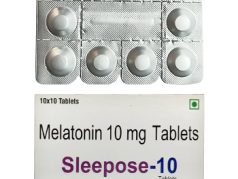
Natural sleeping aids have gained popularity among those seeking gentler alternatives. Melatonin supplements help regulate your body's sleep-wake cycle and are available in Australia. Herbal options including valerian root, passionflower, and chamomile have been traditionally used to promote relaxation and improve sleep quality. These natural remedies appeal to many people seeking non-pharmaceutical approaches to better sleep.
Temazepam remains one of the most commonly prescribed benzodiazepine sleeping aids in Australia. It's particularly effective for helping people fall asleep and is typically used for short-term treatment of insomnia. Nitrazepam is another established benzodiazepine option available through prescription. Zopiclone has become increasingly popular as it offers a different mechanism to traditional benzodiazepines whilst maintaining effectiveness. Zolpidem is another non-benzodiazepine option that helps initiate sleep and is prescribed for various types of insomnia. Your healthcare provider will determine which medication suits your needs based on your sleep patterns and medical history.
Unisom and similar antihistamine-based products are commonly found on Australian pharmacy shelves. Nytol is another recognised over-the-counter brand offering diphenhydramine as the active ingredient. Melatonin supplements such as Circadin (if prescribed) or general melatonin tablets help regulate natural sleep patterns. Herbal combinations containing valerian, passionflower, and other traditional ingredients are widely available under various brand names throughout Australian pharmacies.
Prescription sleeping medications work through different mechanisms depending on their type. Benzodiazepines enhance a neurotransmitter called gamma-aminobutyric acid (GABA), which calms brain activity and promotes sleep. Non-benzodiazepine medications like zopiclone and zolpidem work similarly but with a more targeted approach, often resulting in fewer side effects. Antihistamines cause drowsiness by blocking histamine in the brain, which naturally promotes wakefulness. Natural remedies like melatonin work by regulating your circadian rhythm, the body's internal clock that controls sleep-wake cycles. Herbal options work more gently, promoting relaxation through various plant compounds.
Effectiveness varies significantly between individuals. What works wonderfully for one person may be less effective for another. Most prescription medications show effectiveness within 15–30 minutes of taking them. Over-the-counter options may take longer to work, sometimes 30–60 minutes. Regular use of some sleeping aids can lead to tolerance, meaning you may need higher doses over time. This is why healthcare professionals typically recommend using sleeping aids for limited periods rather than long-term continuous use. It's important to maintain realistic expectations and understand that sleeping aids work best when combined with good sleep hygiene practices.
All medications carry potential side effects, and sleeping aids are no exception. Common side effects of prescription sleeping medications may include drowsiness the following day, dizziness, headaches, and in some cases, complex sleep behaviours. Antihistamine-based products can cause next-day grogginess and may be less effective over time. Some people experience tolerance where the medication becomes less effective with continued use. Dependency can develop with certain medications, particularly benzodiazepines, which is why doctors recommend using them for short periods only.
It's essential to inform your healthcare provider about any existing medical conditions, medications you're taking, or allergies before starting sleeping aids. Certain health conditions such as sleep apnoea, liver disease, or respiratory problems may contraindicate specific sleeping medications. Alcohol should never be consumed with sleeping aids as it significantly increases the risk of serious side effects.
Important safety considerations include:
Sleeping aids work most effectively when combined with healthy sleep habits. Maintaining a consistent sleep schedule, even on weekends, helps regulate your body's natural sleep rhythm. Creating a cool, dark, and quiet sleeping environment promotes better rest. Limiting screen time at least one hour before bed reduces blue light exposure that can interfere with melatonin production. Regular exercise during the day improves sleep quality, though vigorous exercise close to bedtime should be avoided. Reducing caffeine intake, particularly after midday, significantly improves sleep for many people. Relaxation techniques such as deep breathing, meditation, or progressive muscle relaxation can complement sleeping aids effectively.
If sleep problems persist despite using sleeping aids and implementing lifestyle changes, it's important to seek professional help. A doctor can assess whether an underlying condition like sleep apnoea, anxiety, or depression is affecting your sleep. Some people benefit from cognitive behavioural therapy for insomnia (CBT-I), a structured psychological approach with excellent long-term results. Your pharmacist can provide valuable advice about choosing appropriate sleeping aids and identifying potential interactions with other medications. Never hesitate to discuss your concerns with healthcare professionals—they're there to help you achieve better, healthier sleep for improved overall wellbeing.