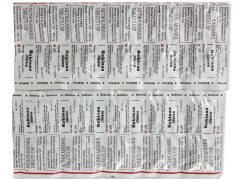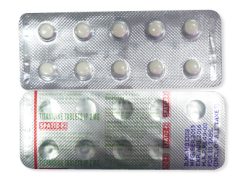
Muscle relaxants are medications designed to alleviate muscle tension, spasms, and stiffness. These pharmaceuticals work by reducing the activity of muscles or by affecting the central nervous system to decrease muscle tone. They're commonly prescribed for conditions causing acute or chronic muscle pain and discomfort.
There are two main categories of muscle relaxants available in Australia. Spasmolytics work directly on skeletal muscle to reduce muscle contractions, whilst antispasticity agents act on the central nervous system to reduce muscle tone in conditions like cerebral palsy and multiple sclerosis. Understanding how these medications function helps patients make informed decisions about their treatment options with their healthcare provider.
Most muscle relaxants require a prescription from an Australian GP or specialist. They're typically used as part of a broader treatment plan that may include physiotherapy, exercise, and other pain management strategies. The choice of medication depends on the underlying cause of muscle tension and individual patient factors.
Muscle relaxants treat a variety of conditions affecting the musculoskeletal system. Acute muscle strain, often resulting from injury or overexertion, is one of the most common reasons Australians are prescribed these medications. The sudden tension and pain associated with muscle strain typically responds well to short-term muscle relaxant therapy.
Chronic pain conditions such as fibromyalgia and myofascial pain syndrome also benefit from muscle relaxant treatment. These conditions involve persistent muscle tension and discomfort that significantly impacts quality of life. Patients often find relief through appropriate medication combined with other therapies.
Back pain remains a leading cause of disability in Australia, and muscle relaxants frequently form part of the treatment strategy. Whether the pain stems from disc problems, postural issues, or muscular strain, these medications can provide significant relief. Whiplash injuries, commonly sustained in motor vehicle accidents, also respond well to muscle relaxant therapy during the acute phase.
Neurological conditions including multiple sclerosis, cerebral palsy, and spinal cord injuries cause abnormal muscle tone and spasticity. Muscle relaxants specifically designed for these conditions help improve mobility and reduce discomfort. Additionally, tension headaches and migraines linked to neck and shoulder muscle tension may be addressed with appropriate muscle relaxant medication.
Several effective muscle relaxants are currently available through Australian pharmacies with appropriate prescriptions:
Many Australian patients find these medications beneficial for improving mobility and reducing discomfort when used appropriately under medical supervision. Healthcare providers carefully select the most suitable option based on your specific condition and individual circumstances.
Proper usage of muscle relaxants ensures maximum benefit whilst minimising potential risks. Most muscle relaxants should be taken exactly as prescribed by your healthcare provider, typically with or without food depending on the specific medication. Never exceed the recommended dose or frequency without consulting your GP.
For acute muscle strain, muscle relaxants are usually prescribed for short-term use, typically two to three weeks. This approach helps prevent dependency and allows the underlying condition to heal through natural recovery and physiotherapy. Taking the medication at bedtime may be recommended if drowsiness occurs, as this common side effect can be managed through appropriate timing.
Chronic conditions requiring longer-term muscle relaxant use require careful monitoring by your healthcare provider. Regular check-ups ensure the medication remains effective and that side effects remain manageable. Your doctor may occasionally adjust dosages or try alternative medications to find the most suitable option for your individual needs.
When starting muscle relaxant therapy, many patients begin with lower doses that are gradually increased if necessary. This approach allows your body to adjust to the medication and helps identify the most effective dose for your particular condition. Always inform your GP about other medications, supplements, or health conditions before beginning muscle relaxant treatment.
Whilst muscle relaxants are generally safe when used appropriately, they can cause side effects. Drowsiness and dizziness are among the most common, affecting your ability to drive or operate machinery. Never drive or perform hazardous activities until you understand how the medication affects you personally.
More serious side effects, though less common, warrant immediate medical attention. These may include allergic reactions, liver problems, or severe muscle weakness. Always read the medication information provided by your pharmacist and report any concerning symptoms to your GP immediately.
Muscle relaxants can interact with alcohol, certain medications, and other substances. Alcohol consumption significantly increases drowsiness and dizziness risks and should be avoided. Always discuss your complete medication list with your GP and pharmacist before starting muscle relaxant therapy to prevent dangerous interactions.
Certain populations require special consideration when using muscle relaxants. Pregnant women, older adults, and patients with liver or kidney problems may need modified doses or alternative treatments. Your healthcare provider will carefully assess your individual circumstances before recommending appropriate therapy.
Long-term use of some muscle relaxants, particularly benzodiazepine-based options, carries dependency risks. Your GP will monitor usage patterns and may recommend periodic breaks or alternative approaches to manage this concern. Never suddenly stop taking muscle relaxants without medical guidance, as withdrawal symptoms may occur.
Muscle relaxants work best when combined with other treatment approaches addressing the underlying cause of muscle tension. Physiotherapy and targeted exercise programmes significantly enhance recovery from acute muscle strain and improve chronic muscle conditions. Your GP or physiotherapist can recommend appropriate exercises for your specific condition.
Heat therapy provides excellent complementary pain relief, particularly during acute phases of muscle strain. Applying heat pads or taking warm baths helps reduce muscle tension and improves circulation. Cold therapy may be more appropriate for acute injuries with inflammation, so discuss the best approach with your healthcare provider.
Stress management techniques including meditation, yoga, and breathing exercises reduce muscle tension naturally. Many Australians find these complementary approaches enhance the effectiveness of medication-based treatment. Progressive muscle relaxation specifically targets tension-holding patterns and provides drug-free tension relief.
Maintaining proper posture and ergonomics prevents muscle strain development and supports recovery from existing conditions. Regular movement breaks during work, appropriate furniture, and mindful positioning reduce unnecessary muscle tension. Stretching exercises performed regularly maintain flexibility and prevent tightness.
A healthy lifestyle supporting overall wellness benefits muscle health significantly. Adequate sleep, regular physical activity, balanced nutrition, and stress reduction all contribute to better muscle function and faster recovery. Discuss specific lifestyle modifications with your healthcare provider to develop a comprehensive treatment plan addressing your individual needs and circumstances.