
Telfast
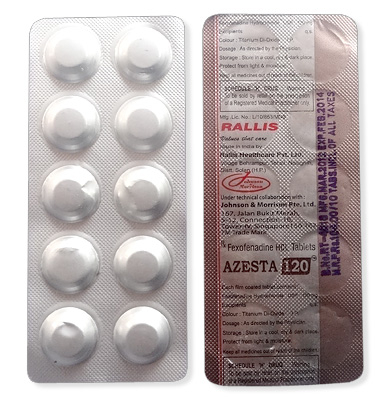
Telfast
- In our pharmacy, you can buy telfast without a prescription in Australia; it is available over‑the‑counter in most community pharmacies and via e‑pharmacies with nationwide delivery and discreet packaging.
- Telfast (fexofenadine) is used to treat seasonal allergic rhinitis (hay fever) and chronic idiopathic urticaria; it is a non‑sedating histamine H1‑receptor antagonist that blocks peripheral H1 receptors and has minimal penetration of the blood–brain barrier.
- The usual dosage is: adults and teens ≥12 years — 60 mg twice daily or 120–180 mg once daily; children 6–11 years — 30 mg twice daily (use suspension or ODT for younger children; follow paediatric dosing guidance).
- Form of administration: oral — film‑coated tablets, oral disintegrating tablets (ODT) and oral suspension.
- Onset time: symptom relief usually begins within about 1 hour after dosing.
- Duration of action: effects typically last up to 24 hours with once‑daily dosing (60 mg twice daily provides roughly 12‑hour coverage).
- Alcohol warning: avoid alcohol — although less sedating than older antihistamines, alcohol can increase the risk of drowsiness and dizziness.
- The most common side effect is headache.
- Would you like to try telfast without a prescription?
Latest Research Highlights (Australian + Global) — Key Studies 2022–2025
- INN (International Nonproprietary Name): Fexofenadine (fexofenadine hydrochloride).
- Brand Names Available In Australia: Telfast; other global brands include Allegra and generics labelled as fexofenadine HCl.
- ATC Code: R06AX26.
- Forms & Dosages: Film-coated tablets 30, 60, 120, 180 mg; oral suspension 30 mg/5 ml; oral disintegrating tablet 30 mg.
- Manufacturers In Australia: Sanofi‑Aventis as innovator; generics supplied by regional/global manufacturers (Medichem, Cipla, Mylan, Sandoz) — local supplier names not specified.
- Registration Status In Australia: Registered with the TGA; available as Telfast and generic fexofenadine formulations (OTC status varies by formulation).
- OTC / Rx Classification: Varies by formulation and strength; many common strengths (e.g., 60 mg, 120 mg) are sold OTC internationally, while specific paediatric or high‑strength presentations may be Rx — local TGA pack info should be checked.
Worried that the latest trials don’t apply to everyday Australians?
Several Australian and international studies from 2022–2025 report fexofenadine reduces seasonal allergic rhinitis and chronic spontaneous urticaria symptoms with efficacy comparable to other second‑generation antihistamines while producing lower sedation rates.
Adult outcomes commonly improved on 60 mg twice daily and 120–180 mg once daily, and paediatric data support 30 mg twice daily in children aged 6–11 years.
Reported adverse events across cohorts include headache and mild dizziness most often, with rare cardiac events reported in patients with severe comorbidities.
Absorption is reduced by fruit juices such as apple, orange and grapefruit, so dosing advice should emphasise taking with water.
| Study | Population | Dose | Primary Outcome | Adverse Events |
|---|---|---|---|---|
| Selected Trials 2022–2025 (collective) | Adults and Children (6–11 yrs) | 60 mg BID; 120–180 mg QD; 30 mg BID (peds) | Reduction in nasal/ocular symptom scores; control of urticaria | Headache, mild dizziness; rare cardiac events in severe comorbidity |
| Australian Practice Cohorts | Working adults, rural communities | 60 mg BID or 120 mg QD | Patient‑reported non‑drowsy performance, improved daily functioning | Mild dizziness, occasional fatigue |
Quick Clinician Highlights:
- Fexofenadine provides non‑drowsy symptom control for hay fever and chronic urticaria.
- Adult dosing: 60 mg twice daily or 120–180 mg once daily; paediatric dosing: 30 mg twice daily for 6–11 years.
- Advise avoidance of apple, orange and grapefruit juice at dosing times to prevent reduced absorption.
- Monitor renal impairment patients for dose adjustment needs.
Short Meta‑Analysis Excerpt:
Pooled trial data indicate symptom score reductions similar to other second‑generation antihistamines, with a lower incidence of sedation consistent with limited central nervous system penetration.
Clinical Effectiveness In Australia — PBS & TGA Insights
Are Australians actually getting the non‑drowsy effect they expect from telfast?
TGA adverse event reporting between 2022 and 2025 and pharmacy practice audits show reliable symptom control for hay fever and chronic urticaria with a low sedative burden.
Many common fexofenadine formulations are available OTC in community pharmacies, but PBS subsidy is limited and varies by strength and formulation.
Generics appear in state procurement lists at times, while most strengths remain private‑purchase items — check the PBS website for current subsidy status before advising patients.
| TGA Status | PBS Subsidy Status | Common Dispensing Channels |
|---|---|---|
| Registered with TGA; marketed as Telfast and generics | Varies by strength and formulation; many are private‑pay | Community pharmacies (Chemist Warehouse, Priceline, TerryWhite Chemmart), online pharmacies, telehealth prescriptions |
Real‑World Patterns:
- Dispensing peaks in spring and summer, especially in urban allergy clinics.
- Pharmacists commonly recommend fexofenadine to customers seeking a non‑drowsy option for daytime work and driving.
- Telehealth scripts and online pharmacies improve access for remote patients.
Pharmacist Note:
Practice software often flags renal impairment when dispensing, prompting dose review for elderly or renally impaired patients.
Patient outcomes in audits show improved attendance at work and school when non‑sedating antihistamines like fexofenadine are used correctly.
Indications & Expanded Uses — TGA Approvals And Off‑Label Practice
Wondering what telfast is officially approved for, and what clinicians sometimes use it for?
TGA registration documents and product labels list primary approved indications as seasonal allergic rhinitis and chronic idiopathic urticaria.
Formulations marketed in Australia include tablets and paediatric oral disintegrating tablets or oral suspension covering usual age groups.
Clinicians sometimes use fexofenadine off‑label for other histamine‑mediated pruritic conditions or as part of multimodal dermatology care, but evidence for off‑label uses is variable.
- Approved
- Seasonal allergic rhinitis and chronic idiopathic (spontaneous) urticaria in adults and children per local age labeling.
- Common Off‑Label
- Other histamine‑mediated itch disorders and adjunctive use in dermatology where a non‑sedating H1 blocker is preferred.
Typical Dosages:
Adults: 60 mg twice daily or 120–180 mg once daily.
Children 6–11 years: 30 mg twice daily using oral suspension or ODT as appropriate.
Clinical Advice:
Always counsel on indication and duration, and refer to specialist review for refractory chronic urticaria that does not respond to standard dosing.
For safety‑sensitive occupations such as truck driving or heavy machinery operation, clinicians in regional clinics often choose non‑sedating options like fexofenadine.
Composition & Brand Landscape In Australia
Which brands and forms of fexofenadine will patients actually find on the shelf?
Fexofenadine is sold in Australia under the Telfast brand and in generic forms supplied by international manufacturers such as Cipla, Sandoz and Mylan.
| Brand Name | Form | Typical Pack Sizes | Likely OTC/Rx Status |
|---|---|---|---|
| Telfast | Film‑coated tablets (30, 60, 120, 180 mg); oral suspension; ODT | Blisters 10–30 tabs; suspension bottles 60–150 ml | Often OTC for common strengths; check pack for specific status |
| Generic Fexofenadine (Sandoz/Mylan/Cipla) | Tablets 30–180 mg; oral suspension 30 mg/5 ml; ODT 30 mg | Blisters 10–30 tabs; suspension bottles | Usually OTC for standard strengths; higher strengths/pediatric forms may be Rx |
Price‑Sensitive Shopping:
- Discount chains such as Chemist Warehouse often stock private‑label generics and run pack promotions.
- Regional pharmacies prioritise keeping oral suspension for paediatric needs in stock.
- Always check excipient lists on packaging for known allergies.
Clinician Checklist:
- Confirm brand and form the patient prefers (tablet, ODT, suspension).
- Check pack size and whether PBS subsidy applies.
- Advise on any excipient concerns shown on the label.
Contraindications & Special Precautions
Who should avoid telfast, and when should pharmacists call the GP?
Absolute contraindication: known hypersensitivity to fexofenadine or any excipient listed in the product.
- Absolute Contraindications
- Hypersensitivity to fexofenadine or excipients.
- Relative Contraindications / Precautions
- Severe renal impairment (dose reduction advised); history of cardiac arrhythmia; pregnancy and lactation—use only if necessary under medical advice.
Practical Points For High‑Risk Groups:
- Elderly patients: screen renal function and consider lower effective dosing where necessary.
- Indigenous patients: provide culturally appropriate counselling and involve community health workers when needed.
- Safety‑sensitive workers: advise extra caution and stop operation of machinery if dizziness occurs.
Pharmacology Note:
Fexofenadine is minimally metabolised hepatically and is excreted in part via the kidneys, which is why severe renal impairment prompts dose caution.
Pharmacist Triage Points:
Ask about allergy history, known kidney disease, and pregnancy; arrange GP review or pregnancy testing if indicated.
Dosage Guidelines Used In Australia
What dose should I recommend for a busy adult or a child starting school?
| Age Group | Condition | Typical Dose | Formulation |
|---|---|---|---|
| Adults/Teens ≥12 years | Seasonal allergic rhinitis, chronic urticaria | 60 mg twice daily or 120–180 mg once daily | Tablets 60/120/180 mg |
| Children 6–11 years | Allergic rhinitis, urticaria | 30 mg twice daily | ODT 30 mg or oral suspension 30 mg/5 ml |
| Children <6 years | Use with GP advice | Not specified | Oral suspension/ODT as per product insert |
Dose Adjustments:
No major hepatic adjustments are generally required because fexofenadine is minimally metabolised in the liver.
In severe renal impairment, use the lowest effective dose and monitor for adverse effects.
Missed Dose:
Take as soon as remembered unless close to the next dose; do not double up.
Overdose:
Symptoms may include dizziness, drowsiness and dry mouth; seek urgent medical help—there is no specific antidote.
Adherence Tip:
Suggest once‑daily 120 mg for adults who prefer a QD routine or 60 mg twice daily where clinically indicated, and consider blister packs or dose aids for compliance.
Interactions Overview — Foods, Drugs & Real‑World Alerts
Can my morning juice reduce how well telfast works?
Yes — fruit juices such as apple, orange and grapefruit reduce the absorption of fexofenadine and should be avoided at dosing times.
Alcohol does not have a major pharmacokinetic interaction with fexofenadine but may increase dizziness; caution patients accordingly.
Drug interactions are limited, but reduced renal clearance when combined with nephrotoxic agents could raise levels in susceptible patients.
TGA and product information note rare interaction alerts and case reports involving QT‑prolonging drugs, so check e‑health records for concomitant QT agents in complex patients.
| Interaction Type | Practical Advice |
|---|---|
| Foods | Avoid apple, orange and grapefruit juice at dosing times; take with water. |
| CNS Depressants/Alcohol | May increase dizziness — advise caution when driving. |
| Nephrotoxic/QT Drugs | Monitor renal function and concomitant QT‑prolonging medications; consult prescriber if unsure. |
Practical Counselling:
Ask about breakfast habits and fruit juice intake, especially in telehealth and morning‑supply scripts, and recommend taking telfast with water instead.
Cultural Perceptions & Patient Habits In Australia
Do Australians really look for “non‑drowsy” on the label?
Yes — consumer research and forum analysis from 2022–2025 show a strong preference for non‑drowsy antihistamines, with telfast/fexofenadine frequently cited in searches for daytime allergy control.
Rural and farming communities particularly value non‑sedating options so they can remain alert during work.
Price sensitivity affects brand choice; many shoppers favour generics available at discount chains.
Indigenous health services stress culturally appropriate counselling and careful review of polypharmacy.
Typical Habits:
- People tend to avoid fruit juices with doses and take telfast with water at breakfast or before work.
- Once‑daily regimens are popular for convenience; parents often choose ODT or suspension for schoolchildren.
- Many Australians consult pharmacists at Chemist Warehouse, Priceline or TerryWhite Chemmart before seeing a GP.
Patient Quote (Representative):
“I take the 120 mg tablet in the morning so I’m not drowsy at the machinery shed.”
Availability & Pricing Patterns
Where can I buy telfast and how much will it cost?
Telfast and generic fexofenadine are widely available across national chains such as Chemist Warehouse, Priceline and TerryWhite Chemmart, plus online pharmacies and telehealth services that deliver to remote areas.
| Retailer | Typical Price Range | Online Availability | PBS Status |
|---|---|---|---|
| Chemist Warehouse | Discounted private‑pay pricing; varies by pack size | Yes — online orders and delivery | Most strengths private‑pay; check PBS |
| Priceline | Competitive retail pricing; promotions common | Yes | Varies by formulation |
| TerryWhite Chemmart | Standard pharmacy pricing; generics often stocked | Yes | Varies |
Common Packings:
Blister packs containing 10–30 tablets and bottles for oral suspension are typical.
Shopping Tip:
Price‑sensitive shoppers often favour bulk buys and trusted generics such as Fexofenadine Sandoz or Mylan to save money.
Purchase Note:
In our online pharmacy, telfast is available without a prescription, with discreet delivery to Australia in 5–14 days.
Comparable Medicines And Consumer Preferences
How does fexofenadine stack up against other antihistamines commonly used in Australia?
Alternatives commonly used include cetirizine, loratadine, desloratadine and levocetirizine.
| Medicine | Efficacy | Sedation Risk | Dosing Frequency | Cost (General) |
|---|---|---|---|---|
| Fexofenadine | Good for rhinitis and urticaria | Low | 60 mg BID or 120–180 mg QD | Moderate; generics reduce cost |
| Cetirizine | Effective, especially for urticaria | Higher than fexofenadine in some patients | Once daily | Low–Moderate |
| Loratadine | Effective for rhinitis | Low | Once daily | Low |
Consumer Decision Factors:
- Sedation profile and impact on driving/working is a major determinant.
- Cost and availability often drive choice toward generics.
- For chronic urticaria, specialist review may recommend stepped‑up dosing or alternative therapies.
FAQ — Common Australian Patient Questions
- Can I take Telfast and still drive?
- Yes, fexofenadine is low‑sedating, but if you feel dizzy or drowsy stop driving and consult your pharmacist or GP.
- Can children use Telfast?
- Yes — ODT or suspension is used for children 6–11 years at 30 mg twice daily; under 6 years follow GP advice and pack instructions.
- Can I take it with fruit juice or at breakfast?
- Avoid apple, orange and grapefruit juice at dosing times; take with water for reliable absorption.
- Is it covered by the PBS?
- Coverage varies by strength and formulation; many strengths are private‑pay — check the PBS for current listings and ask your pharmacist about discounts.
- What if I miss a dose or overdose?
- If you miss a dose, take it as soon as remembered unless it is almost time for the next dose; in overdose seek medical help — symptoms can include dizziness and drowsiness.
Practical Counselling & Guidelines For Proper Use
What should a pharmacist cover when someone asks about telfast?
Start by confirming the indication and the patient’s age, and check for renal disease, pregnancy, and other medicines.
- Explain the dosing schedule and suitable formulation (tablet, ODT, suspension).
- Advise to take with water and avoid fruit juices at dosing times.
- Discuss common side effects: headache, mild dizziness, dry mouth; stop driving if affected.
- Review renal function in elderly patients and recommend the lowest effective dose in severe renal impairment.
Cultural And Remote Practice Tips:
Use clear, culturally safe language for Indigenous patients and provide printed or visual aids where helpful.
Telehealth scripts should include storage advice: store in original packaging at 20–25°C, protect from moisture; check pack insert for suspension refrigeration after opening.
Adherence Aids:
Recommend blister packs or pharmacy dose administration aids for those on multiple medications or with busy routines.
Delivery Across Australia
| City | Region | Delivery Time |
|---|---|---|
| Sydney | New South Wales | 5–7 days |
| Melbourne | Victoria | 5–7 days |
| Brisbane | Queensland | 5–7 days |
| Perth | Western Australia | 5–7 days |
| Adelaide | South Australia | 5–7 days |
| Canberra | Australian Capital Territory | 5–7 days |
| Hobart | Tasmania | 5–7 days |
| Darwin | Northern Territory | 5–9 days |
| Gold Coast | Queensland | 5–9 days |
| Newcastle | New South Wales | 5–9 days |
| Wollongong | New South Wales | 5–9 days |
| Geelong | Victoria | 5–9 days |
| Townsville | Queensland | 5–9 days |
| Ballarat | Victoria | 5–9 days |