Allergies occur when your immune system overreacts to a substance that's normally harmless. These substances, called allergens, can trigger symptoms ranging from mild discomfort to severe reactions. Antiallergic medications work by blocking the release of histamine and other chemical messengers that cause allergic symptoms. Understanding how these medications work helps you choose the right treatment for your specific needs.
In Australia, antiallergic medicines are widely available through pharmacies and play a crucial role in managing seasonal and year-round allergies. Whether you suffer from hay fever, pet allergies, or dust mite sensitivities, there's likely an appropriate antiallergic solution available. These medications can provide relief from itching, sneezing, runny nose, and watery eyes that significantly impact daily life.
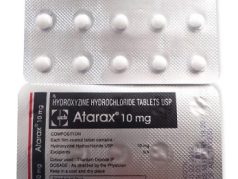
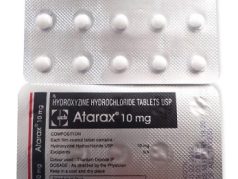
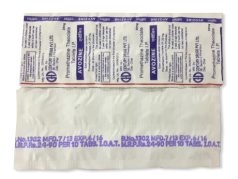
Antihistamines are the most commonly used antiallergic medications and come in two main categories: first-generation and second-generation formulations. First-generation antihistamines, such as promethazine and chlorpheniramine, work quickly but often cause drowsiness. Second-generation antihistamines like cetirizine, fexofenadine, and loratadine are newer formulations that provide effective relief with minimal sedation.
Popular brands available in Australian pharmacies include Piriteze, Claratyne, and Telfast. These medications are suitable for both adults and children, though dosages vary. Antihistamines work best when taken regularly during allergy season rather than waiting for symptoms to appear. They can be taken as tablets, capsules, or liquid formulations depending on your preference and age. Most antihistamines are available without prescription at your local pharmacy, making them accessible and convenient for regular use throughout the year.
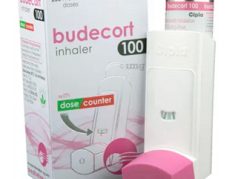
Nasal antiallergic sprays provide targeted relief directly to the site of allergic inflammation. Corticosteroid nasal sprays like fluticasone and mometasone reduce inflammation and congestion effectively. These sprays are particularly useful for managing hay fever symptoms, especially during high pollen seasons.
Decongestant nasal sprays offer rapid relief from blocked noses but should only be used for short periods to avoid dependency. Australian pharmacies stock various nasal spray options including Nasonex, Flixonase, and Iliadin. Nasal sprays are easy to use and provide relief within minutes for many sufferers. They're especially beneficial for people who experience significant nasal congestion alongside other allergic symptoms. Regular use of corticosteroid nasal sprays can prevent symptoms from developing, making them ideal for preventative care. These products are suitable for adults and children over a certain age, with specific formulations available for different age groups.
Beyond standard antihistamines and nasal sprays, several specialty treatments address specific allergic conditions. Cromoglycate sodium acts as a preventative by stabilising mast cells and blocking histamine release. This medication is particularly effective for eye allergies and can be applied as eye drops available in Australian pharmacies.
Montelukast, sold as Singulair, works differently by blocking leukotriene receptors and is especially useful for allergy-related asthma. Decongestants containing pseudoephedrine provide relief from nasal congestion, though they require pharmacist consultation in Australia. Immunotherapy, or allergy shots, represents a long-term treatment option for severe allergies. Eye drops specifically formulated for allergic conjunctivitis provide targeted relief from itchy, red eyes. These specialty treatments often work best in combination with standard antihistamines for comprehensive symptom management. Your pharmacist can recommend which specialty treatments might benefit your particular allergic condition.
Selecting the appropriate antiallergic medication depends on several factors including symptom type, severity, and personal preferences. Consider the following when making your choice:
Your age matters too, as some medications suit adults better whilst others work well for children. It's worth trying different products under pharmacist guidance to find what works best for your body. Many people find combining treatments, such as an oral antihistamine with a nasal spray, provides optimal symptom control.
Whilst antiallergic medications are generally safe, understanding potential side effects helps you use them responsibly. First-generation antihistamines commonly cause drowsiness, affecting driving and machinery operation. Second-generation antihistamines rarely cause drowsiness but may occasionally cause headaches or dry mouth.
Nasal sprays can cause minor nasal irritation or nosebleeds with long-term use. Some people experience interactions between antiallergic medications and other drugs they're taking. Alcohol can intensify drowsiness caused by certain antihistamines. Pregnancy and breastfeeding require careful medication selection, so consult your pharmacist or doctor. Children need age-appropriate formulations and dosages different from adult recommendations.
If symptoms don't improve after two weeks of treatment, speak with your pharmacist. Severe allergic reactions like anaphylaxis require emergency medical attention regardless of antiallergic medications used. Regular consultation with your healthcare provider ensures you're using the most effective and safe antiallergic treatment for your individual needs.