Nicotine is one of the most addictive substances available, affecting the brain's reward system and creating both physical and psychological dependence. When you smoke, nicotine reaches your brain within seconds, triggering the release of dopamine that creates a feeling of pleasure and satisfaction. Over time, your body adapts to this stimulation, requiring more nicotine to achieve the same effect.
Quitting smoking is one of the most significant health decisions you can make. Smoking-related diseases kill nearly 15,000 Australians every year, including deaths from lung cancer, heart disease, and chronic obstructive pulmonary disease. Beyond the serious health risks, smoking affects your skin, teeth, and overall quality of life. The good news is that quitting at any age brings substantial health benefits, with improvements beginning within hours of your last cigarette. Your heart rate normalises, oxygen levels increase, and within weeks, your lung function begins to improve significantly.
Nicotine Replacement Therapy (NRT) is a proven approach to help manage withdrawal symptoms whilst you quit smoking. NRT works by delivering nicotine to your body without the harmful chemicals found in cigarette smoke, gradually reducing your dependence over time.
Beyond nicotine replacement, prescription medications can significantly improve your chances of successfully quitting smoking. These medications work through different mechanisms to reduce cravings and withdrawal symptoms.
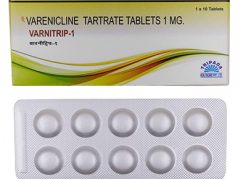
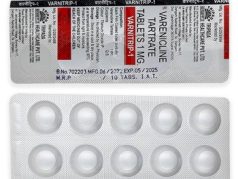
Varenicline is a prescription medication that works by partially stimulating nicotine receptors in the brain whilst blocking the effects of nicotine from cigarettes. This dual action reduces both cravings and the rewarding sensation of smoking. Champix is typically taken for 12 weeks, with a gradual dose increase during the first week. Studies show that Champix roughly doubles the chances of quitting successfully compared to placebo.
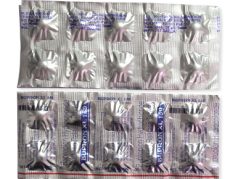
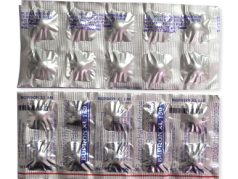
Bupropion is an antidepressant medication that reduces cravings and withdrawal symptoms. It works by increasing levels of dopamine and noradrenaline in the brain, helping to maintain motivation and mood during the quitting process. Bupropion is usually prescribed for 7-12 weeks and should be started one to two weeks before your quit date.
Both medications require a prescription from your doctor and may not be suitable for everyone. Your healthcare provider will assess your medical history and current health status to recommend the most appropriate option for you.
Research shows that combining multiple approaches significantly increases your chances of successfully quitting smoking. Many people find that using both NRT and prescription medication together is more effective than either approach alone.
A common strategy involves combining a long-acting nicotine patch with short-acting NRT like gum or lozenges. The patch provides steady background nicotine levels to prevent major withdrawal symptoms, whilst the gum or lozenges give you control over managing breakthrough cravings throughout the day.
Behavioural support is equally important as medications and NRT. Counselling helps you identify your smoking triggers, develop coping strategies, and maintain motivation during challenging moments. Many Australian state health departments offer free quitline services providing telephone counselling and support. Cognitive behavioural therapy can be particularly helpful for addressing the psychological aspects of addiction.
Support groups connect you with others experiencing similar challenges, providing encouragement and practical advice. Apps and online resources can track your progress, provide daily motivation, and offer immediate support during moments of weakness.
Withdrawal symptoms typically begin within a few hours of quitting and peak within the first three days. Common symptoms include irritability, anxiety, difficulty concentrating, increased appetite, and intense cravings for cigarettes. Understanding what to expect helps you prepare and persist through this challenging period.
Cravings usually last only 3-5 minutes, though they may feel longer. Having strategies ready makes these moments manageable. Physical activity is particularly effective, whether it's a quick walk, some stretching, or any exercise that distracts your mind and body. Staying hydrated, drinking herbal tea, or chewing sugar-free gum can also help.
Withdrawal-related mood changes typically improve within a few weeks as your brain chemistry rebalances. NRT and prescription medications significantly reduce withdrawal severity, making the process more bearable. If you experience severe symptoms, contact your healthcare provider or quitline for additional support.
Success requires planning and preparation. Start by setting a specific quit date within the next two weeks, giving yourself time to prepare mentally and gather resources without losing motivation.
Contact your doctor at least two weeks before your quit date to discuss medication options and receive a prescription if appropriate. Discuss any health conditions or other medications you're taking to ensure safety and effectiveness.
Identify your personal smoking triggers—whether stress, social situations, certain times of day, or specific locations—and plan alternative responses for each. Tell friends, family, and colleagues about your quit date, enlisting their support and accountability.
Remove all cigarettes, lighters, and ashtrays from your environment on your quit date. Clean your clothes and car to eliminate smoking reminders. Stock healthy snacks and plan rewarding activities for the challenging first few weeks.
Start NRT or medications as directed by your healthcare provider, typically on or a few days before your quit date. Keep emergency numbers for your quitline or healthcare provider readily available.
Remember that most successful quitters make multiple attempts before achieving permanent success. Each attempt provides valuable learning experiences and brings you closer to your goal of becoming smoke-free.