Hair loss affects millions of Australians and can occur for various reasons including genetics, hormonal changes, stress, nutritional deficiencies, and medical conditions. Understanding the underlying cause of hair loss is the first step towards finding an effective treatment solution. Hair loss can be temporary or permanent, and the severity varies from person to person. Some people experience gradual thinning, whilst others notice sudden hair shedding.
Common types of hair loss include androgenetic alopecia (male and female pattern baldness), telogen effluvium (temporary hair shedding), and alopecia areata (patchy hair loss). Consulting with a healthcare professional can help determine the cause and appropriate treatment options for your specific situation.
Minoxidil is a popular over-the-counter topical treatment available throughout Australia. It comes in various forms including foam and liquid solutions, typically in 2% and 5% concentrations. This medication works by stimulating hair growth and is suitable for both men and women. Minoxidil is applied directly to the scalp and needs consistent use for visible results, usually taking 3–6 months. It's available under various brand names at Australian pharmacies and online retailers. Another topical option is tretinoin, which may be prescribed by doctors to enhance the effectiveness of minoxidil when used together.
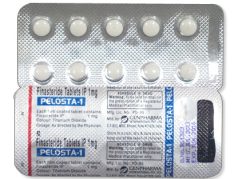
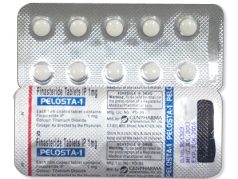
Finasteride is a prescription medication commonly prescribed in Australia for male pattern baldness. This oral tablet works by reducing DHT (dihydrotestosterone), the hormone responsible for hair loss in genetically predisposed men. Finasteride is typically taken daily and requires a prescription from a GP or dermatologist. Results usually become apparent after 3–6 months of consistent use. Another oral medication option is spironolactone, which is sometimes prescribed for female pattern hair loss. These medications require ongoing use to maintain their benefits.
Hair transplant surgery is available at specialised clinics throughout Australia. This procedure involves moving hair follicles from areas with healthy growth to thinning areas. Modern techniques include Follicular Unit Extraction (FUE) and Follicular Unit Transplantation (FUT). Platelet-Rich Plasma (PRP) therapy is another emerging treatment offered at select Australian clinics. Low-Level Laser Therapy (LLLT) devices are also available, though evidence for their effectiveness varies.
Hair health depends significantly on proper nutrition. Biotin, also known as Vitamin B7, is widely available in Australian pharmacies and is believed to support hair strength and growth. Iron deficiency can contribute to hair loss, so iron supplements may be recommended if deficiency is identified. Zinc plays a crucial role in hair growth and repair, and supplements are readily available. Vitamin D deficiency has been linked to hair loss, and many Australians benefit from supplementation, particularly during winter months.
Various Australian and international supplement brands offer hair-specific formulations. These typically combine biotin, zinc, iron, and other vitamins in convenient daily tablets or capsules. Collagen supplements have also gained popularity for promoting hair, skin, and scalp health. Saw palmetto is a natural supplement available in Australia that some believe may help reduce hair loss by blocking DHT. Always consult a healthcare professional before starting any supplement regime, as some may interact with other medications.
Reducing stress through meditation, exercise, and adequate sleep can positively impact hair health. A balanced diet rich in proteins, healthy fats, and vitamins supports hair growth. Regular scalp massage can improve blood circulation to hair follicles. Avoiding tight hairstyles that pull on the scalp can reduce tension-related hair loss. Protecting hair from excessive heat styling and harsh chemical treatments helps maintain hair strength and prevents breakage.
Tea tree oil and coconut oil are popular natural options used to nourish the scalp. These oils can be applied directly to the scalp or incorporated into hair care routines. Aloe vera is another natural remedy believed to soothe the scalp and promote hair health. Some Australians use onion juice as a traditional remedy, though scientific evidence is limited. Rosemary oil has been used traditionally and is available in Australian health stores.
If hair loss is sudden, severe, or accompanied by scalp irritation or other symptoms, consulting a GP is recommended. Dermatologists specialise in hair and scalp conditions and can provide diagnosis and treatment recommendations. A healthcare professional can determine whether hair loss is caused by medical conditions such as thyroid disorders, hormonal imbalances, or nutritional deficiencies. Blood tests may be recommended to identify underlying causes. Getting professional advice ensures you receive appropriate treatment tailored to your specific situation rather than relying on generic solutions.
Sudden significant hair loss, hair loss accompanied by pain or bleeding, or hair loss following a stressful event or medication change should be evaluated promptly. If over-the-counter treatments aren't effective after several months of consistent use, consulting a specialist is advisable.
Selecting the right hair loss treatment requires careful consideration of your individual circumstances. Consider the following factors when evaluating your options:
Read reviews from other Australian users to understand real-world effectiveness and outcomes. Check that products are approved by Australian regulatory bodies such as the TGA (Therapeutic Goods Administration). Start with one treatment at a time to assess effectiveness and identify any adverse reactions. Keep realistic expectations, as hair regrowth takes time and results vary from person to person. Consider combining approaches such as supplements with topical treatments for potentially better results. Always read product labels and follow usage instructions carefully for optimal outcomes and to maximise the benefits of your chosen treatment.