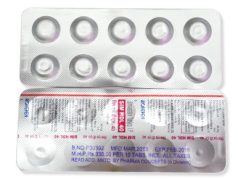
Cholesterol is a waxy substance found in your blood that your body needs to build cells and make hormones. However, high cholesterol levels can increase your risk of heart disease and stroke. There are two main types of cholesterol: LDL (low-density lipoprotein), often called "bad cholesterol," and HDL (high-density lipoprotein), known as "good cholesterol." Your body also produces triglycerides, another type of fat in your blood that can contribute to heart disease when levels are too high.
Many Australians have high cholesterol without realising it, as there are usually no symptoms. This is why regular testing is important, especially if you have a family history of heart disease, are overweight, or lead a sedentary lifestyle. Managing your cholesterol through diet, exercise, and medication when necessary can significantly reduce your risk of serious health complications and help you live a longer, healthier life.
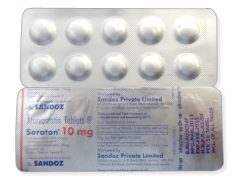
Statins are the most widely prescribed cholesterol-lowering medications in Australia. These medications work by blocking an enzyme in your liver that produces cholesterol, helping to reduce LDL cholesterol levels in your blood. Statins are highly effective and have been shown to reduce the risk of heart attack and stroke in many people.
Common statins available in Australia include:
These medications are available through Medicare in Australia, making them accessible and affordable for most patients. Most statins are taken once daily in the evening, as cholesterol production is higher at night. It's important to take them consistently as prescribed to achieve the best results. Many people can manage their cholesterol effectively with statin therapy alone when combined with a healthy lifestyle.
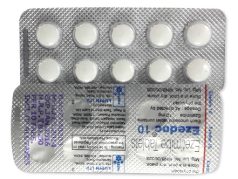
Beyond statins, several other medications can help manage cholesterol levels in Australia. Ezetimibe works differently from statins by reducing cholesterol absorption in your intestines. It's often prescribed alongside a statin for enhanced cholesterol reduction and is particularly useful for people who don't tolerate statins well or need additional help.
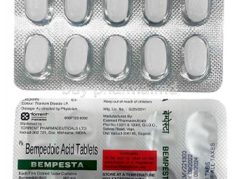
PCSK9 inhibitors are newer medications that have become available in Australia for people with very high cholesterol or those who haven't responded adequately to statins. These injections are typically prescribed by specialists and can dramatically lower LDL cholesterol levels. Bempedoic acid is another newer option that works by reducing uric acid production whilst also lowering cholesterol.
Fibrates are medications that primarily lower triglycerides but may also have a modest effect on cholesterol levels. They're often prescribed for people with high triglycerides and low HDL cholesterol. Niacin, also known as vitamin B3, can help raise HDL cholesterol and lower triglycerides, though it's less commonly used now due to side effects. Your doctor will determine which medication or combination is best suited to your individual cholesterol profile and health needs.
While medication is important for many people, lifestyle changes play a crucial role in managing cholesterol effectively. A heart-healthy diet rich in vegetables, fruits, whole grains, and lean proteins can significantly reduce your cholesterol levels. Reducing saturated fats and trans fats is particularly important, as these increase LDL cholesterol. Choose olive oil, nuts, and fish rich in omega-3 fatty acids instead.
Regular physical activity is another key component of cholesterol management. Aim for at least 150 minutes of moderate-intensity exercise per week, such as brisk walking, swimming, or cycling. Exercise helps raise HDL cholesterol whilst lowering LDL cholesterol and triglycerides. Even small amounts of activity throughout the day can make a difference.
Maintaining a healthy weight, quitting smoking, and limiting alcohol consumption are also essential for cholesterol control. Excess weight contributes to higher cholesterol levels, whilst smoking damages blood vessels and lowers HDL cholesterol. Managing stress through relaxation techniques, meditation, or yoga can also help, as stress hormones can affect your cholesterol levels. These lifestyle modifications work best when combined with appropriate medication under your doctor's guidance.
Regular cholesterol testing is essential for monitoring your progress and ensuring your treatment plan is working effectively. In Australia, Medicare covers cholesterol tests for eligible patients, and your GP can arrange these through a pathology service. You'll typically receive results showing your LDL, HDL, total cholesterol, and triglyceride levels.
Your target cholesterol levels depend on your individual risk factors and medical history. Generally, doctors aim for LDL cholesterol below 3.5 mmol/L for most people, though those with heart disease or diabetes may need lower targets. HDL cholesterol should ideally be above 1 mmol/L. Your GP will discuss what targets are appropriate for you and adjust your treatment if needed.
It's important to have regular follow-up appointments with your doctor to monitor how well your cholesterol medication is working and to check for any side effects. Most people on cholesterol medication need regular blood tests to ensure their liver and kidneys are functioning properly. Keeping a record of your cholesterol levels over time helps you and your doctor track your progress and make informed decisions about your treatment plan.
Most cholesterol medications are well tolerated by the majority of Australian patients, but side effects can occur. The most commonly reported side effect of statins is muscle pain or weakness, which some people experience in their legs or arms. If you develop unexplained muscle pain or weakness whilst taking a statin, it's important to inform your doctor promptly.
Other possible side effects may include headaches, digestive upset, or increased blood sugar levels. Some people may experience elevated liver enzymes, which is why regular blood tests are important. If you experience severe muscle pain, weakness, dark urine, or yellowing of the skin or eyes, stop taking your medication and contact your doctor immediately, as these could indicate serious complications.
It's essential to discuss any concerns or side effects with your healthcare provider rather than stopping your medication without guidance. Your doctor can adjust your dose, switch you to a different medication, or explore alternative treatment options. Remember that the benefits of cholesterol management in reducing your risk of heart disease and stroke typically far outweigh potential side effects for most people. Never hesitate to contact your pharmacist or GP if you have questions about your cholesterol medications or treatment plan.