Birth control, also known as contraception, provides individuals and couples with the ability to plan pregnancies and space children according to their circumstances and preferences. In Australia, there are numerous contraceptive methods available, each with varying effectiveness rates, benefits, and considerations. Understanding these options helps you make informed decisions about your reproductive health with support from your healthcare provider.
Birth control methods work through different mechanisms—some prevent ovulation, others create barriers to sperm, and some prevent implantation of a fertilised egg. The choice of contraception depends on individual health factors, lifestyle, frequency of sexual activity, and personal preferences. Many Australians use birth control not only to prevent pregnancy but also to manage hormonal conditions, reduce period pain, or regulate menstrual cycles. It's important to note that while some methods are highly effective, no contraceptive is 100% effective, and combining methods often provides greater protection.
Hormonal contraceptives are among the most popular birth control methods available in Australia. These medications contain synthetic hormones that prevent pregnancy by suppressing ovulation, thickening cervical mucus, or thinning the uterine lining.
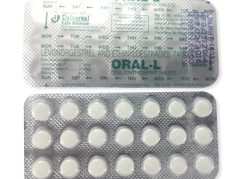
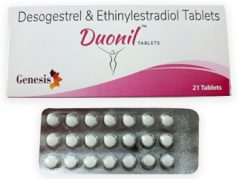
The oral contraceptive pill remains one of the most widely used birth control methods in Australia. Combined oral contraceptives contain oestrogen and progestin and are taken daily. Popular brands available in Australia include Levora, Microgynon, Yasmin, and Diane-35. The progestin-only pill, often called the mini-pill, is another option and includes brands such as Micronor. These pills must be taken consistently at the same time each day for maximum effectiveness. When used perfectly, the pill is over 99% effective, though typical use effectiveness is around 91% due to missed doses.
The contraceptive implant, known as Implanon or Nexplanon, is a small rod inserted under the skin of the upper arm. It releases progestin slowly and provides protection for three years. The contraceptive injection, available as Depo-Provera in Australia, is administered every 12 weeks and is approximately 94% effective with typical use. Both methods are convenient for those who prefer not to take daily medication and have high effectiveness rates.
Intrauterine devices are small T-shaped devices inserted into the uterus by a healthcare professional and represent some of the most effective reversible birth control methods available in Australia.
The hormonal IUD, marketed as Mirena in Australia, releases small amounts of progestin directly into the uterus. It provides protection for up to five years and is over 99% effective. Many users experience lighter periods or amenorrhoea, making it popular among those seeking to reduce menstrual bleeding. The Mirena can also be used as part of hormone replacement therapy in certain circumstances.
The copper IUD, available as Copper T or similar devices in Australia, works by creating an environment toxic to sperm and is equally effective as hormonal IUDs. It lasts up to ten years and contains no hormones, making it suitable for those who prefer hormone-free contraception. Both IUD types require professional insertion and removal but offer long-acting, reversible protection.
Barrier methods physically prevent sperm from reaching the egg and include several options suitable for different preferences and circumstances.
Male condoms are readily available throughout Australia in pharmacies, supermarkets, and other retailers. They offer the dual benefit of contraception and protection against sexually transmitted infections. Female condoms provide an alternative and are also available. Diaphragms are dome-shaped devices that cover the cervix and must be fitted by a healthcare provider. When used with spermicide, barrier methods are approximately 88% effective with typical use.
Spermicidal creams and foams are available in Australian pharmacies and work by immobilising sperm. Natural methods, including fertility awareness and the rhythm method, involve tracking ovulation patterns to avoid fertile days. These methods require careful monitoring and have higher failure rates, around 76–88% with typical use. They appeal to those with religious or personal objections to other contraceptive methods.
For those who have completed their families or are certain about their reproductive choices, permanent options exist. Additionally, emergency contraception provides backup protection when other methods fail.
Tubal ligation for women and vasectomy for men are permanent contraceptive methods available in Australia. Vasectomy involves blocking the vas deferens and is performed as a minor surgical procedure. Tubal ligation involves blocking or removing the fallopian tubes and requires more invasive surgery. Both procedures are considered permanent, though reversal is sometimes possible. These options are typically for individuals who are certain they do not want children in the future.
Emergency contraceptive pills, commonly known as the morning-after pill, are available in Australian pharmacies without prescription. Products like Postinor and levonorgestrel-based medications work by delaying ovulation and must be taken within 72 hours of unprotected intercourse for maximum effectiveness. The copper IUD can also be used as emergency contraception up to five days after intercourse. These options provide crucial backup protection in cases of contraceptive failure or unprotected sex.
Selecting appropriate birth control requires consideration of multiple factors and ongoing consultation with healthcare providers to ensure your contraceptive method continues to suit your needs.
A GP or sexual health clinic can assess your medical history, current medications, and lifestyle to recommend suitable options. Factors influencing choice include:
Australian healthcare providers can discuss effectiveness rates, side effects, and how each method aligns with your preferences and circumstances.
Some individuals experience side effects when starting birth control, which often diminish after several months. Common effects include nausea, breast tenderness, or mood changes with hormonal methods. Your healthcare provider may suggest alternative formulations or different contraceptive types if side effects persist. Regular check-ups allow monitoring of blood pressure, particularly for those using hormonal contraceptives. Many Australians find their ideal contraceptive method after trying one or two options, and switching methods remains possible at any time. Discussing concerns with your healthcare provider ensures you maintain effective protection while managing your overall health and wellbeing effectively.