
Misoprostol
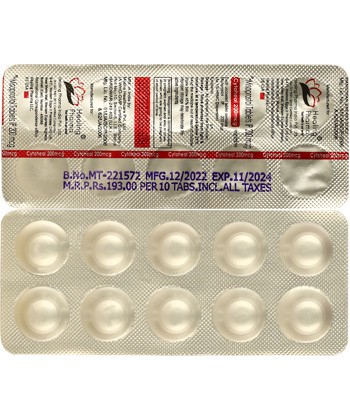
Misoprostol
- In some pharmacies and via online suppliers in Australia misoprostol can be obtained without a prescription or receipt with home delivery (timing varies by supplier); formally it is classed as prescription-only in most countries, so check local laws and pharmacy policy before purchase.
- Misoprostol is used for prevention of NSAID‑induced gastric ulcers, medical abortion (with mifepristone), miscarriage management, labour induction and prevention/treatment of postpartum haemorrhage; it is a prostaglandin E1 analogue that reduces gastric acid secretion and enhances mucosal defence, and it stimulates uterine contractions and cervical ripening by acting on prostaglandin receptors.
- Usual dosages vary by indication: gastric ulcer prophylaxis 200 mcg 2–4 times daily; medical abortion 800 mcg (4×200 mcg) buccal/vaginal/sublingual after mifepristone; miscarriage management commonly 800 mcg vaginally (may repeat after 3–12 h); labour induction low dose regimens such as 25 mcg vaginally every 4–6 h (off‑label in many locations); postpartum haemorrhage 600–800 mcg orally as a single dose.
- Formulation is primarily 200 mcg tablets (some 100 mcg); routes of administration include oral, sublingual, buccal and vaginal tablets; also available in combination products (e.g., with diclofenac) in some regions.
- Onset of effect depends on route: approximately 15–30 minutes for sublingual/buccal, ~20–30 minutes for oral, and ~30–60 minutes for vaginal administration; clinical effects on the uterus or gastric mucosa may be apparent within these timeframes.
- Duration of action is generally 3–6 hours for uterotonic effects, though uterine activity and bleeding patterns can persist longer; gastric protective effects require regular dosing while at risk (eg during NSAID therapy).
- Alcohol warning: avoid excessive alcohol while taking misoprostol — alcohol can worsen gastrointestinal irritation, increase risk of dehydration if vomiting or diarrhoea occur, and may exacerbate dizziness or low blood pressure.
- The most common side effects are diarrhoea, abdominal pain/cramps, nausea, vomiting, flatulence and headache; when used in pregnancy expect uterine cramps and vaginal bleeding; serious reactions (hypersensitivity, uterine rupture in women with prior uterine surgery) are rare but possible.
- Would you like to try misoprostol without a prescription?

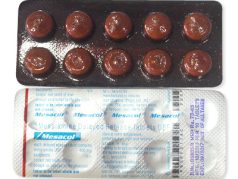


Basic Misoprostol Information
- INN (International Nonproprietary Name): Misoprostol.
- Brand Names Available In Australia: Not specified.
- ATC Code: G02AD06 (Misoprostol).
- Forms & Dosages: Tablets 200 mcg (standard) and 100 mcg (less common); combination tablets with diclofenac (e.g., Oxaprost: 200 mcg misoprostol / 50 mg diclofenac).
- Manufacturers In Australia: Not specified.
- Registration Status In Australia: Not specified; check the TGA ARTG for current listings.
- OTC / Rx Classification: Prescription-only (Rx) worldwide.
Latest Research Highlights
Clinicians and pharmacists often ask whether new evidence changes how misoprostol is used.
Recent systematic reviews and meta-analyses (2022–2024) continue to report high effectiveness for misoprostol in preventing postpartum haemorrhage where injectable oxytocin is unavailable.
The same pooled analyses reaffirm misoprostol’s role as a consistently effective component of medical abortion regimens when paired with mifepristone.
Research notes that the route of administration affects outcomes, with sublingual, vaginal and buccal routes commonly used for abortion and oral dosing commonly used in PPH prevention.
Typical dosages reported in trials include 800 mcg total for early pregnancy termination and 600–800 mcg oral single dose for postpartum haemorrhage.
Australian evidence is more limited to audits and hospital reports, while the TGA adverse‑event summaries through 2023 list expected gastrointestinal effects and rare serious events in obstetric settings.
Ongoing trials to 2025 are examining low‑dose induction protocols, community PPH kits and tablet stability in hot, humid climates—relevant for remote Australian practice.
The World Health Organization’s inclusion of misoprostol on the Model List of Essential Medicines supports its public‑health role.
| Indication | Common Route | Efficacy Notes | Serious Adverse Events |
|---|---|---|---|
| Postpartum Haemorrhage Prevention | Oral | High effectiveness where oxytocin unavailable | Rare; gastrointestinal effects noted |
| Medical Abortion (with mifepristone) | Sublingual/Vaginal/Buccal | Consistent efficacy as part of regimen | Rare; heavy bleeding or infection reported in small numbers |
| Gastric Ulcer Prevention | Oral | Effective in NSAID users | Uncommon; diarrhoea most frequent |
Clinical Effectiveness In Australia
Patients commonly want to know how well misoprostol works in local practice and where they will encounter it.
In Australian hospitals misoprostol is used in obstetrics, emergency departments and gynaecology wards, and by specialist telehealth services for medical abortion.
High‑level RCT evidence from international meta‑analyses underpins effectiveness claims, while Australian reporting is mainly from observational audits and perinatal registries.
For postpartum haemorrhage, misoprostol is recommended where injectable oxytocin is impractical, including rural, ambulance and community settings.
For medical abortion misoprostol is used after mifepristone or alone when mifepristone access is limited; telehealth pathways commonly supply clear dosing instructions.
PBS coverage varies and many abortion‑related uses are supplied via hospital stock or private prescription; check PBS listings and the TGA ARTG for registered products.
- Gastric Ulcer Prophylaxis Typical Regimen: 200 mcg two to four times daily with food and at bedtime.
| Indication | Typical Australian Setting |
|---|---|
| Postpartum Haemorrhage | Hospital obstetrics, ambulance, remote clinics |
| Medical Abortion | Specialist telehealth, hospital gynaecology, private clinics |
| Gastric Ulcer Prevention | Community prescription dispensed by pharmacies |
Indications And Expanded Uses
People ask where misoprostol is actually indicated and where it is used off‑label.
Core indications supported by global guidance and product monographs include gastric ulcer prevention with NSAID therapy, medical abortion (usually with mifepristone), miscarriage management, labour induction (often off‑label) and postpartum haemorrhage prevention or treatment.
Typical regimens from product information include 200 mcg two to four times daily for gastric protection, 800 mcg after 200 mg mifepristone for medical abortion, and 600–800 mcg orally for PPH prevention.
In Australia clinicians should confirm TGA ARTG entries for any registered uses and follow local protocols for reproductive care that may endorse off‑label approaches.
| Category | Examples |
|---|---|
| Approved / Labelled Uses | Gastric ulcer prevention with NSAIDs (200 mcg 2–4x/day) |
| Common Off‑Label Uses | Labour induction (25 mcg vaginally every 4–6 h); misoprostol‑only abortion protocols where mifepristone not available |
Legal and regulatory nuances for abortion provision vary by state and telehealth prescribing rules must be followed.
Composition And Brand Landscape
Patients and pharmacists often want to know what brands and strengths are available.
The active ingredient is misoprostol, a prostaglandin E1 analogue, with standard tablet strengths of 200 mcg and a less common 100 mcg tablet.
Well‑known international brands include Cytotec (Pfizer), Gymiso, Miserol, Misoprost, Misotab and others, with manufacturers such as Waymade, Pfizer, Cipla and Sun Pharma producing generics.
In some countries combined diclofenac+misoprostol products such as Oxaprost exist for NSAID gastric protection; these packs typically pair 200 mcg misoprostol with 50 mg diclofenac.
| Brand | Manufacturer | Typical Packaging |
|---|---|---|
| Cytotec | Pfizer | Tablets 200 mcg, 100 mcg (blisters, bottles) |
| Gymiso | Exeltis / Regional | Tablets 200 mcg (blisters, 20 or 60 per box) |
| Misoprost / Misokit | Various (India, Asia) | Tablets 200 mcg (10 or 20 per strip) |
| Oxaprost | Regional Manufacturers | Combination diclofenac + misoprostol tabs |
Procurement for obstetric and hospital use is generally institutional, while community pharmacists dispense on prescription for gastroprotection or post‑abortion prescriptions.
Contraindications And Special Precautions
Safety checks before dispensing are essential; patients often ask who should not take misoprostol.
Absolute contraindications include known hypersensitivity to misoprostol or prostaglandins and pregnancy when prescribing for gastric ulcer prevention (except when used intentionally for abortion).
Suspected ectopic pregnancy is a key contraindication to medical abortion and miscarriage protocols that use misoprostol.
Relative contraindications requiring caution include inflammatory bowel disease, chronic diarrhoea, severe cardiovascular disease, multiple prior caesareans (increasing uterine rupture risk in induction), uncontrolled asthma and severe hepatic or renal impairment.
Older adults may be more susceptible to diarrhoea‑related dehydration and remote Indigenous patients may have higher comorbidity burdens and limited emergency access, so clear counselling is needed.
- Daily‑life advice: avoid heavy machinery or driving if feeling dizzy or faint and plan hydration after doses that commonly cause diarrhoea or vomiting.
| Emergency Sign | When To Escalate |
|---|---|
| Heavy Bleeding | Seek urgent care immediately |
| Fever >38°C Or Signs Of Infection | Present to emergency or your treating clinician |
| Severe Dehydration From Vomiting/Diarrhoea | Contact your clinic or go to hospital |
Dosage Guidelines
Common questions are about the right dose, route and when to repeat misoprostol.
Gastric ulcer prevention is typically 200 mcg two to four times daily with food and at bedtime.
Medical abortion following 200 mg mifepristone commonly uses 800 mcg (four 200 mcg tablets) administered buccally, vaginally or sublingually 24–48 hours after mifepristone.
For miscarriage management protocols a common regimen is 800 mcg vaginally, with the option to repeat after three to twelve hours if needed.
Labour induction protocols often use 25 mcg vaginally every four to six hours but this is off‑label in many locations and requires specialist oversight.
Postpartum haemorrhage prevention/treatment commonly uses a single oral dose of 600–800 mcg.
| Indication | Typical Dose | Route |
|---|---|---|
| Gastric Ulcer Prevention | 200 mcg 2–4x/day | Oral with food |
| Medical Abortion (with mifepristone) | 800 mcg | Buccal/Vaginal/Sublingual after mifepristone |
| PPH Prevention | 600–800 mcg | Oral single dose |
- If bleeding is heavier than expected after a medical abortion or miscarriage, seek emergency care as protocols and timing matter.
- If a dose for ulcer prophylaxis is missed, take it as soon as remembered unless close to the next dose.
Interactions Overview
Patients commonly ask if misoprostol interacts with other medicines they take.
Classic pharmacokinetic interactions are few, but several practical interactions matter clinically.
Co‑formulation with diclofenac (Oxaprost) is intended to reduce NSAID‑related ulcers, but it can lead to additive gastrointestinal adverse effects.
Prolonged diarrhoea from misoprostol can cause electrolyte disturbances that indirectly affect drugs sensitive to electrolytes.
Alcohol and high caffeine intake may worsen nausea and GI upset, so counsel patients to moderate use after dosing.
In obstetric settings combining misoprostol with other uterotonics (oxytocin, dinoprostone, carboprost) needs close coordination to avoid uterine hypertonus or excessive bleeding.
| Interaction | Clinical Tip |
|---|---|
| Diclofenac + Misoprostol | Reduces NSAID ulcer risk but increases GI symptom chance |
| Other Uterotonics | Monitor uterine tone and bleeding closely |
| Alcohol | May exacerbate nausea and vomiting |
Cultural Perceptions And Patient Habits
Concerns about privacy, stigma and access are common among people seeking misoprostol for reproductive use.
Australian patients are generally price‑sensitive and tend to trust pharmacists, with major chains being common points of contact for medicine supply and advice.
Reproductive use carries stigma in some communities, and many patients use telehealth for privacy and convenience.
Rural and remote Australians rely more on oral misoprostol for PPH where oxytocin cold‑chain access is limited, so tablet stability and transport are practical concerns.
Indigenous patients often prefer culturally safe care and involvement of Aboriginal community‑controlled health services when discussing reproductive medicines.
Online forums and consumer reviews shape expectations about side effects and timing, and pharmacy teams frequently field questions about dosing and what to expect during an abortion or PPH event.
- Common Patient Questions: "How many tablets is 800 mcg?", "Will I need hospital care?", "Can I take this at home after a telehealth consult?"
Availability And Pricing Patterns
People want to know where to get misoprostol and how much it costs.
Misoprostol is prescription‑only in Australia and commonly supplied through hospitals for obstetric uses, with community pharmacies dispensing after private prescription.
PBS subsidy varies and many abortion‑related uses are not PBS‑subsidised, so check current PBS listings and the TGA ARTG before assuming subsidy.
Major pharmacy chains such as Chemist Warehouse, Priceline and TerryWhite Chemmart may stock common brands or source them on request, and telehealth providers often link to partner pharmacies for fulfilment.
In our online pharmacy, misoprostol is available without a prescription, with discreet delivery to Australia in 5–14 days.
Transport and storage should protect tablets from heat and moisture; store below 25°C in the original blister where possible.
| Channel | Typical Price Pattern | Notes |
|---|---|---|
| Hospital Supply | Institutional pricing (not publicly listed) | Procurement usually institutional |
| Private Pharmacy | Prices vary by brand and pack size | Check local pharmacy for stock and price |
| Telehealth Fulfilment | Variable; linked to partner pharmacies | Often delivered discreetly to home |
Remote clinics should manage stock stability with moisture protection and avoid exposure above 25°C during transport.
Comparable Medicines And Preferences
Clinicians often weigh misoprostol against alternatives for uterotonic and gastric protection roles.
Key comparators include mifepristone (used with misoprostol for medical abortion), dinoprostone (labor induction), oxytocin (gold‑standard uterotonic) and carboprost (injectable PPH treatment for refractory cases).
For gastric protection, combination diclofenac+misoprostol products provide a built‑in protective effect for patients using NSAIDs.
| Indication | Medicine | Route / Logistics | Pros / Cons |
|---|---|---|---|
| PPH | Oxytocin | IV/IM; requires cold chain | High efficacy; logistic limits in remote areas |
| PPH / Remote Use | Misoprostol | Oral; heat‑stable tablets | Easy storage and use; more GI side effects |
| Medical Abortion | Mifepristone + Misoprostol | Oral + buccal/vaginal/sublingual | High effectiveness; regulatory access varies |
| Gastric Protection | Diclofenac + Misoprostol | Oral combination | Convenient but may increase GI symptoms |
Local Australian practice usually uses oxytocin in hospital settings and misoprostol for community, remote or emergency needs because of logistics and stability advantages.
Frequently Asked Questions
Is misoprostol legal in Australia?
Yes; misoprostol is prescription‑only and its use follows TGA and state laws, with abortion protocols varying by state.
Is misoprostol on the PBS?
Some indications may be subsidised; check the current PBS listings and the TGA ARTG for registered products and subsidy status.
What are common side effects and when should I seek help?
Common side effects include diarrhoea, nausea and cramping; seek urgent care for heavy or uncontrolled bleeding, fever above 38°C, signs of sepsis, or prolonged vomiting and dehydration.
Can misoprostol be taken at home after a telehealth consult?
Many telehealth services prescribe misoprostol with clear instructions and safety nets, but ensure you have support and an emergency plan before taking it at home.
- Definitions: ARTG = Australian Register of Therapeutic Goods; PBS = Pharmaceutical Benefits Scheme; PPH = Postpartum Haemorrhage.
For local support contact state pregnancy advisory services or a sexual health clinic through Healthdirect for up‑to‑date referral information.
Guidelines For Proper Use
Pharmacists and prescribers should follow a clear checklist when counselling or dispensing misoprostol.
Confirm the indication, planned route, exact dose, repeat timing and screen for contraindications including ectopic pregnancy where relevant.
Provide a plain‑language patient leaflet that explains tablet counting (for example, 800 mcg = four 200 mcg tablets), route instructions and when to seek medical help.
Storage advice: store below 25°C in a dry place and keep tablets in the original blister to protect from moisture and heat.
For rural and remote settings, ensure contingency plans for transfer to higher‑level care if heavy bleeding or complications occur; include culturally appropriate referral pathways for Indigenous patients.
- Dispensing Checklist: indication confirmed, contraindications screened, written instructions provided, follow‑up arranged, emergency contact given.
Telehealth e‑prescriptions must comply with state regulations and pharmacists should verify prescriber identity and safe dispensing checks before supply.
Delivery Across Australia
| City | Region | Delivery Time |
|---|---|---|
| Sydney | New South Wales | 5-7 days |
| Melbourne | Victoria | 5-7 days |
| Brisbane | Queensland | 5-7 days |
| Perth | Western Australia | 5-7 days |
| Adelaide | South Australia | 5-7 days |
| Canberra | Australian Capital Territory | 5-7 days |
| Hobart | Tasmania | 5-7 days |
| Gold Coast | Queensland | 5-9 days |
| Newcastle | New South Wales | 5-9 days |
| Wollongong | New South Wales | 5-9 days |
| Geelong | Victoria | 5-9 days |
| Cairns | Queensland | 5-9 days |
| Townsville | Queensland | 5-9 days |