
Meclizine

Meclizine
- Meclizine is available in some countries over the counter for motion sickness, but in Australia it is prescription only. It may be purchased from pharmacies and other regulated suppliers depending on local rules and product availability.
- Meclizine is used to prevent and treat motion sickness and to help relieve vertigo and dizziness. It is an antihistamine that works by blocking histamine H1 receptors and reducing signals in the brain’s vomiting and balance centres.
- The usual adult dose is 25–50 mg taken about 1 hour before travel for motion sickness, with repeat dosing once every 24 hours if needed; for vertigo, 25–100 mg daily in divided doses. The maximum daily dose is generally 100 mg.
- The form of administration is usually a tablet or chewable tablet taken by mouth; sublingual or buccal forms are rare.
- Meclizine usually starts working within about 1 hour after taking it.
- The duration of action is about 24 hours, which is why it is commonly taken once daily.
- Alcohol should be avoided, as it can increase drowsiness and other central nervous system effects.
- The most common side effect is drowsiness. Other common effects include dry mouth, blurred vision, fatigue, and occasionally headache, constipation, or confusion in older adults.
- Would you like to try meclizine without a prescription?
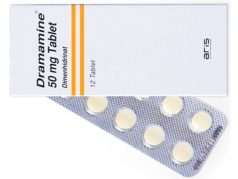
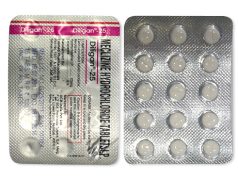

Latest Research Highlights On Meclizine Use
People often want a simple answer to a simple question: does meclizine actually help, and is it worth the drowsiness?
Recent international evidence supports its role as a practical motion sickness tablet and a short-term vertigo medication, especially when symptoms are predictable, such as a boat trip, long coach ride, or an acute vestibular flare.
The trade-off is clear enough in day-to-day pharmacy counselling: good symptom relief for many people, but sedation can be the limiting factor, particularly for drivers, shift workers, and older adults.
Compared with dimenhydrinate, promethazine, cinnarizine, and scopolamine, meclizine is often chosen when patients want vestibular symptom relief without the stronger sedation seen with some alternatives.
In Australia, the TGA status matters because access is prescription only, so most use is clinician-guided rather than over-the-counter self-selection.
That is why online pharmacy interest and telehealth-linked e-prescriptions have grown for travel preparation and urgent vertigo support.
| Study Type | Outcome | Safety Signal | Relevance To Australian Practice |
|---|---|---|---|
| Comparative use reviews | Useful for motion sickness prevention and vestibular symptom relief | Drowsiness remains the main issue | Supports pharmacist and GP-guided selection for travel and vertigo |
| International prescribing data | Often compared with dimenhydrinate, promethazine, cinnarizine, and scopolamine | Sedation burden varies across the class | Helps explain why some Australians prefer less sedating options |
| Product labelling evidence | Adult dose commonly 25–50 mg 1 hour before travel, maximum 100 mg/day | Anticholinergic effects can appear at higher exposure | Matches practical counselling for meclizine 25 mg and Antivert use |
Meclizine is approved in the US and Canada for motion sickness and vertigo, and in Australia it is sold as Antivert and is prescription only.
For some readers, the best-known searches are still Sea Legs tablets or Dramamine Less Drowsy, but the active ingredient is what really matters when comparing meclizine research, efficacy, and sedation.
Basic Meclizine Information
- INN (International Nonproprietary Name): Meclizine, also spelled Meclozine in some regions, including the UK and Japan.
- Brand names available in Australia: Antivert, usually in 25 mg tablets.
- ATC Code: R06AE05; the alternate spelling meclozine is sometimes listed as R06AD01.
- Forms & dosages: Tablets in 12.5 mg, 25 mg, and 50 mg strengths; chewable tablets in 25 mg and 50 mg strengths; sublingual or buccal 25 mg forms are rare.
- Manufacturers in Australia: Not specified.
- Registration status in Australia: TGA prescription only.
- OTC / Rx classification: Prescription medicine in Australia; OTC in the US and many other markets.
Clinical Effectiveness In Australian Practice
Australians usually want to know whether meclizine will stop the nausea, let them get through a ferry trip, or settle dizzy spells enough to keep working.
In practice, it tends to be used for short-term symptom control rather than as a long-term fix for every type of dizziness.
The standard motion sickness dose is 25–50 mg taken 1 hour before travel, with repeat dosing every 24 hours if needed.
For vertigo, the usual range is 25–100 mg daily in divided doses, which is why pharmacists and GPs often tailor advice to the person’s travel plans, work demands, and other medicines.
Onset is most useful when the dose is taken before exposure, not after the nausea is in full swing.
That timing matters for interstate flights, cruises, and regional car trips where relief is needed before symptoms peak.
When sedation is a concern, many pharmacists will talk through dimenhydrinate or promethazine as alternatives, but those options can be even more sedating in some people.
| Medicine | Sedation | Common Use |
|---|---|---|
| Meclizine | Moderate | Motion sickness prevention and short-term vertigo relief |
| Dimenhydrinate | Moderate to high | Travel nausea and motion sickness |
| Promethazine | High | More sedating nausea and vertigo management |
Because meclizine is not typically a routine PBS medicine in public consumer use, Australians often compare private price, convenience, and telehealth access before deciding.
That is where trust in pharmacists and GP prescribing still carries a lot of weight, especially for people wanting Antivert 25 mg for a holiday or meclizine for dizziness during a short vestibular episode.
Indications And Expanded Uses
- Approved use
- Motion sickness and vertigo, with FDA approval in the US and Australian prescription-only use under TGA regulation.
- Off-label use
- Clinicians may discuss it for vestibular disorders and short-term vestibular symptoms, but it is not a universal dizziness treatment.
- Not suitable for
- Every cause of dizziness, including situations where the underlying problem needs specific medical review rather than a motion sickness tablet.
That distinction matters because people often search “what is meclizine used for” when what they really have is light-headedness, dehydration, an ear infection, or another cause that needs a different approach.
In Australia, telehealth prescription can be handy for interstate travel, cruise preparation, or urgent vertigo management in rural areas where access to a doctor may be delayed.
The ingredient is meclizine, the branded medicine may be Antivert, and the prescribing decision still has to fit the patient, not just the search term.
Some countries register it nationally as meclozine, but the core clinical uses remain motion sickness and vertigo.
Composition, Forms, And Brand Landscape
Shopping by brand name is common in Australia, especially when people have seen imported products online and are trying to work out whether the ingredient matches.
Meclizine is the INN, while meclozine is the alternate spelling used in some regions such as the UK and Japan.
Australian shoppers may also run into Sea Legs-style searches, Dramamine Less Drowsy, or imported packaging that looks different even though the active ingredient is the same.
| Region | Brand Name | Common Packaging |
|---|---|---|
| Australia | Antivert | 25 mg tablets |
| United States | Antivert, Bonine, Dramamine Less Drowsy, Travel-Ease | 12.5 mg and 25 mg tablets in blisters or bottles |
| United Kingdom and Japan | Meclozine | 25 mg tablets |
| Canada | Bonamine | 25 mg tablets |
| Germany | Reisetabletten-ratiopharm | 25 mg tablets |
Form strength matters because tablets are sold in 12.5 mg, 25 mg, and 50 mg strengths, with chewable tablets also available in 25 mg and 50 mg forms.
Most Australian patients asking about meclizine tablets Australia are really asking two things at once: what is the ingredient, and which brand name should they trust.
Contraindications And Special Precautions
Safety checks matter, especially when someone is planning to take a sedating medicine before driving, working, or managing a long trip.
There are a few absolute and relative contraindications that pharmacists watch closely.
- Do not use if there is known hypersensitivity to meclizine, meclozine, or piperazine derivatives.
- Do not use in children under six because safety data are lacking in most products.
- Use caution in severe hepatic or renal impairment.
- Use caution in asthma, angle-closure glaucoma, prostatic hypertrophy, urinary retention, and in older adults.
- Use caution in pregnancy, where the US classification is Category B.
Drowsiness is the main practical issue, but dry mouth, blurred vision, fatigue, and confusion can also occur, especially in older Australians.
That is why FIFO workers, tradies, and people driving long distances in regional areas need very direct advice about meclizine side effects and driving safety before taking a dose.
A patient-centred approach is also important for Aboriginal and Torres Strait Islander patients, where access, continuity, and comorbidity burden can affect whether a sedating medicine is a good fit.
Older adults should usually start low, because sedation and anticholinergic effects are more likely at higher exposure.
Dosage Guidelines And Treatment Regimens
Getting the timing right is usually what makes the difference between “that helped” and “I still felt awful on the ferry”.
For motion sickness, the usual adult dose is 25–50 mg 1 hour before travel, then repeated every 24 hours if needed.
For vertigo, the usual adult dose is 25–100 mg daily in divided doses, with the maximum daily dose generally 100 mg.
Older adults should start lower, such as 12.5 mg, because sedation and anticholinergic effects are more likely.
Children, and anyone with liver or kidney impairment, should only use meclizine after clinician advice and label review.
| Indication | Usual Adult Dose | Maximum Daily Dose | Practical Notes |
|---|---|---|---|
| Motion sickness | 25–50 mg 1 hour before travel | 100 mg | Best taken before the trip starts |
| Vertigo | 25–100 mg daily in divided doses | 100 mg | Short-term symptom control as directed |
| Older adults | Start at 12.5 mg | Individualised | Higher sedation risk and slower recovery from drowsiness |
Australian pharmacists often tailor advice around travel dates, shift work, and polypharmacy, because a “standard dose” is not always the safest dose for the person in front of them.
Interactions With Alcohol, Medicines, And Food
The most important interaction question is usually not food, but alcohol and other sedating medicines.
Meclizine can amplify CNS depressant effects, including alcohol, which is why extra caution is needed with sleep tablets, opioid pain medicines, and other products that cause drowsiness.
It does not generally interact strongly with many medicines, but sedation can become additive very quickly.
That point matters for after-hours telehealth prescribing and online purchases, because interaction checks may be missed unless the patient reports everything they take.
| Interacting Substance | Possible Effect | What To Do |
|---|---|---|
| Alcohol | More drowsiness and slower reaction time | Avoid alcohol while taking meclizine |
| Other CNS depressants | Additive sedation | Check with a pharmacist or doctor first |
| Combination nausea medicines | More side effects if multiple sedating ingredients are used | Read labels carefully and avoid double dosing |
Food is not usually the main concern, but taking the dose exactly as directed still matters, especially if the goal is motion sickness prevention rather than rescue treatment after symptoms begin.
Cultural Perceptions And Patient Habits In Australia
Australian patients often judge travel medicines by three things: price, how quickly they work, and whether they will knock them out for the rest of the day.
That is why people search for meclizine tablets Australia, Antivert 25 mg, Sea Legs tablets, or Dramamine Less Drowsy and then ask a pharmacist to translate the brand into real-world use.
- Urban shoppers: More likely to compare pharmacy websites, online pharmacies, and telehealth options.
- Regional shoppers: Often rely on trusted pharmacists for quick advice before long drives or trips.
- Remote shoppers: May need telehealth, e-scripts, or mailed supply because local stock can be limited.
Chemist Warehouse, Priceline, and TerryWhite Chemmart are part of everyday pharmacy language, but many Australians still prefer to ask the pharmacist first for minor travel ailments.
Because meclizine is prescription only in Australia, people may also look for imported or overseas-style naming when comparing products, especially if they have seen branding from North America.
In our online pharmacy, meclizine is available without a prescription, with discreet delivery to Australia in 5-14 days, which can suit travellers who need a practical option before a flight or cruise.
Availability And Pricing Patterns
Where can you buy it, and why does one person get it the same day while another has to wait?
In Australia, the answer usually comes down to prescription pathway, local stock, and whether a pharmacy needs to order it in.
That is very different from the US, where meclizine is commonly OTC in many settings.
For Australians, telehealth e-prescriptions can be the fastest route when a GP or prescriber decides it is appropriate.
| Channel | Typical Access | Price Tendency | Notes |
|---|---|---|---|
| Local pharmacy | May need a prescription and stock ordering | Variable | City stores usually have faster access than remote pharmacies |
| Online pharmacy | Convenient with e-script or clinician review | Often competitive | Useful for travel planning and repeat supply |
| Telehealth prescription | Quick access when clinically suitable | Consult fee plus medicine cost | Often used for urgent vertigo or pre-travel planning |
| Imported supply | Depends on regulations and product status | Variable | Check the exact brand and strength, such as Antivert 25 mg |
Because it is TGA prescription only in Australia, many consumers compare private cost, convenience, and pharmacy service rather than expecting a standard PBS shelf experience.
The same product may be sold as Antivert, meclizine 25 mg, or meclozine depending on the country and the box label.
Comparable Medicines And Patient Preferences
People looking for motion sickness tablets often compare meclizine with a few familiar alternatives before choosing one that fits their day.
The right option depends on whether the main issue is sedation, convenience, or strong symptom suppression.
| Medicine | Sedation Level | Route | Common Use |
|---|---|---|---|
| Meclizine | Moderate | Oral | Motion sickness prevention and vertigo |
| Dimenhydrinate | Moderate to high | Oral | Travel sickness and nausea |
| Promethazine | High | Oral | More sedating nausea and vertigo treatment |
| Cinnarizine | Variable | Oral | Used for vertigo and motion sickness in Europe and Asia |
| Scopolamine transdermal | Variable | Patch | Motion sickness prevention |
Patients who want less drowsiness may lean towards meclizine, while others prioritise stronger symptom control before a long work trip or drive.
Searches like Dramamine Less Drowsy vs Bonine usually reflect that exact trade-off.
Frequently Asked Questions
How long before travel should I take meclizine?
The usual adult dose for motion sickness is 25–50 mg taken 1 hour before travel.
Can I drive after taking it?
Drowsiness is common, so driving is not a good idea until you know how you react.
Is it safe in pregnancy?
Caution is advised in pregnancy, so speak with a doctor or pharmacist before use.
Can I buy it over the counter in Australia?
No.
In Australia, meclizine is prescription only under TGA rules.
Proper Use And Pharmacist-Style Counselling
Most problems with meclizine happen when people take too much, take it too late, or forget that it can make them sleepy.
Use it exactly as directed, and do not double-dose if you missed a tablet.
For motion sickness, take the dose before travel rather than waiting until you already feel ill.
Store it at 20–25°C, protected from moisture and light, and keep it in the original packaging.
- Do keep track of all sedating medicines, including alcohol.
- Do ask a pharmacist before combining it with other nausea or sleep medicines.
- Do seek medical review if vertigo keeps coming back or is not settling.
- Do not take extra tablets to “catch up”.
- Do not ignore blurred vision, confusion, or severe drowsiness.
- Missed dose
- Take it when remembered unless it is close to the next dose; do not double-dose.
- Overdose
- May cause drowsiness, dry mouth, blurred vision, and, rarely, seizures; seek urgent medical help.
- When to seek help
- If symptoms persist, worsen, or if the vertigo is not the kind that meclizine usually helps with, speak to a GP or urgent care team.
That last point matters because not every dizzy spell is a meclizine problem, and persistent vertigo deserves a proper medical review.
Delivery Across Australia
| City | Region | Delivery time |
|---|---|---|
| Sydney | New South Wales | 5-7 days |
| Melbourne | Victoria | 5-7 days |
| Brisbane | Queensland | 5-7 days |
| Perth | Western Australia | 5-7 days |
| Adelaide | South Australia | 5-7 days |
| Canberra | Australian Capital Territory | 5-7 days |
| Hobart | Tasmania | 5-7 days |
| Darwin | Northern Territory | 5-7 days |
| Gold Coast | Queensland | 5-7 days |
| Newcastle | New South Wales | 5-7 days |
| Wollongong | New South Wales | 5-9 days |
| Geelong | Victoria | 5-9 days |
| Townsville | Queensland | 5-9 days |
| Launceston | Tasmania | 5-9 days |