
Aciclovir
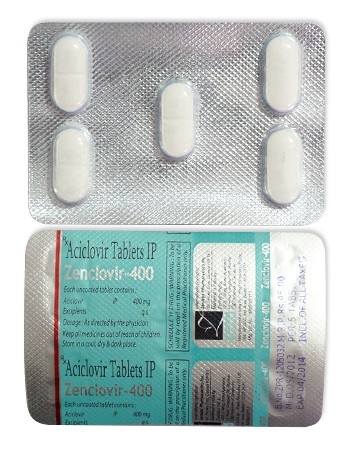
Aciclovir
- Aciclovir can be purchased from pharmacies and online medicine retailers in Australia; however, it is usually a prescription medicine. In some cases, pharmacist-only or non-prescription access may be possible for certain low-dose topical or limited packs depending on local regulations and the pharmacy.
- Aciclovir is used to treat herpes simplex infections, including cold sores and genital herpes, as well as shingles (herpes zoster) and chickenpox. It works as an antiviral nucleoside analogue that inhibits viral DNA polymerase, helping to stop the herpes virus from multiplying.
- The usual dose depends on the condition: cold sores or genital herpes are often treated with 200 mg five times daily for 5–10 days; recurrent genital herpes may use 400 mg twice daily; shingles is commonly treated with 800 mg five times daily for 7–10 days; and chickenpox is often treated with 800 mg four times daily for 5 days. Always follow the prescribed regimen.
- Aciclovir is available as tablets, oral suspension, cream, ointment, and intravenous injections. The most common forms used in the community are tablets and 5% cream.
- Aciclovir starts working soon after it is absorbed, usually within 1–2 hours, but symptom improvement may take a little longer depending on the infection and when treatment is started.
- The duration of action is several hours, which is why tablets are usually taken multiple times a day. Treatment courses are typically 5–10 days for active infections, while suppressive therapy may continue for months if needed.
- There is no strict alcohol interaction, but it is best to avoid or limit alcohol if you are unwell, dehydrated, or experiencing side effects such as dizziness or nausea.
- The most common side effects are nausea, vomiting, diarrhoea, abdominal pain, headache, dizziness, and mild skin irritation with topical use. Kidney-related effects can occur more often with dehydration or high doses.
- Would you like to try aciclovir without a prescription?

Basic Aciclovir Information
- INN (International Nonproprietary Name): Aciclovir
- Brand names available in Australia: Zovirax, Aciclovir Sandoz, Aciclovir APOTEX, APO-Aciclovir, ACICLOVIR-WGR, ARX-ACICLOVIR
- ATC Code: J05AB01
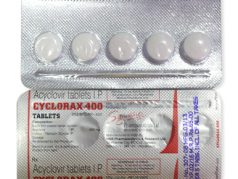
- Forms & dosages: Tablets 200 mg, 400 mg, 800 mg; cream 5% (50 mg/g); suspension 200 mg/5 mL; intravenous vials 250 mg, 500 mg, 1000 mg; ointment 5%
- Manufacturers in Australia: GlaxoSmithKline, Sandoz, Apotex, Mylan, Sun Pharma, and other approved generic suppliers
- Registration status in Australia: Prescription medicine
- OTC / Rx classification: Rx only
Latest Research Highlights In Australia And Globally
Searching for the strongest recent evidence on aciclovir usually comes down to one question: how early is early enough?
Across 2022 to 2025 reviews and guideline summaries, the answer has stayed consistent for herpes simplex, shingles and varicella: start treatment promptly and outcomes are better.
That means shorter symptom duration, less viral shedding, and better control of infection in people with weakened immunity.
In Australia, that matters because TGA-listed aciclovir remains a long-established antiviral used in both hospital and community care, with PBS access supporting uptake for common indications.
| Formulation | Typical Use | Research and Safety Takeaway |
|---|---|---|
| Oral tablets 200 mg, 400 mg, 800 mg | Cold sores, genital herpes, shingles, chickenpox | Best results when started early; reduces symptom duration and disease burden |
| Cream 5% | Cold sores and local lesions | Useful for surface symptoms, but less powerful than oral treatment |
| IV vials 250 mg, 500 mg, 1000 mg | Severe infection, hospital care, immunocompromised patients | Important for infection control when oral treatment is not enough |
Treat early: the most useful window is within the first 24 hours for varicella and as soon as possible for shingles or a herpes flare.
That timing is especially important for people with reduced kidney reserve or frailty, because renal adverse effects and neurotoxicity are the main safety signals seen in Australian practice.
Hydration remains a practical counselling point, particularly with oral high-dose regimens and IV therapy.
Recent evidence also continues to support topical aciclovir for limited surface lesions, while oral treatment remains the mainstay for faster, more reliable antiviral herpes treatment.
Clinical Effectiveness In Australia
Why do pharmacists keep seeing aciclovir scripts for the same problems?
Because in everyday Australian care, it still performs well when started early and taken properly.
That includes cold sores, genital herpes, shingles and chickenpox, especially in PBS-covered use through general practice, urgent care, sexual health clinics and hospital discharge plans.
Oral aciclovir tablets are the most practical option when symptoms are spreading, painful, or recurring.
Topical aciclovir cream has a place for small cold sore outbreaks, but it works best when the cream goes on at the first tingle rather than after blisters are established.
IV aciclovir is reserved for severe infection, eye or systemic involvement, or when swallowing is difficult.
| Route | Common Australian Use | Clinical Benefit |
|---|---|---|
| Oral | Aciclovir tablets | Best balance of convenience, effectiveness and cost |
| Topical | Aciclovir cream | Helpful for small, early lesions and local symptom relief |
| IV | Hospital-only use | Used for severe or complicated infection and immunocompromised patients |
In Australian telehealth-linked prescribing, the main advantage is speed.
Patients often order after a Friday-evening flare, receive an e-script, and collect treatment the same day or the next morning.
That suits pharmacy-first behaviour, but adherence still matters because the dosing schedule is frequent and missed doses are common.
Prescribers usually individualise regimens, especially in older adults or anyone with kidney disease, and TGA-monitored safety remains the key local consideration rather than overstating trial data.
Indications And Expanded Uses
Which viral outbreaks does aciclovir cover in Australian practice?
The short answer is the herpes viruses that most people know by name, plus specialist use in higher-risk patients.
- Herpes labialis
- Cold sore treatment, usually with cream 5% for small local outbreaks or oral tablets for frequent or severe episodes.
- Genital herpes
- Used for initial episodes, recurrences and suppression, most often with oral tablets.
- Herpes zoster
- Shingles treatment, where oral aciclovir is most effective when started early.
- Varicella
- Chickenpox treatment in selected patients, particularly when commenced within 24 hours of rash onset.
- Immunocompromised prophylaxis
- Specialist use to reduce viral reactivation risk under medical supervision.
Topical use is straightforward: cream 5% for cold sores or genital lesions, usually applied five times daily for 4 to 5 days, up to 10 days.
Ophthalmic ointment is used as a 1 cm ribbon into the affected eye five times daily until 3 days after healing.
That distinction matters because oral, topical and ophthalmic products are not interchangeable.
Australian clinicians may also use aciclovir in broader specialist protocols, but the TGA-approved indications remain the foundation.
Composition And Brand Landscape
Aciclovir and acyclovir are the same medicine, just spelled differently in different countries.
In Australia, most patients simply see the brand or generic name on the pack and ask the pharmacist whether it is the same antiviral they had last time.
That is usually a sensible question, because pack sizes and manufacturers can change while the active ingredient stays the same.
| Name | Typical Australian Pack | Common Use |
|---|---|---|
| Zovirax | Tablets, cream | Recognised branded option |
| Aciclovir Sandoz | Tablets 200 mg, 400 mg, 800 mg | Generic oral treatment |
| Aciclovir APOTEX | Tablets, cream depending on stock | Generic alternative |
| APO-Aciclovir | Tablets and suspension | Useful where paediatric dosing is needed |
The Australian market usually includes branded generics through major suppliers and chain pharmacies.
Depending on stock and PBS status, the same medicine may be dispensed through Chemist Warehouse, Priceline, TerryWhite Chemmart or an independent pharmacy.
Tablets commonly come in 200 mg, 400 mg and 800 mg strengths, while suspension 200 mg/5 mL and cream 5% remain important for children and local outbreaks.
Contraindications And Special Precautions
Who needs extra caution with aciclovir?
Anyone with kidney disease, dehydration, older age, neurological problems, or treatment with other nephrotoxic medicines should be reviewed carefully before starting.
- Absolute contraindication: hypersensitivity to aciclovir, valaciclovir or excipients.
- Use with caution: renal impairment, dehydration, neurological disorders and older adults.
- Pregnancy and breastfeeding: use with clinical advice rather than self-selection.
- Driving or work safety: dizziness or confusion can occur, particularly with reduced kidney function.
| High-Risk Group | Main Concern | Practical Action |
|---|---|---|
| Older adults | Neurotoxicity and reduced renal clearance | Monitor closely and check kidney function |
| Renal impairment | Drug accumulation | Adjust dose and frequency |
| Dehydrated patients | Crystalluria or increased creatinine | Encourage fluids unless restricted |
Common aciclovir side effects include nausea, vomiting, headache, dizziness and local skin irritation.
Renal dosing is the key safety issue because the medicine is cleared by the kidneys.
For severe renal impairment, oral dosing frequency may need to be halved, and monitoring becomes more important in older adults or anyone taking other kidney medicines.
Dosage Guidelines
How much aciclovir is used in Australia depends on the infection, age and kidney function.
Prescribers individualise dosing, but the standard regimens are familiar in both general practice and hospital discharge plans.
| Condition | Adult Oral Regimen | Paediatric Regimen |
|---|---|---|
| HSV skin and mucosa | 200 mg five times daily for 5 to 10 days | 20 mg/kg four times daily for 5 days |
| Initial genital herpes | 200 mg five times daily for 5 to 10 days | Same as above |
| Recurrence or suppression | 400 mg twice daily or 200 mg 3 to 5 times daily, up to 6 to 12 months | Specialist guidance |
| Shingles | 800 mg five times daily for 7 to 10 days | 20 mg/kg four times daily for 5 to 7 days |
| Chickenpox | 800 mg four times daily for 5 days, started within 24 hours of rash | 20 mg/kg four times daily for 5 days in children 2 to 12 years |
Children are dosed by body weight, which is why suspension 200 mg/5 mL is useful for infants and smaller children.
For severe renal impairment with creatinine clearance below 10 mL/min, oral dosing frequency is usually halved.
Starting treatment within 24 hours is especially important for varicella, and early in shingles, because benefit drops when treatment is delayed.
Interactions Overview
The biggest interaction issue with aciclovir is not food.
It is the kidneys.
Dehydration, nephrotoxic medicines and IV therapy are the practical concerns Australian patients need to know about.
- Kidney medicines: anything that may add renal toxicity deserves review before use.
- Dehydration: poor fluid intake can raise the risk of crystalluria and increased creatinine.
- IV treatment: hospital therapy needs careful monitoring, especially in older adults.
- Alcohol: no major direct interaction, but it can worsen dehydration or missed doses.
- Coffee: no major direct interaction, though water remains the better choice when unwell.
Overdose can cause agitation, confusion, lethargy and renal dysfunction.
In significant overdose, IV fluids and haemodialysis may be needed because the medicine is eliminated through the kidneys.
That is why pharmacists often ask about other medicines, fluid intake and whether the patient has been unwell with vomiting or poor oral intake.
Cultural Perceptions And Patient Habits
Why do people often reach for the pharmacist first?
Because aciclovir is a familiar antiviral in Australia, and many people want fast, practical advice for cold sores, genital herpes, shingles or varicella without a long wait for an appointment.
Price sensitivity is common, so PBS subsidy can make a real difference, especially for recurrent herpes or longer suppression courses.
| Urban Access | Rural And Remote Access |
|---|---|
| More local pharmacies, quicker scripts, easier face-to-face counselling | Fewer same-day appointments, more reliance on telehealth prescription and online ordering |
| Patients often compare brands such as Zovirax and generic aciclovir | Patients value stock availability and reliable delivery more than brand preference |
Stigma still delays care, especially with genital herpes, even though community pharmacy is a normal place to ask about treatment.
Online pharmacies are used more often now, and in our online pharmacy, aciclovir is available without a prescription, with discreet delivery to Australia in 5 to 14 days.
Even so, many people still prefer face-to-face pharmacist counselling, particularly when they are unsure about dosing or when to start treatment.
Availability And Pricing Patterns
How do Australians usually get aciclovir?
Through community pharmacy, online pharmacy ordering, or hospital supply when the infection is severe.
Prescriptions are commonly filled at Chemist Warehouse, Priceline, TerryWhite Chemmart or an independent pharmacy, depending on local stock.
| Access Path | What Affects Price | Practical Note |
|---|---|---|
| PBS script | Subsidy and eligibility | Often lowers out-of-pocket cost for recurring treatment |
| Private script | Brand choice and pack size | Costs vary more between pharmacies |
| Online ordering | Delivery fees and stock availability | Useful when local stock is limited |
Stock can vary between tablets, cream and suspension, and each formulation may have different pack sizes.
Tablets are commonly available in 200 mg, 400 mg and 800 mg strengths, while cream 5% often comes in small tubes and is widely used for cold sore medicine.
Prescription-only status applies in Australia, but telehealth e-prescriptions have made access much easier for people in cities and regional areas alike.
Comparable Medicines And Preferences
What if the patient wants fewer doses a day?
That is where aciclovir often gets compared with valaciclovir and famciclovir.
Valaciclovir is the prodrug with better oral bioavailability, so it is often chosen when convenience matters.
Famciclovir is another related antiviral with similar indications but a different regimen.
- Aciclovir: familiar, effective and often lower cost when PBS-listed.
- Valaciclovir: fewer doses, often easier to follow.
- Famciclovir: useful alternative when a different regimen is preferred.
- Penciclovir: topical option, mainly for local cold sore use.
- Docosanol: cold sore topical option in some markets, but not the main Australian equivalent.
For many Australian patients, aciclovir stays attractive because it is familiar, accessible and usually cheaper than some alternatives.
When adherence is likely to be a problem, fewer daily doses may swing the decision towards another antiviral.
When cost and PBS access matter most, aciclovir often remains the practical choice.
Frequently Asked Questions
How quickly does aciclovir work?
It works best when started early, ideally at the first signs of a cold sore or within 24 hours of a shingles or chickenpox rash.
Can aciclovir be used for cold sores?
Yes.
Aciclovir cream 5% is used for cold sores, and tablets may be used if outbreaks are frequent or severe.
What should happen if a dose is missed?
Take it as soon as remembered if it is only a few hours late.
If the next dose is nearly due, skip the missed dose.
Never double up.
When should urgent help be sought?
Seek review if there is worsening rash, eye involvement, severe confusion, reduced urine output or any sign of serious side effects.
Guidelines For Proper Use
Good aciclovir counselling usually comes down to the same few points.
- Start treatment early, especially for shingles, chickenpox and cold sores.
- Take each dose exactly as prescribed, because the schedule is frequent and easy to miss.
- Keep hydrated unless a doctor has told the patient to restrict fluids.
- Complete the full course, even if the rash or pain starts improving.
- Store tablets and cream at room temperature, usually under 25°C, away from moisture and light.
- Do not freeze the cream, and close the tube tightly after each use.
Pharmacists commonly reinforce adherence because five-times-daily dosing can be hard to keep up with during a busy day.
If an overdose occurs, or if agitation, confusion, lethargy or reduced urine output develops, urgent medical review is needed.
Severe overdose may require IV fluids and haemodialysis.
Red flags: kidney problems, confusion, worsening rash, eye symptoms, or symptoms that are not improving as expected.
Delivery Across Australia
| City | Region | Delivery time |
|---|---|---|
| Sydney | New South Wales | 5-7 days |
| Melbourne | Victoria | 5-7 days |
| Brisbane | Queensland | 5-7 days |
| Perth | Western Australia | 5-7 days |
| Adelaide | South Australia | 5-7 days |
| Canberra | Australian Capital Territory | 5-7 days |
| Hobart | Tasmania | 5-7 days |
| Darwin | Northern Territory | 5-7 days |
| Gold Coast | Queensland | 5-7 days |
| Newcastle | New South Wales | 5-7 days |
| Wollongong | New South Wales | 5-9 days |
| Geelong | Victoria | 5-9 days |
| Townsville | Queensland | 5-9 days |
| Albury | New South Wales | 5-9 days |
| Rockhampton | Queensland | 5-9 days |